Key Takeaways: 25 Tips to Conquer Alcohol Addiction
Welcome to your essential guide to maintaining sobriety. This concise list of key takeaways from our detailed article provides a quick overview of 25 strategic tips to support your recovery journey. Each point briefly summarizes a crucial aspect of recovery, giving you a snapshot of the tools and strategies discussed in greater depth below.
- Embrace the One Day at a Time Philosophy: Focus on sobriety one day at a time to manage challenges more easily.
- Work on Your Recovery Daily: Engage in daily activities that support your recovery journey.
- Join an Addiction Recovery Support Group: Gain strength and support from group settings with others who understand your struggles.
- Focus on Gains, Not Losses: Shift your perspective to appreciate the gains of sobriety over the losses.
- Confront Doubts: Acknowledge and address doubts as a regular part of recovery.
- Maximize Your Time: Fill your time with productive and fulfilling activities.
- Be Hyper-Aware of Triggers, Urges, and Cravings: Recognize and manage your triggers to maintain sobriety.
- Create a List of Relapse Early Warning Signs: Identify and monitor signs that may lead to relapse.
- Develop a Personal Support Network: Cultivate relationships that support and enhance your recovery.
- Practice Regular Self-Care: Prioritize self-care to support physical and mental health.
- Don’t Let Relapse Ruin Your Recovery: Use relapse as a learning opportunity rather than a setback.
- Reflect and Heal: The Power of Journaling: Journaling clarifies thoughts and tracks your recovery journey.
- Strengthen Your Recovery: The Benefits of Individual Counseling: Utilize professional counseling to navigate recovery more effectively.
- Enhance Recovery: Exploring Medication-Assisted Treatment Options: Consider medications to help manage cravings and support sobriety.
- Cultivate Resilience: Adopting a Growth Mindset in Recovery: Embrace challenges and failures as opportunities for growth.
- Empower Your Recovery: The Importance of Educating Yourself About Addiction: Build knowledge to empower your recovery and understand addiction.
- Navigate with Caution: Planning for Risky Situations in Sobriety: Prepare strategies to avoid and manage high-risk scenarios.
- Honor Your Progress: Celebrate Every Victory in Sobriety: Recognize and celebrate each success along your recovery path.
- Cultivate Your Circle: Building a Supportive Social Network in Sobriety: Surround yourself with positive influences and supportive relationships.
- Strengthen Your Recovery: The Role of Exercise in Sobriety: Use physical activity to improve mental health and manage stress.
- Maintain Your Ground: The Importance of Setting Boundaries in Sobriety: Set and enforce boundaries to protect your recovery.
- Center Your Sobriety: The Benefits of Mindfulness and Meditation: Integrate mindfulness and meditation to enhance self-awareness and emotional regulation.
- Stay Vigilant: The Importance of Regular Reflection and Adjustment in Recovery: Regularly reflect on your progress and challenges to adapt your recovery strategies.
- Sustain Your Resolve: Reinforcing Your Commitment to Recovery: Continuously renew your commitment to recovery and sobriety.
- Assemble Your Arsenal: Building Your Recovery Toolkit: Develop a personal set of recovery tools, including resources like the Life Beyond the Bottle – The Addiction Recovery Workbook.
These key takeaways are your gateway to a deeper understanding and practical application of recovery strategies. As you move forward into the article, you’ll find detailed discussions on each point, providing you with comprehensive guidance to survive and thrive in your journey to sobriety. Let’s dive deeper into each tip and explore how to strengthen your path to a fulfilling, sober life.
Introduction
Hello, I’m Wayne Ergle. My battle with alcohol spanned over two decades, peaking at two bottles of vodka a day before I claimed victory over addiction in June 2018. Now, I have dedicated my life to helping others find their path to sobriety. Overcoming alcohol addiction is not just about putting down the bottle; it’s a profound journey of self-discovery and resilience.

You’re embarking on a transformative path, and whether you’re freshly sober or already advancing in your recovery, maintaining your sobriety will demand continuous effort and smart strategies. That’s why I’ve compiled these 23 essential tips. They’re designed not just to keep you sober but to ensure you thrive in your new life beyond addiction. These insights will guide you through the challenges, help you celebrate your victories, and aid you in building a fulfilling, alcohol-free life you cherish.
From taking life one day at a time to assembling a robust recovery toolkit, each piece of advice is based on proven strategies that have helped many, including myself. So, let’s start this journey together and explore how you can stay sober and excel in every aspect of your new life.
1. Embrace the One Day at a Time Philosophy

Imagine waking up each morning and deciding that today, and only today, you will stay sober. It’s about giving yourself permission not to worry about forever but to focus on the now. This one-day-at-a-time philosophy simplifies your sobriety journey into manageable, achievable goals.
- Daily Commitment: Each morning, renew your commitment to stay sober for just that day. This approach prevents the overwhelm of long-term expectations.
- Accumulate Success: Like coins in a jar, every sober day adds up. You build a treasure of sober days that, over time, forge a resilient, sober life.
- Start Small, Think Big: Remember, every monumental journey begins with a single step. Today’s commitment is your step towards a bigger goal.
By embracing the one-day-at-a-time philosophy, you transform the daunting challenge of lifelong sobriety into a series of single, manageable days. This strategy isn’t just about coping—it’s about thriving in your sobriety, each day acting as a stepping stone to the next. Decide to try, just for today, and let these days stack up into weeks, months, and years of success.
2. Work on Your Recovery Daily
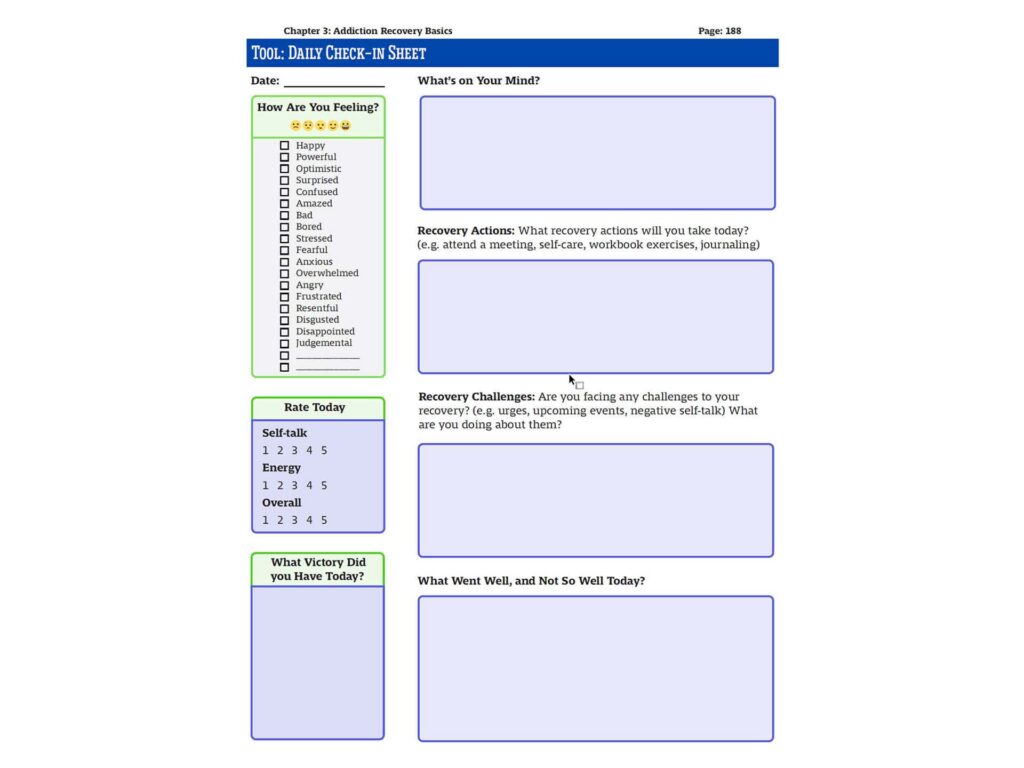
I believe engaging in some form of recovery work is critically important every day. This might sound daunting—who has the time, right? However, daily recovery isn’t limited to attending meetings, though they are a great default. Anything done in the name of recovery counts, whether self-care, exercise, or even taking a class.
- Variety in Recovery: Expand your notion of recovery activities. Yoga, reading recovery literature, or spending time on a hobby can all be part of your healing process.
- Integrate Recovery into Daily Life: Find ways to incorporate recovery actions into your daily routine. This might be meditation in the morning, a workout at lunch, or journaling before bed.
- Every Little Helps: Remember, no action towards recovery is too small. Regularly engaging in recovery activities, no matter how minor they seem, builds resilience and reinforces your commitment to sobriety.
Daily addiction recovery work helps you maintain focus on your sobriety goals and keeps the foundation of your recovery strong. It’s about making recovery a natural part of your life. Over time, these activities become a habit and a critical component of your day that you look forward to. This approach ensures that your commitment to sobriety is renewed daily, providing a steady path to long-term recovery.
3. Join an Addiction Recovery Support Group

Human beings are inherently social; we thrive on connection. When you’re working to stay sober, joining a support group can serve as the anchor that keeps you grounded. It’s a powerful reminder that you’re not alone on this journey. Whether it’s AA, SMART Recovery, or another group, these communities provide a vital space for mutual support.
- Shared Experiences: In these groups, you regularly hear and share stories that likely mirror your own. This shared journey helps diminish feelings of isolation and reinforces a collective pursuit of sobriety.
- Learn from Peers: Support groups offer a unique opportunity to learn from the experiences of others either at the same stage or further in their recovery. This can be invaluable as you navigate your path.
- Guidance and Support: One of the most critical aspects of support groups is the access to mentors who have been where you are. Their insights and advice can provide guidance and encouragement that is hard to find elsewhere.
Joining a support group connects you to a community of individuals who understand the challenges of recovery. It’s not just about attending meetings; it’s about building a network of support that carries you through moments of doubt and celebrates your successes. This connection is often the key to sustained sobriety, providing a safety net and a source of constant motivation.
4. Focus on Gains, Not Losses: The Positive Shift in Recovery

When choosing sobriety, it can often feel like you’re giving up a lot—like saying goodbye to an old friend or losing your escape hatch. But it’s important to recognize that alcohol, while seemingly offering temporary solace, is not a true solution. Instead, focusing on the gains rather than the losses can significantly shift your perspective and enhance your recovery experience.
- Discover True Freedom: Sobriety brings the true freedom of not being tied down by the need for alcohol. You gain control over your choices and actions, leading to a more authentic life.
- Improved Health and Vitality: Without alcohol, your body begins to heal. You’ll notice improvements in physical health, mental clarity, and overall energy, allowing you to enjoy life more fully.
- Enhanced Relationships: Sobriety allows you to build deeper and more meaningful relationships. Being present and reliable improves trust and connection with loved ones.
- New Hobbies and Interests: Recovery opens the door to new activities and passions. With a clear mind and more time, you can explore interests previously overshadowed by drinking.
Embracing sobriety is not about what you lose but what you gain: health, freedom, relationships, and new passions. These gains contribute to a richer, more satisfying life in recovery, proving that your achievement is far greater than anything left behind.
5. Accept and Address Doubts
The journey to sobriety is bound to encounter turbulence, and doubt is often part of that. It’s completely natural to question the value of your efforts and the sacrifices you’re making. However, rather than suppressing these doubts or letting them grow, confronting them directly is essential for continued progress.
- Embrace Vulnerability: Recognize that having moments of doubt is perfectly normal. Accepting these feelings as part of your journey allows you to address them without judgment.
- Uncover the Roots: Reflect on what might be causing your doubts. Is it stress from a recent event or perhaps unresolved emotions? Identifying the source can help you find the appropriate response.
- Seek Support: You don’t have to face your doubts alone. Turn to your support network or professional for perspectives to help you navigate these challenging moments.
- Positive Reinforcement: Remind yourself of the reasons you chose sobriety and the benefits you’ve already experienced. This can reinforce your resolve and help quell doubts.
Understanding and addressing doubts as they arise ensures they don’t derail your recovery efforts. By actively managing these feelings, you maintain control over your sobriety and continue building a healthier, happier life.
6. Maximize Your Time: Engage in Productive Activities
Idle time can be one of the biggest challenges in maintaining sobriety. Finding yourself at a loose end is easy, which can open the door to temptation. Actively filling your time with productive, fulfilling activities isn’t just about keeping busy—it’s about enhancing the quality of your sober life.
- Explore New Hobbies: Consider hobbies that you might not have had time for in the past. Whether playing a musical instrument, painting, or gardening, engaging in new activities can bring joy and a sense of accomplishment.
- Join Community Groups: Activities like joining a book club or a local sports team fill your time and connect you with like-minded individuals who can provide additional support and camaraderie.
- Set Goals: Create small, achievable goals related to your new activities. This gives you something to strive for and can help maintain your motivation.
- Learn and Grow: Use your time to learn something new. Online courses, workshops, or self-study can be incredibly rewarding and lead to new opportunities in your personal and professional life.
By filling your time with productive activities, you keep idle thoughts at bay and build a richer, more engaging life. This approach helps solidify your sobriety by integrating enjoyable and rewarding activities into your everyday routine.
7. Be Hyper Aware of Triggers, Urges, and Cravings

In recovery, being vigilant about triggers, urges, and cravings is crucial. These are not just minor hurdles but significant challenges that can sway you toward old habits. Recognizing and actively managing them is essential for maintaining your sobriety.
- Identify Your Triggers: Understand what sets off your cravings. It could be a location, a specific social setting, certain people, dates, events, or even particular emotions. Awareness allows you to prepare and avoid knee-jerk reactions.
- Anticipate and Plan: Once you know your triggers, make plans to handle them. If a particular friend’s party usually involves alcohol, plan either to skip it or bring a sober friend along for support.
- Develop Coping Strategies: Have a set of ready strategies for handling urges and cravings. These could include calling a friend, engaging in a distracting hobby, or practicing mindfulness and deep breathing exercises.
- Remember, They Are Temporary: Urges and cravings can feel overwhelming, but reminding yourself that they are temporary and will pass can help you manage them more effectively.
Staying hyper-aware of what triggers you and how you react to those triggers can give you the upper hand in maintaining your recovery. It’s about knowing yourself, preparing accordingly, and having the tools ready to deal with these challenges as they arise.
8. Create a List of Relapse Early Warning Signs

Relapse in addiction recovery doesn’t usually strike out of the blue; it’s typically a gradual process influenced by a series of subtle but dangerous signals. Recognizing these early warning signs is your first line of defense in maintaining sobriety. By being proactive, you’re setting yourself up to navigate potential pitfalls successfully.
- Personalize Your Warning Signs: Reflect on your unique experiences in recovery. What situations, emotions, or behaviors have previously edged you closer to relapse? This could be anything from a shift in mood, pulling away from your support network, neglecting self-care, or reconnecting with harmful friendships.
- Include Behavioral Cues: Be alert to complacency, such as the misleading sense of security that might lead you to skip therapy sessions or support group meetings, thinking you no longer need them.
- Document and Share: Compile these insights into a comprehensive list. Discuss this list with your therapist, counselor, or support group to gain further insights and develop robust strategies for addressing each sign.
- Keep It Accessible and Current: Store this list in an easily accessible place, like a note on your phone or a card in your wallet, and make it a habit to review and update it regularly. As you evolve in your recovery, your warning signs may change, and new ones may emerge.
By maintaining an updated list of relapse early warning signs, you empower yourself with knowledge and preparedness. This ongoing awareness helps you stay vigilant and responsive to any shifts that might jeopardize your sobriety, ensuring you are always a step ahead in your recovery journey.
9. Develop a Personal Support Network

Recovery is not a journey to be walked alone; it thrives on support from friends, family, and those who have walked similar paths. This network of understanding and empathetic individuals can be your cornerstone, providing hope and strength as you navigate the path to staying sober. Building a robust personal support network turns a daunting task into a shared, enriching experience.
- Communicate Openly: Start by sharing your commitment to sobriety with those close to you. Help them understand your triggers, boundaries, and motivations. The more they know, the better they can support you.
- Foster Reciprocal Relationships: Recovery is a two-way street. Engage with your support network by sharing your experiences and listening to theirs. This mutual exchange builds trust and ensures they’re there when you need them most.
- Expand Your Circle: Participate in community groups or activities that align with your interests, such as art classes or hiking clubs. These settings are ideal for meeting people who share your passions and can provide support through common interests.
- Diversify Your Network: While connections from rehab or support groups are invaluable, having friends outside of these circles is also important. They can offer new perspectives and help you integrate your sobriety into all aspects of life.
A well-nurtured support network offers emotional strength and practical help and enriches your recovery journey, making it more sustainable and joyful. The time and effort invested in these relationships pay off immensely, providing a foundation of support that celebrates every step of your progress in sobriety.
10. Practice Regular Self-Care

To stay sober, it’s crucial not to overlook one key player: yourself. Self-care is more than a trendy concept—it is a cornerstone of sustainable recovery. It involves tuning into your mental and emotional needs and responding to them appropriately. By nurturing yourself, you lay down a foundation that supports your sobriety.
Self-care looks different for everyone. It might be losing yourself in a good book, relaxing in a hot bath after a long day, or taking a quiet walk in nature. The important thing is to identify what rejuvenates you and make it a consistent part of your life.
Here are some essential self-care strategies:
- Mindful Meditation: Spend a few minutes daily to center your thoughts. This can help reduce stress, clear your mind, and connect you with the present moment.
- Physical Activity: Engaging in physical activities, whether a light jog, a yoga session, or an intense workout, helps release endorphins—your body’s natural mood elevators.
- Healthy Eating: What you eat affects how you feel. Nourishing your body with healthy foods ensures it functions at its best and supports your mental and emotional well-being.
- Engage in Hobbies: Rediscover old passions or explore new ones. Activities you love can serve as a creative outlet and boost your happiness.
- Rest: Prioritize good sleep and allow yourself short naps when needed. Adequate rest is vital for your physical health and mental clarity.
- Seek Professional Help: If you feel overwhelmed, seek help from a therapist or counselor. They can provide personalized tools and strategies for managing your challenges effectively.
Prioritizing self-care is not selfish; it is essential. By taking care of your well-being, you build resilience against relapse and enhance the quality of your life during sobriety.
11. Don’t Let Relapse Ruin Your Recovery
While not inevitable, relapse is a common occurrence in the journey of recovery. It’s crucial to understand that a relapse doesn’t signify total failure; instead, it can be a vital learning opportunity.
- View Relapse as a Step: Instead of seeing a relapse as a collapse back to square one, consider it a misstep in the overall recovery journey. This perspective can prevent you from falling back into old, destructive habits.
- Analyze What Happened: Take the time to carefully analyze the events and choices that led to the relapse. Understanding these triggers and responses is critical to preventing future occurrences.
- Adjust Your Recovery Plan: Use the insights gained from analyzing your relapse to make informed adjustments to your recovery strategy. This might involve strengthening your support network, revisiting coping strategies, or identifying new triggers.
- Recommit to Your Journey: A relapse is an opportunity to reaffirm your commitment to sobriety. Each challenge faced along the way can deepen your resolve and enhance your strategies for staying sober.
Remember, recovery is a process fraught with challenges and setbacks, but each step, whether forward or backward, provides valuable lessons. Embracing relapse as a part of the learning curve can help you fortify your commitment and refine your approach to maintaining sobriety.
12. Reflect and Heal: The Power of Journaling

Journaling in addiction recovery is a therapeutic practice that involves transferring thoughts from mind to paper. It can play a pivotal role in the recovery process. There is something inherently healing about expressing oneself through written words.
- Clarify Thoughts and Feelings: Writing down what you think and feel can help clarify your emotions and thoughts, making them easier to understand and manage.
- Track Progress and Setbacks: Keeping a journal allows you to document your journey and track progress and setbacks. This can provide valuable insights into patterns and triggers, and it’s encouraging to see how far you’ve come.
- Reduce Stress: Writing can be a great stress reliever. It lets you express your frustrations and anxieties in a safe, private space.
- Enhance Self-Reflection: Regular journaling encourages deep self-reflection, helping you to analyze your actions and decisions and consider how they align with your recovery goals.
- Boost Mental Clarity: Getting thoughts out of your head and onto paper can clear your mind, reduce overwhelm, and help you focus on your recovery.
Incorporating journaling into your daily routine can significantly enhance your emotional and psychological well-being, aid recovery, and provide a private venue for personal expression and self-discovery.
13. Strengthen Your Recovery: The Benefits of Individual Counseling
Sustaining sobriety often requires more than personal resolve; external guidance can be a crucial component of a successful recovery strategy. Individual counseling provides a supportive environment tailored to your unique journey and offers numerous benefits.
- Personalized Guidance: Counseling offers a safe space for introspection and personal growth, with strategies and solutions specifically tailored to your needs and challenges.
- Skill Building: Work with a counselor to develop skills for managing stressors, controlling cravings, and confidently navigating social situations.
- Structured Accountability: Regular sessions with a counselor create a framework of accountability that can motivate you to stay committed to your recovery goals.
- Emotional Support: Counselors provide emotional support, helping you work through feelings and situations that might otherwise compromise your sobriety.
Engaging in individual counseling is a proactive step toward strengthening your recovery. It provides the tools and support necessary to maintain sobriety in the face of life’s challenges.
14. Enhance Recovery: Exploring Medication-Assisted Treatment Options
Medication-assisted treatment (MAT) can be a valuable component of a comprehensive recovery plan, particularly when combined with other therapeutic approaches. These medications can significantly reduce cravings for alcohol and address co-occurring issues such as depression and anxiety, which often contribute to substance use.
- Craving Reduction: Medications like Naltrexone are specifically designed to reduce the craving for alcohol, helping you maintain sobriety.
- Mental Health Support: Certain medications can also treat underlying mental health conditions like depression and anxiety, which may decrease the desire to drink.
- Comprehensive Strategy: When paired with counseling, support groups, and lifestyle changes, MAT can provide a robust approach to sustaining recovery.
- Supervised Use: It is crucial to use these medications under the supervision of a healthcare professional to ensure safety and effectiveness.
Incorporating medication-assisted treatment as part of your recovery journey offers a supportive tool that, when used responsibly and under medical guidance, can enhance your ability to stay sober and improve your overall well-being.
15. Cultivate Resilience: Adopting a Growth Mindset in Recovery

The growth mindset concept, popularized by psychologist Carol Dweck, emphasizes that our abilities and intelligence can be developed through effort, learning, and persistence. This perspective is compelling in the context of addiction recovery, where overcoming a fixed mindset—”I’m just an addict” or “I can’t change”—is crucial.
Here’s how embracing a growth mindset can significantly support and reinforce your sobriety:
- Recognize the Potential for Change: Acknowledge that change is possible and within your reach. Every day presents a new opportunity to learn, grow, and better yourself.
- Embrace Challenges and Failures: View challenges and setbacks not as obstacles but as essential parts of your growth. A relapse or tough day doesn’t define your worth; it provides lessons to build upon.
- Stay Curious: Maintain an open and inquisitive approach to recovery. Continuously seek new information, ask questions, and explore different recovery strategies and support structures. This keeps you actively engaged and evolving.
- Value the Journey: Focus on appreciating the recovery process, not just the outcome. The experiences and lessons learned along the way are valuable parts of your transformation.
- Seek Feedback: Build and maintain a support network that provides honest and constructive feedback. This can help you see where you might improve and clarify your path forward.
- Celebrate Growth: Take time to recognize and celebrate every small victory and sign of personal growth. Whether it’s handling a trigger differently or seeking help during a craving, every step forward is a success.
Adopting a growth mindset doesn’t minimize the challenges of recovery. Instead, it transforms your perspective, allowing you to view every difficulty as an opportunity to grow. This mindset encourages a richer, more proactive approach to staying sober and thriving in all areas of your life.
16. Educate Yourself About Addiction

Knowledge is indeed a powerful ally, especially when overcoming addiction. By educating yourself about the nature of addiction and the diverse treatment options available, you equip yourself with vital tools to navigate and sustain recovery. Understanding addiction profoundly can transform your approach and significantly bolster your efforts to stay sober.
- Understanding the Science: Learning about how addiction affects the brain and body helps demystify the condition. It reveals that addiction is not a moral failing but a complex condition influenced by biological, environmental, and personal factors.
- Identifying Reliable Sources: Knowing where to find accurate, evidence-based information is crucial in a world of misinformation. Trustworthy resources like those from SAMHSA (Substance Abuse and Mental Health Services Administration) provide reliable guidance.
- Strengthening Resolve: Armed with knowledge, you can better understand your challenges, such as potential relapse triggers and effective coping strategies, which are essential for maintaining sobriety.
- Exploring Treatment Options: Understanding the full spectrum of available treatments, from outpatient support to family therapy and medication-assisted treatments, allows for more tailored and effective choices in your recovery journey.
- Empowering Conversations: When equipped with accurate information, you can confidently address questions from others, share insights, and advocate for awareness and understanding, thus challenging and correcting misconceptions.
- Reinforcing the Commitment: Continually learning about addiction, its impacts, and recovery success stories can reaffirm your reasons for choosing sobriety, reinforcing your commitment every day.
The more informed you are, the better prepared you’ll be to face recovery challenges. While you don’t need to become an expert, being well-informed empowers your journey and strengthens your resolve to maintain a sober life.
17. Navigate with Caution: Planning for Risky Situations in Sobriety

Proactive thinking is often the linchpin in maintaining sobriety. By preparing in advance to extricate yourself from potentially triggering situations, you significantly enhance your ability to stay sober. Here’s how you can effectively plan for and navigate such scenarios:
- Recognize Your Triggers: Understand that triggers can vary widely. Whether it’s a social setting where alcohol is prevalent, certain places, or specific people, it’s essential to reflect on your experiences and identify what tempts you. Develop strategies to steer clear of these triggers.
- It’s Okay to Say ‘No’: Prioritize your recovery by feeling empowered to decline invitations to events that pose a risk to your sobriety. True friends and supportive family will respect your decision to avoid these situations.
- Have an Exit Strategy: Always have a backup plan for exiting situations that might unexpectedly expose you to triggers. This could involve having a trustworthy friend who knows your triggers and can help you leave or a prepared reason for an early departure.
- Communicate with Loved Ones: Keep your support network informed about your feelings and the challenges you anticipate facing. Having a confidant at a social event can provide additional support and reassurance.
- Carry Non-Alcoholic Alternatives: Keeping a non-alcoholic drink in hand can deflect attention and unwanted offers of alcohol, providing a simple but effective buffer in social settings.
While avoiding every risky situation is easier said than done, it is crucial to recognize that this is part of a continuous learning process. Over time, and with strengthened sobriety, managing these situations will become more straightforward. This proactive approach is critical to navigating your recovery journey successfully.
18. Honor Your Progress: Celebrate Every Victory in Sobriety

Each milestone is a significant achievement on the journey to sobriety, no matter how small. While preparing for the challenges is crucial, celebrating your victories is equally important. Here’s why acknowledging every win is vital and how you can make sure to honor each one:
- Reinforcing Positive Behavior: Every time you celebrate a victory, you reinforce the positive behaviors that got you there. This strengthens your commitment to sobriety and encourages continued progress on your journey.
- Boosting Self-Esteem: Sobriety can be daunting, and doubts may arise. Celebrating your successes helps to remind you of your capabilities, boosts your self-esteem, and reaffirms your reasons for choosing a sober life.
- Creating a Positive Feedback Loop: Acknowledging and celebrating your successes fosters a positive feedback loop. The joy and pride from these celebrations motivate continued efforts and make the journey smoother.
- Building Resilience: By focusing on the positive and celebrating what you’ve achieved, you better equip yourself to handle future challenges. Positive memories and achievements can serve as a reservoir of strength in tough times.
- Ways to Celebrate: Celebrations don’t have to be grand. They can be as simple as treating yourself to a favorite meal, buying a new book, taking a day off for self-care, or sharing your progress with a friend or in your journal.
- Stay Connected with Your Support Network: Share your milestones with those who support you. They can help you recognize and celebrate victories you might overlook and will often be your most enthusiastic cheerleaders.
Every day of sobriety, each challenge overcome, and every healthy choice you make is a victory. Embrace these moments wholeheartedly and celebrate them. They are the foundational blocks of your new, sober life, each one a step towards lasting change.
19. Build a New, Supportive Social Circle
In recovery, the saying that you are the average of the five people you spend the most time with holds true. The influence of your social circle can be profound, impacting your mindset, decisions, and overall well-being. Here’s why it’s crucial to build a supportive social circle and some strategies to ensure it aids your sobriety:
- Distance from Negative Influences: It’s vital to step back from relationships with people who might trigger your addiction or who don’t support your recovery. Prioritize your well-being by minimizing contact with such individuals.
- Seek Out Supportive Relationships: Surround yourself with people who understand your journey and are actively supportive. This may include members of support groups, participants in sober social clubs, or new friends who lead substance-free lifestyles.
- Rekindle Old Friendships: Addiction can strain relationships with family and friends who might have been supportive before. Reaching out to repair and rebuild these relationships can provide a strong support network.
- Engage in New Activities: Participate in community activities, clubs, or volunteering opportunities. Such engagements can introduce you to people who share similar interests and values, helping to establish connections based on more than just past substance use.
- Consult with Professionals: Maintain regular contact with counselors or therapists who can help you develop and sustain healthy relationships and discern which connections are genuinely beneficial.
- Value Quality Over Quantity: Focus on the quality of your relationships rather than the number. A smaller, more genuine social circle can offer stronger support and positively contribute to your recovery journey.
Actively shaping a supportive social environment is critical to creating a fulfilling life where sobriety is sustained. By carefully choosing those you surround yourself with, you significantly enhance your ability to stay sober and enrich your life.
20. Strengthen Your Recovery: The Role of Exercise in Sobriety

A healthy body fosters a healthy mind, a principle especially true in the journey to sobriety. Physical well-being and mental resilience are not just parallel benefits of exercise; they amplify each other, making physical activity a formidable ally in maintaining sobriety.
Here’s how a regular exercise routine can bolster your path to staying sober:
- Release of Endorphins: Engaging in activities like walking, running, or yoga causes your body to release endorphins, natural mood enhancers that combat feelings of depression and anxiety often encountered during recovery.
- Natural Stress Reliever: Exercise is an effective way to alleviate stress, a common trigger for relapse. Channeling tension into physical activity helps manage stress and builds resilience against future challenges.
- Restorative Sleep: Consistent exercise improves sleep quality, vital for mental clarity and emotional stability. Better sleep equips you to face new challenges with a refreshed mind and body.
- Rebuilding Self-Esteem: Achieving fitness goals provides a sense of accomplishment, which can significantly boost self-esteem that might have been compromised during periods of addiction.
- Structure and Routine: Incorporating regular exercise into your daily schedule adds structure and minimizes idle time that could lead to relapse, offering a constructive distraction.
- Social Interaction: Participating in group sports, dance classes, or walking groups opens up opportunities for social interactions, helping you to forge a new, supportive network.
While the benefits of exercise are clear, it’s important to approach your fitness journey with balance. Avoid overexertion and choose activities you enjoy, making exercise a rewarding part of your routine rather than a chore. By prioritizing physical activity, you’re enhancing your physical health and reinforcing your mental fortitude, equipping yourself with an essential tool for sustained sobriety.
21. Maintain Your Ground: The Importance of Setting Boundaries in Sobriety
Setting clear boundaries is a critical strategy for maintaining sobriety. By clearly defining your limits with certain people and places, you significantly bolster your ability to continue your recovery path successfully. Here’s why establishing and enforcing boundaries is essential:
- Triggers and Associations: Identify locations and individuals linked to past substance use. These can trigger intense cravings or emotional reactions that jeopardize your sobriety. Recognizing and avoiding these triggers is critical.
- The Role of Assertiveness: Setting boundaries doesn’t mean isolating yourself; it means being assertive about your needs. For instance, if offered a drink at a social event, it’s important to decline confidently.
- Staying Away from Temptation: While building resilience is essential, avoiding situations where temptation is overwhelming is also wise. If a particular social setting poses a significant risk to your sobriety, it might be best to avoid it.
- Re-evaluating Relationships: If certain relationships do not support your recovery efforts, re-evaluating or ending them may be necessary. Surrounding yourself with positive and supportive individuals can significantly enhance your ability to stay sober.
- Seek Support When Challenged: When enforcing boundaries becomes difficult, lean on your support network for help. Whether it’s a friend, sponsor, or counselor, getting support can reinforce your resolve and provide necessary encouragement.
- Remember That Recovery is Personal: Everyone’s triggers and boundaries differ. Trust your instincts and prioritize your well-being over social expectations or pressures.
- Insurance Against Relapse: Firmly established boundaries reduce the risk of relapse by minimizing exposure to high-risk scenarios. This proactive measure is an integral part of maintaining sobriety.
Boundaries act as protective barriers that shield you from the influences that can derail your recovery. By setting and diligently maintaining them, you ensure your journey toward recovery is marked by consistent growth and empowerment.
22. Center Your Sobriety: The Benefits of Mindfulness and Meditation
Mindfulness and meditation are powerful tools in the sobriety toolkit, fostering a profound self-awareness and present-moment attention. Integrating these practices into your daily routine can dramatically enhance your ability to maintain sobriety. Here’s how mindfulness and meditation can transform your recovery experience:
- Understanding the Self: Mindfulness increases your sensitivity to internal states—thoughts, emotions, and bodily sensations. This heightened awareness helps you recognize cravings, triggers, and emotional states that might lead to relapse, allowing you to address them proactively.
- Grounding in the Present: Mindfulness teaches you to live in the present moment, which can be incredibly valuable for those in recovery. It helps divert attention from past regrets and future worries, which are common triggers for substance use.
- Reducing Stress: Meditation practices like guided imagery or progressive muscle relaxation can significantly lower stress levels. By managing stress effectively, you decrease the likelihood of using substances as a stress response.
- Enhancing Emotional Regulation: Regular mindfulness practice improves control over your emotional responses. This can reduce the impulse to use substances as a way to cope with uncomfortable feelings.
- Incorporation in Recovery Programs: Recognizing the connection between mind and body, many recovery programs now include mindfulness and meditation as core components of treatment, helping individuals navigate the complexities of addiction recovery.
- Getting Started: Start small if you’re new to these practices. Engage in short, guided meditations through online platforms or apps. Over time, as your comfort with the practice grows, you can explore more profound sessions or join local groups for communal support.
As you continue on your path to long-term sobriety, incorporating mindfulness and meditation can provide a stable foundation. These practices offer a reliable refuge in challenging times, guiding you through moments of uncertainty and reinforcing your commitment to a sober life.
23. Stay Vigilant: The Importance of Regular Reflection and Adjustment in Recovery
Regular reflection and self-awareness are cornerstones of effective recovery management, providing insight into your emotions, challenges, and overall progress. Introspection helps you celebrate successes and recognize and address difficulties before they escalate. Here’s why continual self-examination is crucial for maintaining sobriety:
- Understanding Personal Progress: Reflect on your journey from the start of your recovery to the present to appreciate the full scope of your progress. Celebrating small victories and recognizing ongoing challenges can motivate and guide your path forward.
- Identifying Warning Signs of Relapse: Early recognition of relapse triggers—such as changes in mood, increased stress, or nostalgic thoughts about past substance use—is vital. The sooner you identify these signs, the more effectively you can address them.
- Embracing Vulnerability: It’s okay to acknowledge when things are tough. If you find yourself struggling or nearing a potential relapse, admitting this and seeking help is a sign of strength, not weakness.
- Using Your Support Network: Leverage your support system, whether a counselor, support group or a trusted friend. Discussing your thoughts and concerns can provide clarity and reinforce your recovery efforts.
- Considering Further Treatment: If introspection reveals significant challenges, it may be necessary to explore additional treatment options. This could mean revisiting a rehab facility for a refresher, seeking outpatient support, or even engaging in family therapy.
- Remember That Recovery is Lifelong: Sobriety isn’t a final destination but an ongoing process. Regular reflection and proactive adjustments help ensure you are always prepared for the road ahead.
Incorporating regular reflection into your recovery routine is not just about keeping track of your progress—it’s about actively participating in your journey toward long-term sobriety. This ongoing vigilance and willingness to adapt as needed are key to building and sustaining a successful, sober life.
24. Reinforce Your Commitment to Recovery Regularly
The journey to recovery is indeed a marathon, not a sprint, requiring a continuous and steadfast commitment. It’s crucial to reinforce your dedication to staying sober over the long haul, not just during initial treatment or the early stages of sobriety. Here’s why your ongoing commitment is vital:
- Embracing the Journey: Sobriety is marked by both triumphs and trials. Maintaining a solid commitment is essential as it is the foundation of your long-term success. Remembering why you started can motivate you to continue even on tough days.
- Avoiding Complacency: After some time, it’s easy to feel secure in your sobriety. However, complacency can lead to lowered guard and potential relapse. Regular engagement with your support network, meeting attendance, and self-reflection are crucial to staying grounded.
- Commitment Means Continuous Learning: Staying committed involves constantly educating yourself about addiction and recovery, exploring new sobriety maintenance techniques, and evolving your coping strategies.
- Facing Challenges Head-On: Life will inevitably present challenges; your resolve to recover equips you to tackle this head-on, utilizing your accumulated skills and knowledge.
- The Power of Accountability: Holding yourself accountable is a powerful element of commitment. Regular check-ins with a sponsor or therapist, keeping a journal, and setting and reviewing goals can all reinforce your dedication.
- Seeking Support When Needed: There may be times when you need additional support. Whether it’s counseling, attending refresher courses in rehab, or reconnecting with your support groups, actively seeking help is a proactive part of maintaining your commitment.
Recovery is an ongoing process that demands resilience, strength, and an unwavering dedication to betterment. It’s about choosing your health and well-being every day, and every step forward reaffirms your commitment to a life free from addiction. As you navigate the complexities of this journey, remember that each day is a new opportunity to reinforce your commitment to yourself and those around you.
25. Assemble Your Arsenal: Building Your Recovery Toolkit
Creating a personalized recovery toolkit is essential in managing your journey toward sustained sobriety. As your needs evolve throughout recovery, it’s vital to continually adapt and expand this toolkit to include new strategies and resources that address your changing challenges and milestones.
- Personalize Your Tools: Tailor your toolkit to fit your specific needs. Include contact information for support groups, a list of healthy distractions, and strategies for managing cravings.
- Dynamic Adaptation: Your needs will change as you progress in your recovery. Regularly update your toolkit to include new coping mechanisms and resources that reflect your current challenges and successes.
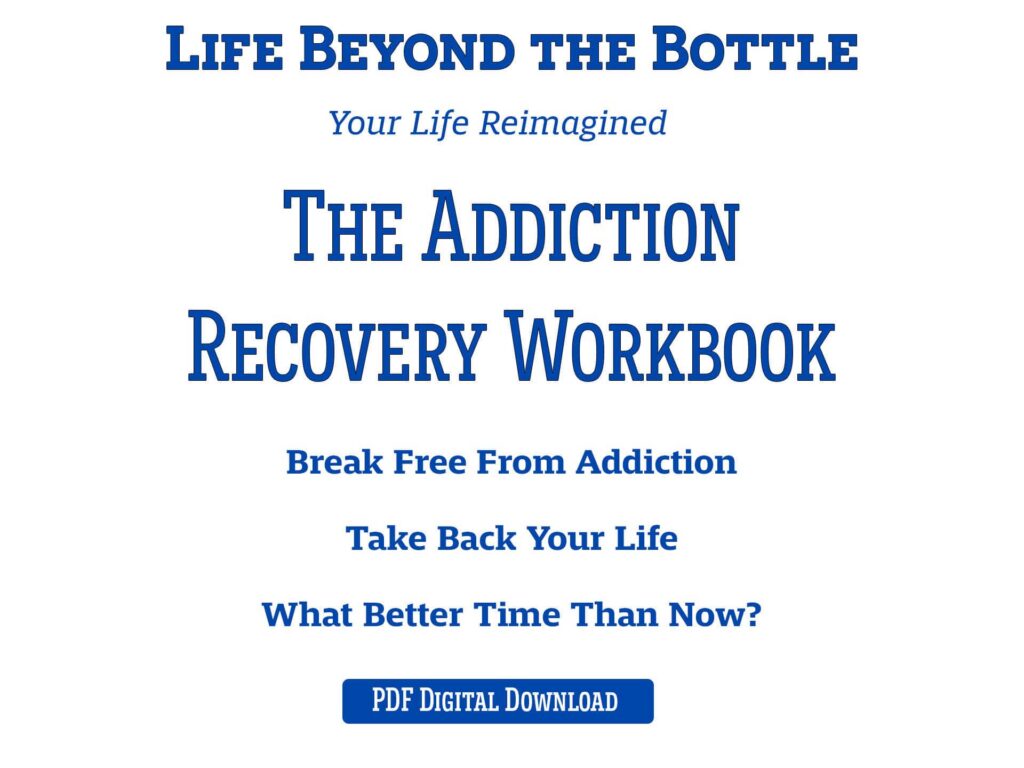
- Incorporate Professional Resources: Utilize professional and structured tools designed to support your recovery. For example, Life Beyond the Bottle – The Addiction Recovery Workbook is an invaluable toolkit component. This comprehensive workbook is crafted from years of experience and insights from leading SMART Recovery meetings. It offers over 600 pages of practical strategies, tools, and exercises to guide you through every stage of recovery.
- Continuous Learning: Add new knowledge and resources to keep your toolkit dynamic. Books, articles, and other educational materials can provide ongoing support and inspiration.
- Digital and Physical Elements: Your toolkit should include digital resources, such as apps and online support networks, and physical items, like journals and motivational reminders.
Embark on a transformative path to sobriety with Life Beyond the Bottle – The Addiction Recovery Workbook, your comprehensive resource designed to support every stage of your recovery journey. Drawing upon extensive personal experience and participation in SMART Recovery, this digital workbook offers practical strategies, tools, and exercises to navigate the complexities of addiction recovery, from initial steps to maintaining lasting sobriety. Featuring custom images and inspirational quotes, it empowers you to take control of your life and provides the guidance needed for a fulfilling, addiction-free future.
By assembling and continually updating your recovery toolkit, you ensure that you are always equipped with the resources necessary to face the diverse challenges of sobriety head-on. Each tool you add fortifies your commitment to recovery and enhances your ability to maintain a sober, healthy lifestyle.
Take Action
Are you ready to take control of your journey to sobriety? Each step towards recovery is a step towards freedom. Whether you are just starting or you’ve been on this path for a while, remember that it’s never too late to enhance your approach or introduce new strategies to your recovery plan.
Embrace the guidance, strategies, and community support offered at Life Beyond the Bottle. Dive into your recovery with an open heart and a clear mind, and remember that every day presents a new opportunity to strengthen your commitment to a sober, fulfilling life.
Conclusion
Congratulations on taking these essential steps on your path to recovery. Considering the 25 tips outlined, you’re not just surviving; you’re thriving in your journey to sobriety. Remember, recovery is a continuous process that benefits from a proactive approach and a supportive community. It’s about building a life where sobriety isn’t just a phase—it’s a lasting commitment. Keep challenging yourself, embracing support, and, most importantly, celebrating every victory, no matter how small.
Continue to nourish your recovery journey with Life Beyond the Bottle – The Addiction Recovery Workbook. It’s designed to be your companion as you navigate the complexities of staying sober. With tools, strategies, and personal insights, this workbook is more than just a resource—it’s a gateway to a new, empowered you.
Stay strong, stay inspired, and stay on your path. You have everything you need to succeed. Let us help you keep moving forward, one step at a time. Together, we can achieve a life beyond the bottle—a life filled with joy, resilience, and sobriety. Join us today, and let’s make your sober journey remarkable.