Key Takeaways
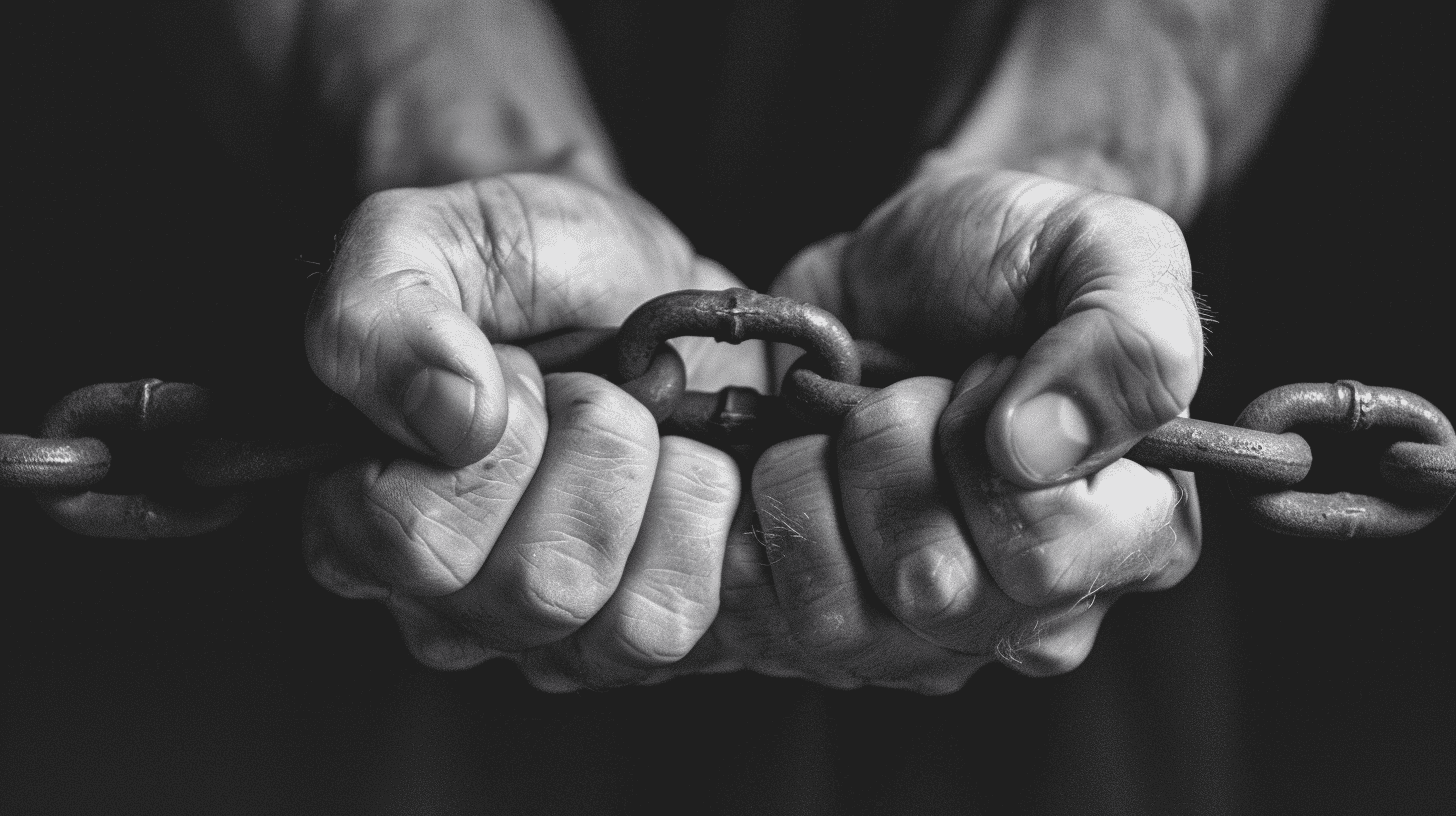
- Addiction is a Brain Disorder: Addiction isn’t just a habit or a lack of willpower; it’s a chronic, relapsing disorder that fundamentally rewires the brain, making recovery incredibly challenging.
- The Brain’s Reward System is Hijacked: Addictive substances exploit the brain’s natural reward system, leading to intense cravings, the development of tolerance, and dependence, which fuel the cycle of addiction.
- Signs of Addiction: Recognizing the physical, behavioral, emotional, and social signs of addiction is crucial for identifying when help is needed, whether for yourself or someone else.
- The Cycle of Addiction is Powerful: Cravings and withdrawal symptoms drive the relentless cycle of addiction, which is influenced by genetic, environmental, and developmental factors.
- Recovery is Possible Through Multiple Strategies: Successful recovery often involves a combination of professional treatment options, support groups, and counseling, each tailored to the individual’s needs.
- Your Brain Can Heal: Through the power of neuroplasticity, the brain can rewire itself during recovery, creating new, healthier pathways that support a life free from addiction.
- Hope and Recovery are Within Reach: No matter how deep the addiction runs, with the right support and determination, you can overcome addiction and build a healthier, happier future.
Introduction
Imagine waking up every day knowing that the thing you crave most is also what’s destroying you. That’s what I did for over 20 years. For many years, I didn’t even know it was slowly eating away at me. But later, when I finally realized this was true, it didn’t make giving up alcohol any easier. The grip of addiction doesn’t loosen just because you know it’s killing you. I know this firsthand because I’ve walked that path. But here’s the thing—I’ve been sober for six years now—six years of slowly piecing my life back together, of rebuilding what alcohol nearly destroyed.
Substance use disorders (SUD) are more common than many realize. In 2022, 48.7 million people aged 12 or older had a substance use disorder. This includes 29.5 million struggling with alcohol use disorder and 27.2 million with a drug use disorder. These numbers aren’t just statistics—they represent real lives, real battles, and real pain. But beyond the numbers, what’s crucial to understand is that addiction isn’t just about a lack of willpower or bad choices; it’s a complex, often misunderstood condition that deeply affects the brain.
Understanding addiction means grasping how it rewires the brain, turning it against itself, and making recovery feel like an impossible climb. This is why simply “quitting” is far more challenging than it sounds. It’s not just about giving up a substance; it’s about reclaiming your mind from a relentless enemy that’s dug in deep.
What is Addiction?
Addiction is often misunderstood and stigmatized, but at its core, it’s a chronic, relapsing disorder that profoundly alters the brain. According to the National Institute on Drug Abuse (NIDA), addiction is defined as “a chronic, relapsing disorder characterized by compulsive drug seeking, continued use despite harmful consequences, and long-lasting changes in the brain.” This definition cuts through the myths and misconceptions, highlighting addiction as a serious medical condition, not a moral failing or simple lack of willpower.
When we talk about addiction, we’re referring to more than just a habit or a dependency. Addiction invades every aspect of a person’s life. It’s like a thief in the night, slowly taking over relationships, careers, self-worth, and even one’s identity. The substance—whether it’s alcohol, drugs, or something else—becomes the focal point of existence, overshadowing everything else. People battling addiction often find themselves trapped in a cycle where the need for the substance takes precedence over everything else, even their well-being.
Addiction doesn’t just change how someone behaves; it fundamentally alters how they think and feel. It manipulates the brain’s reward system, making the pursuit of the substance feel as essential as breathing. Over time, this compulsion grows stronger, even as the substance’s effects weaken—a cruel paradox that fuels the downward spiral of addiction.
Understanding addiction as a severe form of substance use disorder is crucial. It’s not about lack of discipline or making poor choices; it’s about the brain being rewired to prioritize the substance above all else. This is why overcoming addiction is so incredibly difficult—it’s not just a battle against a habit but against a deeply ingrained change in the brain’s functioning.
How Addiction Affects the Brain
Understanding how addiction affects the brain is critically important, especially when we consider how often people in recovery find themselves back at square one, bewildered by a relapse they didn’t see coming. I’ve seen it happen time and time again in SMART Recovery meetings—someone returns after a relapse, genuinely confused, saying, “I don’t know what happened.” The truth is addiction has a profound grip on the brain, and its power is often underestimated.
Addiction isn’t just a physical dependency; it’s a full-scale assault on the brain’s ability to function normally. To really grasp why addiction is so hard to overcome, we need to dive into what’s happening up there in our heads.
The Brain’s Reward System
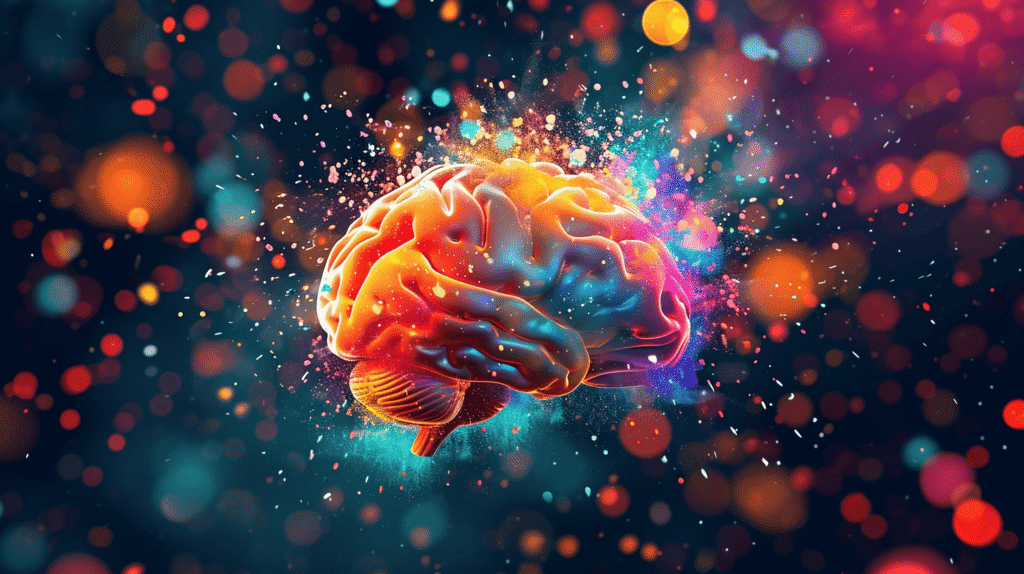
At the heart of addiction is the brain’s reward system—a network designed to reinforce behaviors essential for survival, like eating and socializing. This system operates on a simple principle: do something that benefits survival, and the brain rewards you with a hit of dopamine, the “feel-good” neurotransmitter. It’s a natural, built-in mechanism that helps keep us alive and motivated.
But here’s the kicker: addictive substances hijack this system. When someone uses a drug or alcohol, these substances flood the brain with dopamine, creating an intense pleasure that far surpasses what we experience from natural rewards. This overwhelming surge of dopamine tricks the brain into thinking the addictive substance is more important than anything else. Over time, the brain becomes conditioned to crave that intense reward, even at the expense of health, relationships, and responsibilities.
Development of Tolerance and Dependence
As addiction progresses, something insidious happens: the brain starts to adapt to these high levels of dopamine. It’s like if you were to constantly turn up the volume on your headphones—eventually, your ears would adjust, and you’d need to keep increasing the volume just to hear the music. This is tolerance. The brain’s receptors become less sensitive to dopamine, meaning more substance is needed to achieve the same pleasurable effect.
Dependence develops alongside tolerance. The brain, now accustomed to the presence of the substance, begins to rely on it to function normally. Without it, dopamine levels plummet, leading to withdrawal symptoms—both physical and mental—that can be excruciating. The brain essentially throws a tantrum, demanding the substance to restore balance, and this is where the compulsive need to use comes in. It’s not just about wanting the substance anymore; it’s about needing it to feel “normal.”
Impact on Decision-Making and Impulse Control
Addiction also takes a significant toll on the brain’s decision-making abilities and impulse control. The prefrontal cortex, the part of the brain responsible for rational thinking, planning, and controlling impulses, is particularly vulnerable. Addiction weakens this area, making it harder to weigh the consequences of using the substance. This is why someone might relapse even when they know, logically, that it’s a bad idea. The decision-making part of the brain is outgunned by the part of the brain that craves the substance.
At the same time, the brain’s habit-forming circuits are strengthened. This means it is harder to resist the urge to use, and the behavior becomes automatic, almost reflexive. So, when someone says, “I don’t know what happened,” it’s because their brain’s wiring has been altered to prioritize substance use above all else. It’s not just a lapse in judgment; it’s a battle against a brain that has been rewired by addiction.
Signs of Addiction
Recognizing the signs of addiction is crucial, especially because addiction often creeps into a person’s life gradually, making it easy to overlook. These signs are the red flags that something serious is happening, and acknowledging them is the first step toward getting help.
Physical Signs
- Unexplained Weight Changes: Significant and unexplained weight loss or gain can indicate substance abuse.
- Poor Hygiene: Neglecting personal grooming and cleanliness is common as addiction takes priority.
- Bloodshot Eyes or Dilated Pupils: Certain substances cause noticeable changes in the eyes.
- Tremors or Shakiness: These can occur, especially during withdrawal periods.
- Unusual Sleep Patterns: Insomnia, excessive sleeping, or irregular sleep schedules can be signs of substance use.
Behavioral Signs
- Secrecy and Isolation: Pulling away from loved ones, keeping secrets, or lying about activities.
- Neglecting Responsibilities: Failing to meet work, school, or home obligations.
- Erratic or Risky Behavior: Engaging in behaviors that are out of character or risky, often in pursuit of the substance.
- Loss of Interest in Activities: Hobbies and activities that were once enjoyable may no longer hold interest.
- Financial Problems: Unexplained spending or frequent borrowing of money to support the addiction.
Emotional and Mental Signs
- Mood Swings: Extreme mood changes, from euphoria to anger or depression, can be linked to substance use.
- Anxiety and Paranoia: Increased levels of anxiety or feelings of paranoia, particularly when the substance isn’t available.
- Depression: Persistent sadness or feelings of hopelessness, often related to the cyclical nature of addiction.
- Memory Problems: Difficulty concentrating or remembering things can result from substance use.
- Irritability: Quickness to anger or irritability, especially when not using the substance.
Social Signs
- Isolation from Friends and Family: A person may withdraw from social interactions to hide their addiction.
- Relationship Problems: Strained or broken relationships due to the behaviors associated with addiction.
- Legal Issues: Trouble with the law, such as DUIs, arrests, or other legal consequences related to substance use.
- Job or School Issues: Declining performance, frequent absences, or even job loss due to addiction.
- Loss of Social Support: Friends or family members may distance themselves as the person’s addiction progresses.
Recognizing the Need for Help
- Acknowledging the Signs: Seeing these signs in yourself or someone else isn’t about assigning blame; it’s about recognizing that addiction is a powerful force that needs to be addressed.
- Call to Action: The sooner these signs are recognized, the sooner steps can be taken to seek help and start the journey toward recovery.
The Cycle of Addiction
The cycle of addiction is a relentless loop that many people find themselves trapped in, often without fully understanding how they got there. It’s not just a matter of using a substance repeatedly; it’s a complex process that involves cravings, use, temporary relief, and then withdrawal, which starts the cycle all over again. Understanding this cycle is crucial for breaking free from it.
Cravings and Withdrawal
- Cravings: Cravings are the brain’s desperate cry for more of the substance. They’re not just a passing thought; they can be intense, almost overwhelming, driven by the brain’s need to restore the high dopamine levels it’s grown accustomed to. Cravings are one of the most powerful forces in the cycle of addiction, often leading people back to the substance even after they’ve made a conscious decision to quit.
- Withdrawal: When the substance is absent, the brain and body react with withdrawal symptoms. These symptoms can be both physical (like nausea, sweating, or tremors) and psychological (like anxiety, depression, or irritability). Withdrawal can feel unbearable, which is why so many people return to using the substance—just to make the discomfort stop.
Factors Influencing Addiction
- Speed of Drug Delivery: The faster a drug reaches the brain, the more addictive it tends to be. Substances that are smoked or injected, for example, hit the brain quickly, creating a more intense high and, consequently, a stronger compulsion to use them again.
- Genetic Factors: Some people are genetically predisposed to addiction. If addiction runs in your family, you might be more susceptible to developing it yourself. This doesn’t mean addiction is inevitable, but it does mean that certain people may need to be more cautious.
- Environmental Factors: Life experiences, trauma, and mental health conditions play a significant role in addiction. People exposed to high levels of stress or trauma, especially in childhood, are at a higher risk of developing addictive behaviors as a way to cope with emotional pain.
- Age of First Use: The younger a person is when they first use a substance, the more likely they are to develop an addiction. The brain is still developing well into the mid-20s, and introducing substances during this critical period can alter its development and increase the likelihood of addiction.
Recovery Strategies
Breaking free from addiction is a challenging journey that requires a comprehensive approach. Recovery isn’t just about stopping substance use; it’s about reclaiming your life, rebuilding what was lost, and learning how to live without relying on a substance. Recovery strategies are as diverse as the people who need them, and finding the right combination of tools and support is crucial for long-term success.
Professional Addiction Rehab
When it comes to professional treatment, there are several options, each with its own set of pros and cons. Choosing the right one depends on the severity of the addiction, personal circumstances, and the level of support needed.
- In-Patient Treatment
- What It Is: In-patient treatment involves staying at a residential facility where patients receive 24/7 care. It provides a structured environment free from outside distractions and temptations.
- Pros: Intensive support, a safe environment, and immediate access to medical care. It’s particularly effective for severe addictions.
- Cons: It can be expensive and requires a significant time commitment, which might only be feasible for some. Being away from family and work can also be challenging.
- Intensive Outpatient (IOP)
- What It Is: IOP allows individuals to live at home while attending treatment sessions several times weekly. It’s a step down from in-patient care but still provides substantial support.
- Pros: Flexibility to continue with daily responsibilities like work or school. It’s less expensive than in-patient treatment and offers support while maintaining some independence.
- Cons: There’s a higher risk of relapse due to exposure to triggers in the home environment. It requires a strong support system outside of treatment.
- Outpatient Treatment
- What It Is: Outpatient treatment is the least intensive, involving regular therapy sessions while the person continues to live at home and maintain their daily routine.
- Pros: Maximum flexibility, lower cost, and the ability to integrate recovery into everyday life.
- Cons: The least amount of structure and supervision, which may not be enough for those with severe addiction or without a strong support system.
Addiction Support Groups
Support groups play a vital role in recovery by providing a sense of community, shared experiences, and ongoing encouragement. Different groups offer various approaches, so finding one that aligns with personal beliefs and needs is essential.
- AA (Alcoholics Anonymous)
- Approach: AA is a 12-step program that emphasizes admitting powerlessness over alcohol and turning to a higher power for help. It’s based on principles of spiritual growth and accountability.
- Benefits: Strong community support, widespread availability, and a clear, structured approach to recovery.
- Considerations: The spiritual aspect may only resonate with some, and some may find the emphasis on powerlessness challenging.
- SMART Recovery
- Approach: SMART Recovery focuses on self-empowerment and evidence-based techniques. It uses cognitive-behavioral therapy (CBT) and other scientifically supported methods to help individuals manage their recovery.
- Benefits: It emphasizes personal responsibility, does not require a belief in a higher power, and provides tools that can be applied to any type of addictive behavior.
- Considerations: It is less widespread than AA, so finding meetings may be more challenging, depending on the location.
- Other Support Groups
- Celebrate Recovery: A Christian-based 12-step program that integrates spiritual principles with addiction recovery.
- Women for Sobriety: Focuses on emotional and spiritual growth, specifically for women in recovery.
- LifeRing Secular Recovery: A secular, self-help support group that emphasizes personal responsibility and the power of peer support without religious or spiritual elements.
Professional Addiction Counseling
Therapy is a cornerstone of addiction recovery, offering personalized support and strategies to address the underlying causes of addiction. It can be incredibly effective when combined with other treatment methods.
- Personalized Therapy: Addiction counseling provides a safe space to explore the root causes of substance use, whether it’s trauma, mental health issues, or stress. A therapist can help develop coping strategies, rebuild self-esteem, and create a plan for maintaining sobriety.
- Types of Therapy:
- Cognitive-behavioral therapy (CBT): Helps identify and change negative thought patterns that contribute to addiction.
- Motivational Interviewing (MI): Encourages individuals to find their motivation to change by exploring the pros and cons of their behavior.
- Family Therapy: Involves loved ones in recovery to heal relationships and create a supportive home environment.
The Brain’s Ability to Adapt – The Key to Recovery
One of the most hopeful aspects of recovery is knowing that your brain has the incredible ability to heal and rewire itself. This concept, known as neuroplasticity, is the key to overcoming addiction and reclaiming your life.
Neuroplasticity: The Brain’s Remarkable Resilience
Neuroplasticity is the brain’s ability to change and adapt throughout life. Even after years of addiction, your brain can form new neural connections, essentially rewiring itself to support healthier behaviors. This means that the patterns of thought, behavior, and response reinforced by addiction can be replaced with new, positive patterns.
When you begin the recovery journey, you’re not just fighting against old habits but actively reshaping your brain. Every time you choose to stay sober, attend a meeting, or reach out for support, you’re helping to strengthen the pathways in your brain that support your recovery. Over time, these new connections strengthen, making it easier to resist cravings and make healthier choices.
Your Brain Can Heal
It’s important to remember that recovery is not just about overcoming addiction; it’s about giving your brain the time and opportunity to heal. Just as your brain adapts to the presence of substances, it can also adapt to their absence. The brain’s ability to recover might not happen overnight, but with persistence and the right support, real change is not only possible—it’s inevitable.
Think of it like this: every positive step you take in your recovery is like laying a new brick in the foundation of your life. With each brick, the structure becomes stronger, more resilient, and more capable of withstanding challenges. Your brain is your greatest ally in this process, capable of incredible transformation and growth.
Recovery is Within Reach
No matter how long you’ve been struggling with addiction, it’s never too late to start rewiring your brain. Recovery isn’t just about surviving; it’s about thriving, about discovering the strength within you that perhaps you didn’t even know existed. Your brain is built to adapt, to change, and to recover. With time, effort, and support, you can rebuild your life, one choice at a time.
So, take heart in knowing that every day you choose recovery, you’re not just fighting addiction—you’re actively creating a new path for yourself. A path where your brain, body, and spirit work together to build a healthier, happier future.
Conclusion
Addiction is a powerful force that invades every aspect of life, but understanding it is the first step toward overcoming it. Addiction isn’t just a bad habit or a moral failing; it’s a profound disorder that rewires the brain, making it incredibly challenging to break free. But as difficult as it may seem, recovery is not just possible—it’s within reach for anyone willing to fight for it.
Through understanding how addiction affects the brain, recognizing the signs, and learning about the cycle of addiction, we can see that this battle is not about willpower alone. It’s about reclaiming control over a brain that substances have hijacked. The journey to recovery involves choosing the right strategies—whether through professional rehab, support groups, or counseling—and understanding that these choices are building a new foundation for your life.
But the most encouraging truth is this: your brain can heal. The concept of neuroplasticity shows us that no matter how deep the addiction runs, the brain can rewire itself. Each positive choice, each moment of resilience, is a step toward rebuilding those neural pathways that support a healthy, substance-free life. It’s a transformation journey where the brain, body, and spirit align to create a stronger, more resilient you.
In closing, it’s vital to understand that addiction is a complex, powerful adversary, but with knowledge, support, and determination, it can be overcome. Recovery is not just about surviving addiction; it’s about thriving in life beyond it. Embrace the hope that comes with knowing your brain can change, and with every step forward, you’re moving closer to the life you deserve—one of freedom, health, and happiness.
Excerpt
Addiction rewires the brain, making recovery tough. But with understanding, the right strategies, and neuroplasticity, overcoming addiction is possible.