
Key Takeaways
Recovery from alcohol addiction is a profound step toward reclaiming control over your life. It’s a path filled with challenges, learning, and growth. To guide you through this transformative process, we’ve distilled the essence of navigating the early stages of recovery. This section offers a concise overview of the key strategies and insights shared in the article, providing a roadmap for those ready to take the first steps toward a sober and fulfilling life.
- Embrace a Structured Approach: Recovery thrives on structure, offering clarity and stability as you navigate the challenges of early sobriety.
- Commit to Daily Recovery Work: Incorporate recovery activities into your daily routine to build resilience and maintain focus on your sobriety goals.
- Understand the Reality of Early Recovery: Be prepared for emotional fluctuations and cravings, knowing these challenges lessen with time and support.
- Build on Your Recovery Foundation: Continue to grow and strengthen your sobriety through new skills, relationships, and personal goals.
- Utilize Guided Workbooks: “Sobriety Kickstart” and “Solidifying Sobriety” provide daily exercises and inspiration to support your journey.
- Be Aware of Early Recovery Risk Factors: Recognize and prepare for potential challenges, including overconfidence and complacency.
As you delve into the full article, you’ll find detailed discussions, personal insights, and practical advice to support these key takeaways. Whether you’re taking your first steps toward sobriety or looking to deepen your recovery journey, this guide empowers you with the knowledge and tools you need to succeed.
Introduction
If someone had told me years ago that one day I’d be living a life completely free from alcohol, I would have laughed—or, more likely, scoffed at the impossibility. I didn’t think it was possible for me to quit drinking. My journey through the haze of alcohol addiction, where two bottles of vodka a day was the norm, seemed an inescapable part of who I was. The very thought of sobriety felt like a distant, unattainable dream. Yet, here I am, nearly six years into a journey of recovery that has not only transformed my life but has also ignited a passion in me to guide others through their own battles with addiction.
The path to sobriety is as unique as the individuals who walk it. Still, one common element among those who successfully navigate this journey is the adoption of a structured approach to recovery. It’s not merely about abstaining from alcohol; it’s about redefining one’s life around new routines, supportive environments, and daily practices that foster resilience and growth.
This article explores the transformative power of such an approach, particularly in the precarious early stages of recovery. Through personal insights, practical advice, and an introduction to resources specifically designed to support this journey, we’ll explore how a structured framework can offer a roadmap to sobriety and a blueprint for a new way of living.
As we embark on this exploration, remember that the recovery journey is deeply personal. Yet, within the shared experiences and strategies we’ll discuss lies the hope and proof that change is possible and within reach, one structured step at a time.
The Power of a Structured Approach

Entering the realm of recovery without a plan is like navigating uncharted waters without a compass. The power of a structured approach in early addiction recovery cannot be overstated. It’s about creating a scaffold for your new life, where each routine, activity, and support system plays a critical role in maintaining sobriety.
This systematic strategy provides a clear path forward, helping to manage the uncertainty and challenges that come with leaving alcohol behind.
- Clarity and Direction: A structured approach outlines clear steps and milestones, offering a sense of direction in a journey that can often feel overwhelming.
- Stability and Routine: Establishing a daily routine filled with healthy habits and recovery-focused activities brings stability to life, a cornerstone of sustained sobriety.
- Accountability and Measurement: Structured recovery programs include mechanisms for accountability, allowing you to track your progress and celebrate your successes, however small they may seem.
- Support and Community: Engaging with support groups and recovery communities as part of your structure ensures you’re not walking this path alone. Shared experiences and wisdom can be incredibly empowering.
- Flexibility Within Framework: While the structure provides a framework, it’s adaptable. Your recovery plan can evolve as you progress, tailoring it to your growing needs and insights.
Embracing a structured approach in the early days of recovery lays the foundation for rebuilding your life. It’s about more than just avoiding alcohol; it’s a comprehensive strategy for healing and growth.
As you move forward, remember that the structure doesn’t confine you—it liberates you. By having a plan in place, you’re free to focus on your journey of self-discovery and healing, secure in the knowledge that you’re following a path laid out with the wisdom of those who’ve walked this road before you. This approach doesn’t just make recovery possible; it makes it more manageable, meaningful, and, ultimately, successful.
Introducing the Early Recovery Workbooks
To support you in this transformative journey, I’ve created two resources specifically designed to guide you through the critical first and second months of recovery. Sobriety Kickstart – Your First Month of Recovery and Solidifying Sobriety – Your Second Month of Recovery are workbooks that extend beyond mere guidance; they are companions in your journey towards a sober life.
- Focused Daily Exercises: Each day is structured with exercises to help you reflect, grow, and stay on course. From journaling prompts to mindfulness exercises, these activities are designed to reinforce your recovery efforts.
- Practical Tools for Sobriety: The workbooks provide practical tools and strategies for managing cravings, navigating social situations, and building a supportive network, making sobriety more accessible and sustainable.
- Inspirational Stories: The workbooks are filled with motivational stories and insights, showcasing the real-life successes of those who have walked this path before you.
- Building Habits: Beyond the immediate goal of maintaining sobriety, these workbooks help you build the habits and routines that form the backbone of a healthy, sober lifestyle.
- A Personal Mentor: Consider these workbooks as having a personal mentor by your side, offering daily guidance, encouragement, and accountability as you navigate the early stages of recovery.
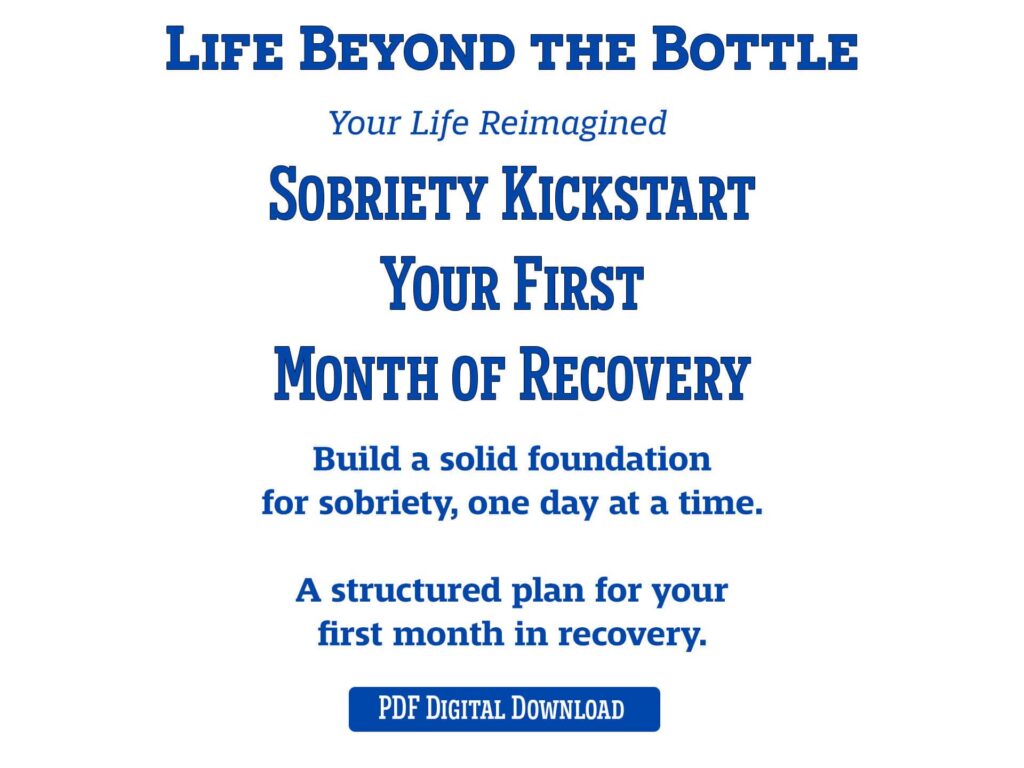
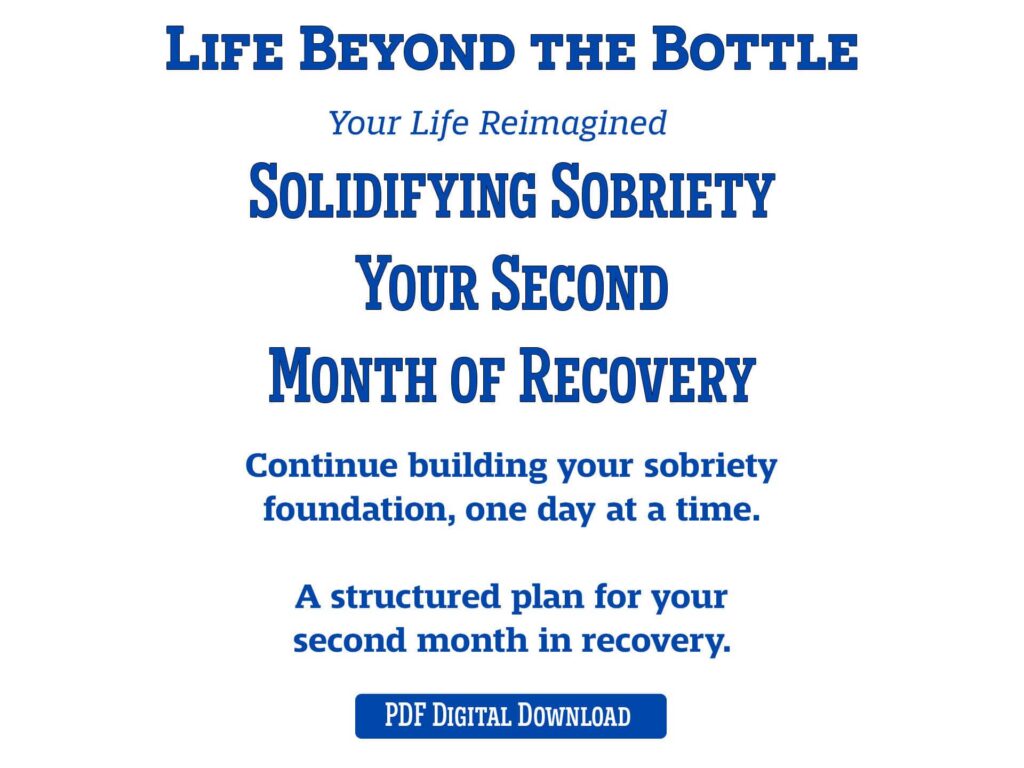
Sobriety Kickstart and Solidifying Sobriety are more than guides; they are testaments to the belief that recovery is within reach with the right support and tools. By following these workbooks, you’re taking steps towards sobriety, reclaiming your life, and discovering a future filled with possibility and hope.
Let these workbooks serve as your roadmap as you embark on or continue your recovery journey. They remind you that every day is an opportunity for growth, healing, and renewal. Embrace them as part of your daily recovery work, and witness the profound impact they can have on your journey towards a life beyond the bottle.
The Crucial First Steps

The journey of a thousand miles begins with a single step, and this adage holds profound truth in the context of addiction recovery.
The initial decision to seek sobriety is monumental, marking the first crucial step towards a life reclaimed. Yet, it’s accompanied by a myriad of challenges and emotions, from fear and doubt to a tentative hope for a future free from alcohol’s grasp.
- Acknowledgment and Acceptance: The pivotal first steps are acknowledging the need for change and accepting the challenge of sobriety. This acknowledgment is the foundation upon which your recovery is built.
- Seeking Support: No one should navigate the waters of recovery alone. Identifying and reaching out to support networks, whether a formal group like SMART Recovery or AA or a trusted circle of friends and family, is essential.
- Setting Realistic Goals: Start with attainable goals that can provide a sense of achievement early on. These can be as simple as attending your first meeting or spending a weekend sober.
- Educating Yourself: Understanding addiction and the recovery process can empower you. Knowledge equips you to face challenges more effectively and demystifies many aspects of recovery.
- Preparing for Change: Sobriety is a significant lifestyle change. Preparing mentally, emotionally, and physically for this shift is crucial, whether it means altering your routine, avoiding specific triggers, or finding new, sober activities to enjoy.
Taking these first steps can feel like standing at the edge of a cliff, but they are the most critical part of beginning your recovery journey. Each small, deliberate action you take builds momentum, forging a path out of the cycle of addiction.
Remember, the recovery journey is not linear; victories and setbacks mark it. Yet, with each step forward, you’re not only moving closer to sobriety but also rediscovering yourself and what it means to live fully. Embrace these first steps with courage and conviction, for they are your first strides toward a future defined not by alcohol but by your strength and resilience.
The Importance of Daily Recovery Work
Sobriety is not a destination but a daily journey that requires commitment, effort, and, most importantly, consistent daily recovery work. This daily dedication to recovery work builds the resilience needed to maintain sobriety.
In the long term. It’s about creating a new normal where recovery activities become as integral to your day as eating or sleeping.
- Routine: Establishing a daily routine with recovery activities can help structure your day and provide stability. This routine might include morning meditation, reading recovery literature, or attending support meetings.
- Variety: Incorporating a variety of activities into your recovery work ensures that you’re addressing different aspects of your well-being—physical, mental, emotional, and spiritual.
- Mindfulness and Reflection: Mindfulness and self-reflection are key components of daily recovery work. These practices help you stay connected with your inner self and recovery goals.
- Connection: Making time each day to connect with others in recovery can reinforce your commitment to sobriety. Whether it’s a phone call to a sponsor or participating in a recovery forum online, these connections remind you that you’re not alone.
- Self-Care: Self-care is a crucial part of daily recovery work. Activities that promote physical health, like exercise or nutritious eating, and those that support mental health, like journaling or engaging in a hobby, are all forms of self-care that bolster recovery.
By making recovery work a part of your daily life, you’re not just avoiding relapse but actively building a life you don’t want to escape from. This daily commitment transforms the struggle for sobriety into a more manageable and rewarding journey.
Remember, each day you engage in recovery work, you invest in yourself and your future. The importance of this cannot be overstated; these daily practices lay the foundation for a sustained, fulfilling recovery. Embrace them, and watch your life transform in ways you might never have imagined.
The Reality of Early Recovery

The early days of recovery are often romanticized as a period of immediate transformation and enlightenment. However, the reality is usually more nuanced, marked by small victories and, inevitably, some setbacks.
Understanding and accepting the ebb and flow of this journey is crucial to navigating early recovery with resilience and grace.
- Fluctuating Emotions: Be prepared for a rollercoaster of emotions. It’s normal to feel hopeful one day and overwhelmed the next. Recognizing this as a part of the process can help you manage these feelings more effectively.
- Cravings and Thoughts of Drinking: Cravings and persistent thoughts of drinking are common in early recovery. While frustrating, they diminish over time as you build healthier coping mechanisms and a supportive network.
- The Importance of Patience: Recovery requires patience. The desire for instant results can lead to disappointment. Celebrating small milestones is essential, as well as recognizing progress is being made, even if it’s not always visible.
- Learning New Skills: Early recovery is a time for learning and growth. Whether developing new coping strategies, finding sober recreational activities, or rebuilding relationships, this period is ripe with opportunities for personal development.
- Building a New Identity: One of the most profound aspects of early recovery is the chance to redefine oneself beyond addiction. This might involve exploring new interests, values, and aspects of your personality overshadowed by alcohol.
Navigating the reality of early recovery demands honesty, openness, and a willingness to embrace change. While the journey may present challenges, it also offers unparalleled opportunities for growth and transformation. Remember, recovery is not just about removing something negative from your life but about adding immeasurably to it.
The struggles of early recovery are real, but they are also temporary. With each passing day, you’re moving further from your past and closer to a future filled with possibilities. Embrace this time with compassion for yourself and a commitment to your journey, knowing that your path leads you toward a life of greater authenticity and fulfillment.
Building on Your Recovery Foundation

After navigating the tumultuous waters of early recovery, it’s time to start building on the foundation you’ve laid. This phase is about deepening your commitment to sobriety by enriching your life to support lasting recovery. It’s a period of exploration, growth, and consolidation, where the habits and strategies you’ve developed become the cornerstone for a fulfilling, sober life.
- Expanding Your Toolkit: Expand your recovery toolkit with new strategies and coping mechanisms. These might include advanced mindfulness techniques, regular physical activity, or exploring creative outlets like art or writing.
- Strengthening Relationships: Strengthen healthy relationships and build a supportive community. Surrounding yourself with people who respect your sobriety and contribute positively to your life is invaluable.
- Setting New Goals: Once the initial goal of sobriety is achieved, set new personal and professional goals. These could involve pursuing education, career advancements, or personal hobbies and interests.
- Embracing Challenges: View challenges as opportunities for growth. Whether you learn to navigate social situations sober or tackle personal issues head-on, facing these challenges strengthens your recovery.
- Giving Back: Consider giving back to the recovery community. Sharing your journey, supporting others in their recovery, or volunteering can provide a sense of purpose and connection.
Building on your recovery foundation is an ongoing process that requires diligence, courage, and an openness to continued self-discovery. This stage is about more than just maintaining sobriety; it’s about actively creating a rich, rewarding life in recovery aligned with your values and aspirations. Celebrate how far you’ve come, and look forward to the journey ahead. Remember, recovery is a pathway to discovering your potential, realizing your dreams, and living a sober, vibrant, and fulfilling life.
Early Recovery Risk Factors
While the path to recovery is filled with growth and discovery, it’s also important to be aware of the potential risk factors that can emerge, particularly in the early stages. Recognizing and navigating these risks is a critical part of maintaining sobriety and building a resilient foundation for long-term recovery.
- Overconfidence: Feeling invincible or thinking you’ve “got this” can lead to risky behaviors, such as putting yourself in tempting situations. Remember, confidence is good, but overconfidence can blind you to real threats to your sobriety.
- Complacency: Similar to overconfidence, complacency—feeling like you no longer need to work on your recovery actively—can halt your progress and make you vulnerable to relapse.
- Untreated Mental Health Issues: Many people in recovery also deal with co-occurring mental health conditions. Ignoring or not properly addressing these can undermine your recovery efforts.
- Social Pressure and Triggers: Finding yourself in social situations where alcohol is present can be a significant challenge. Learning to navigate these situations without compromising your sobriety is crucial.
- Neglecting Self-Care: Failing to maintain healthy self-care routines can lead to physical and emotional exhaustion, making it harder to resist the temptation to drink.
Facing these risk factors head-on, with honesty and a willingness to seek help when needed, is essential. Strategies such as developing a solid relapse prevention plan, continuing to engage in recovery and support groups, and taking proactive steps to manage stress and mental health can all help mitigate these risks.
Remember, being aware of these risks doesn’t mean you’re expecting to fail; instead, it’s a sign of strength and a commitment to your recovery journey. Acknowledging and preparing for these challenges, you’re arming yourself with the knowledge and tools to navigate early recovery with confidence and resilience. Stay vigilant, stay informed, and never hesitate to reach out for support when these risk factors emerge. Your path to recovery is about avoiding pitfalls and building a life where sobriety is sustained by joy, purpose, and well-being.
Conclusion
Embarking on the journey of recovery is among the bravest steps you can take toward reclaiming your life from addiction. It’s a path marked by challenges and triumphs, setbacks and successes.
The early days of recovery are a critical period where the foundation for a sober, fulfilling life is laid. You are equipped to navigate this transformative journey through the structured approach outlined in this article, including the daily commitment to recovery work, understanding the reality of early recovery, and building upon your initial progress.
The “Sobriety Kickstart—Your First Month of Recovery” and “Solidifying Sobriety—Your Second Month of Recovery” workbooks are designed to be your companions through this critical phase. They offer not just guidance and structure but also inspiration and support as you work to build a new life free from alcohol. Remember, the goal of early recovery isn’t just to stop drinking; it’s to start living a life that feels true and fulfilling without the need for alcohol.
As you move forward, consider the potential risk factors of early recovery. Overconfidence, complacency, and neglect of self-care are just a few of the hurdles you might face. However, these challenges can be successfully navigated with awareness and the right tools.
Recovery is a journey, not a destination. Each day presents a new opportunity for growth, learning, and healing. Each day is a day to reimagine your life in recovery. Celebrate your successes, learn from your setbacks, and strive toward a future filled with hope, health, and happiness. Remember, you are not alone on this journey. A community of support, resources like the workbooks mentioned, and your resilience and determination are with you every step of the way.
Embrace the journey of recovery with an open heart and mind. The road ahead is full of potential and promise. With each step, you’re moving away from addiction and towards a more prosperous, vibrant life. Let this be your guiding light as you build your best life beyond the bottle.