Key Takeaways: Understanding Relationships in Recovery
As you navigate the path to recovery, understanding the dynamics of your relationships becomes essential. This section highlights the key insights from our exploration of how to handle relationships during this transformative phase of your life.
Relationships Can Be Rebuilt: Recovery offers an opportunity to mend the ties strained by addiction. Some relationships can be restored with effort and sincerity, bringing mutual healing and support.
Some Relationships Are Beyond Repair: Acceptance is key when facing relationships damaged beyond the point of recovery. Recognizing and letting go of these can be crucial for your emotional health and sobriety.
Toxic Relationships Should Be Severed: Protecting your recovery might require severing ties with relationships that pose risks to your well-being. Making these tough decisions is necessary to maintain a healthy environment for your sobriety.
These takeaways provide a roadmap for evaluating and acting on the relationships in your life as you journey toward recovery. As we delve deeper into these themes, remember that your decisions about your relationships are pivotal to your continued growth and success in sobriety. Let’s explore how you can mend, end, or defend relationships to support your recovery journey better.
Introduction
I know firsthand the powerful grip of alcohol addiction. For over two decades, my life was dictated by my need for the next drink, culminating in a dangerous routine of consuming two bottles of vodka every day. In June 2018, I broke free from this cycle and have since been on a transformative journey toward sobriety.
During recovery, I’ve learned that relationships are crucial in shaping our paths. They can be sources of strength or weakness, aiding our progress or pulling us back into old habits. In my case, my relationship with my wife was nearly lost to my addiction. With divorce papers spread on our kitchen table, I embarked on an Intensive Outpatient Program. During this challenging time, we learned to survive and rebuild. Today, we are still married and happier than ever, proving that some relationships can be mended, even from the brink of collapse.
In this article, I’ll share insights on navigating the complex terrain of relationships during recovery. Whether it’s deciding which relationships to mend, which to end, or which to defend, each choice plays a pivotal role in the journey to a sober and fulfilling life. Join me as we explore how these decisions can help redefine your future.
Mending Broken Bonds: Rebuilding Relationships in Recovery
In the journey of recovery, the opportunity to mend relationships offers everyone involved a chance for healing and growth. Repairing the bonds broken by addiction isn’t just about making amends; it’s about rebuilding trust and demonstrating change through consistent actions.
Key Points:
Honest Communication: Begin with transparent and open dialogue, allowing for the expression of past hurts and future hopes.
Patient Approach: Understand that trust rebuilds gradually and requires sustained effort and understanding from both sides.
Consistent Actions: Commit to consistent, positive behaviors demonstrating dedication to change and recovery.
Actionable Insights:
Initiate Open Communication: Start conversations with sincerity. Express your feelings and challenges without assigning blame, fostering an environment of empathy and understanding.
Exercise Patience and Set Realistic Expectations: Recovery and rebuilding trust takes time. Be patient with the process and set manageable expectations for yourself and your loved ones.
Show Through Actions: Engage in visible, tangible actions that prove your commitment to recovery and the relationship. This might include keeping promises, punctuality, and actively participating in therapy or group meetings.
Seek Professional Help When Necessary: If rebuilding the relationship feels overwhelming, consider engaging a therapist or counselor who specializes in addiction recovery. They can offer structured guidance and facilitate healthier communication.
Each step toward mending a relationship can contribute significantly to the stability and support needed in recovery. It’s not about returning to how things were but about creating a new, healthier dynamic and supporting both parties in a sober lifestyle. Celebrate the small victories as they accumulate into meaningful, lasting change.
Accepting the Unmendable: Handling Relationships Beyond Repair in Recovery
Recovery also involves confronting the painful truth that some relationships cannot be salvaged. These relationships may have suffered too much damage or no longer align with the healthier lifestyle you strive to achieve. Acknowledging that a relationship is beyond repair is a courageous step towards personal well-being and sobriety.
Key Points:
Recognizing Unrecoverable Relationships: Identifying which relationships hinder rather than help your recovery.
Emotional Consequences: Understanding the grief that comes with letting go.
Focusing on Self-Healing: Prioritizing your emotional health and recovery over trying to fix what is irreparably broken.
Actionable Insights:
Identify Toxic Patterns: Take an honest look at your relationships and identify any recurring patterns of behavior that are harmful. Acknowledge relationships that are consistently negative or abusive.
Allow Yourself to Grieve: Accept that it’s normal to feel sadness, loss, or anger when a relationship ends. Allow yourself time to process these emotions, which is crucial for healing.
Seek Support: Don’t go through this process alone. Lean on support groups, counselors, or trusted friends who can provide empathy and understanding as you navigate this challenging aspect of recovery.
Reframe Your Perspective: Focus on the opportunities that come with letting go—such as the freedom to build new, healthier relationships and invest more in your personal growth.
Letting go of relationships beyond repair can be one of recovery’s most challenging yet liberating parts. It opens up space for new growth and allows you to invest your energy in what truly supports your sobriety and well-being. Remember, every ending is also a beginning—embrace it as an opportunity to rebuild a healthier, happier life.
Choosing Freedom: Severing Harmful Relationships in Recovery
Part of the recovery journey may sometimes require the difficult decision to sever ties with harmful relationships. These are relationships that pose a risk to your sobriety or well-being, often filled with toxicity or enabling behaviors. Cutting these ties isn’t just about walking away; it’s about stepping towards a healthier, sober future.
Key Points:
Identifying Risky Relationships: Recognize which relationships are detrimental to your recovery.
Understanding the Impact: Acknowledge the emotional and psychological toll of maintaining harmful connections.
Empowering Yourself to Act: Embrace the courage required to make tough decisions that benefit your well-being.
Actionable Insights:
Recognize Toxic Influences: Evaluate your relationships critically to identify any that encourage unhealthy behaviors or drag you back into old habits.
Set Firm Boundaries: Be clear about your limits. Inform those involved that you need to prioritize your recovery and that this may mean less contact or none at all.
Implement the Decision: Once you decide to sever ties, take definitive action. This might mean blocking phone numbers, changing routines, or avoiding certain social settings.
Seek Reinforcement: Surround yourself with supportive people who understand and reinforce your commitment to recovery. This support network can provide emotional backing to help you stay firm in your decision.
Severing ties with harmful relationships is a bold step toward safeguarding your recovery. It’s not just about saying goodbye but about saying hello to a life where you have the freedom to grow and thrive in sobriety. Embrace this transition as an essential part of rebuilding your life, knowing that each difficult decision is a building block for a more stable and fulfilling future.
Take the Next Step: Act on Your Recovery Journey
As we’ve explored the complex terrain of relationships in recovery, remember that each relationship offers unique challenges and opportunities. Deciding whether to mend, end, or defend your relationships is crucial to nurturing a healthier, sober life. Now, I challenge you to take what you’ve learned and apply it actively in your life.
Engage and Reflect:
Evaluate Your Relationships: Take some time today to reflect on your current relationships. Ask yourself which ones support your sobriety, which ones need healing, and which ones might require you to walk away.
Commit to Action: Whether initiating a conversation to mend a relationship, setting boundaries or deciding to part ways with someone, commit to taking one actionable step this week. Recovery is built on these courageous decisions.
Resource for Guidance:
While navigating these waters, you might need some tools to help. That’s where the Life Beyond The Bottle – The Addiction Recovery Workbook comes in. This workbook offers exercises and insights that support each step of your recovery, especially when making tough relationship decisions.
You Are Not Alone:
Remember, you’re not undertaking this journey alone. If you’re struggling with these decisions, consider joining a support group or seeking professional help. There’s strength in community, and there’s power in shared experiences.
Closing Encouragement:
Every day, you make decisions that shape your future. Let today be the day you choose recovery, growth, and yourself. Step boldly into the changes that await, fortified by the knowledge that each step, no matter how small, is a step towards a brighter, healthier future.
Embracing Your Journey: Conclusion
As we conclude our exploration of the pivotal role relationships play in recovery, it’s clear that the choices we make about whom we mend, end, or defend relationships with are not just incidental—they are foundational to our journey toward sobriety. Transforming these relationships is deeply interwoven with the process of transforming ourselves.
In recovery, every relationship offers reflection, learning, and growth opportunities. Whether you are working to rebuild trust, mourning a relationship that couldn’t withstand the trials of addiction, or courageously distancing yourself from toxicity, each action you take is a testament to your commitment to a sober, healthier life.
Let this article serve as a reminder that you have the strength and the tools to navigate the complexities of relationships in recovery. With each choice to mend, end, or defend, you actively shape a supportive environment that fosters your continued growth and well-being.
Remember, Life Beyond The Bottle isn’t just about leaving alcohol behind—it’s about moving forward to create a life filled with meaningful relationships and enduring happiness. Keep pushing forward, making tough decisions, and building the life you deserve.
May your recovery journey be as rewarding as it is challenging, and may you find the potential to further your path to lasting sobriety in each relationship.
Before we dive into the depth of revitalizing your recovery routine, let’s highlight some pivotal points that will help you transform the monotony into momentum:
Embrace Experimentation: Treat recovery tasks as personal experiments to discover more about yourself and your journey.
Diversify Your Support Network: Attend different recovery meetings to gain fresh perspectives and avoid routine fatigue.
Participate Actively: Increase your engagement in meetings to enhance both your recovery and that of others.
Stimulate Your Mind: Incorporate learning and cognitive challenges to keep your mind sharp and your recovery interesting.
Integrate Physical Activity: Regular exercise can improve mental and physical health, boosting your overall recovery experience.
Volunteer: Giving back to the community can provide a sense of purpose and deepen your commitment to recovery.
Musical Motivation: Create a personal recovery playlist to uplift and motivate you through challenging and celebratory times.
Plan Social Adventures: Regular, enjoyable activities with supportive friends can enrich your sober life.
Refresh Your Space: A clean and personalized living environment can positively impact your mood and reflect growth.
As you read on, you’ll find detailed explanations and actionable steps for each key point, designed to breathe new life into your recovery process. Let’s explore how these strategies can prevent relapse and make your recovery journey more fulfilling and enjoyable.
Introduction
Are you trudging through your recovery routine as if it’s just another checkbox on your daily to-do list? If yes, it’s time to wake up and shake up this vital aspect of your journey. Sticking to a monotonous routine can be uninspiring and pose a real risk of leading you back to old habits, including relapse. More importantly, recovery is your golden opportunity to rediscover and transform yourself and craft the life you’ve always wanted—far from the shadows of addiction.
In the early stages, the structured routine of recovery meetings, regular check-ins, and set activities can provide a sense of comfort and stability. However, as you progress in your sobriety, it’s essential to avoid falling into a rut. Why settle for mere survival when you have the potential to thrive and completely transform your life?
This guide offers a fresh perspective on revitalizing your recovery routine. We’re not just providing the usual advice but introducing innovative approaches to help you avoid relapse and foster personal growth and satisfaction. Let’s explore how you can make every day of your recovery a stepping stone towards your ideal, sober life.
Tip 1: Turn Routines into Experiments
Open Up to Discovery:
When your recovery tasks feel more like chores, it’s time to inject a dose of curiosity into them. Treat each part of your routine as an opportunity for discovery. This mindset can transform mundane tasks into exciting experiments, sparking interest and engagement in your daily life.
Journal with Purpose: If you journal daily, challenge yourself with a new daily recovery prompt. For instance, ask, “What can I learn about my triggers today?” or “How have my reactions changed over time?”
Vary Your Sobriety Milestones: Instead of celebrating sobriety anniversaries in the usual way, set up mini-experiments to achieve the next milestone. This could involve trying out new coping skills or hobbies.
Assess and Adapt: Review your experiments regularly. What’s working? What isn’t? Based on your findings, adapt to evolve your recovery process continuously.
By viewing each aspect of your recovery as a personal experiment, you’re not just going through the motions—you’re actively engaging with your sobriety. This approach keeps your routine fresh and your mind alert, ensuring that every day in recovery is a step toward deeper self-understanding and renewed personal growth.
Tip 2: Mix Up Your Meetings
Seek Fresh Perspectives:
Familiarity can breed complacency, especially in recovery meetings where the same viewpoints and stories may circulate. To prevent this, dive into diverse meeting environments to gain new insights and inspiration.
Explore Different Groups: Try attending meetings in different locations or with other groups. Each group has its unique dynamic and can offer new strategies or experiences that resonate unexpectedly.
Attend Themed Meetings: Look for meetings that focus on specific aspects of recovery, such as mindfulness, relapse prevention, or family dynamics. These can provide targeted insights that rejuvenate your engagement with recovery.
Virtual Meetings: Leverage technology to join meetings outside your local area, even internationally. This can broaden your perspective and connect you with a global community of individuals on similar journeys.
Refreshing your meeting routine by introducing variety challenges your understanding and reinforces your commitment to recovery. It’s about staying active in your pursuit of sobriety and ensuring you always have access to motivating, diverse experiences that spur continued personal growth.
Tip 3: Engage Actively in Your Meetings
Step Into the Spotlight:
Passively listening in meetings might feel safe, but active participation can significantly enhance your recovery experience. By contributing more of yourself, you reinforce your recovery and contribute to the healing of others.
Share More Openly: Challenge yourself to share something at each meeting. It doesn’t have to be groundbreaking—just honest. Your story could be the encouragement someone else needs.
Ask Questions: If something isn’t clear or you find a topic particularly intriguing, ask about it. This deepens your understanding and encourages a culture of openness and learning within the group.
Offer Support: Sometimes, all someone needs is a listening ear or a few words of encouragement. Offering support to others can reinforce your commitment to recovery and build stronger community bonds.
You positively impact your recovery community when you speak up, ask a question, or support another. Actively engaging in your meetings transforms them from a routine obligation to a dynamic exchange of support and inspiration. Be a beacon of involvement and watch as your recovery environment becomes more vibrant and supportive.
Tip 4: Challenge Your Mind
Reinvigorate Your Mental Pathways:
Engaging your intellect is a powerful way to combat the monotony that can sometimes seep into recovery routines. Stimulating your mind with new challenges and thought-provoking activities can invigorate your recovery process and prevent stagnation.
Learn Something New: Whether picking up a new hobby, learning a foreign language, or exploring a new subject area, learning keeps your brain active and your days varied.
Solve Puzzles: Incorporate brain teasers, puzzles, or strategy games into your routine. These can help improve cognitive function and offer a fun break from the norm.
Read Widely: Expand your reading list to include books that challenge your perspectives, provide deep insights, or inspire creativity. Consider forming or joining a book club focusing on recovery and personal growth.
By constantly challenging your mind, you keep your recovery fresh and build resilience and a stronger sense of self. Embrace intellectual challenges as both a shield against relapse and a tool for personal enlightenment. Feed your mind with diverse experiences that enrich your journey and empower your recovery.
Tip 5: Introduce Physical Activity into Your Routine
Energize Your Body, Refresh Your Mind:
Physical activity is not just about keeping fit; it’s a potent tool for mental clarity and emotional stability. Integrating exercise into your recovery routine can drastically improve both your physical and mental health, making it easier to maintain sobriety.
Find What Moves You: Experiment with different types of physical activities until you find one you enjoy. Whether it’s yoga, swimming, cycling, or even dancing, the right activity can become something you look forward to.
Set Achievable Goals: Start with small, manageable goals and gradually increase your activity level. This approach helps build confidence and a sense of accomplishment.
Make It Social: Involve friends or join a class. This keeps you accountable and helps you connect with others in a fun and healthy environment.
Committing to regular physical activity can transform your recovery by improving your mood, reducing stress, and increasing your overall energy levels. Let each step, stretch, or stroke be a celebration of your progress. Keep your body active and watch as it positively impacts your mind and spirit.
Tip 6: Volunteer Your Time
Give Back, Grow Forward:
Volunteering is a transformative experience that extends beyond mere altruism. Community service can enhance recovery by providing purpose, perspective, and a sense of belonging.
Find Meaningful Opportunities: Choose volunteer work that resonates with your values and interests. Whether helping at a local shelter, organizing community clean-ups, or mentoring others in recovery, find a cause that speaks to you.
Schedule Regularly: Make volunteering a regular part of your routine. This consistency adds structure to your life and deepens your commitment to recovery.
Reflect on Your Impact: Take time to consider how your volunteering efforts are helping others and yourself. Reflecting on the positive impact can be incredibly rewarding and motivating.
Volunteering allows you to connect with others and contribute to the greater good, reinforcing your journey toward sobriety. Embrace the opportunity to make a difference—it can profoundly influence your self-esteem and recovery.
Tip 7: Create a Recovery Playlist
Soundtrack Your Journey:
Music has the power to motivate, heal, and transform moods. Creating a personal recovery playlist can provide an emotional boost on tough days and help you celebrate victories on good ones.
Select Songs That Speak to You: Choose music that resonates with your feelings and aspirations. Include songs that reflect your struggles, triumphs, and the peace you are working towards.
Update Regularly: Keep your playlist fresh by adding new tracks that inspire you. This helps maintain its relevance and impact, mirroring your evolving journey.
Use It Mindfully: Play your playlist during challenging times, when exercising, or during moments of reflection. Let the music elevate your mood and mindset.
A recovery playlist is more than just a collection of songs; it’s a musical companion that walks you through every step of your sobriety. Let each tune remind you of your strength and the beautiful path of recovery you’re paving. Music can be a powerful ally in your journey, providing solace, strength, and joy as you rebuild your life.
Tip 8: Plan Regular Social Adventures
Reconnect with Joy:
Engaging in regular social activities can significantly enhance your recovery by reinforcing your connections with supportive friends and providing enjoyable, sober ways to spend time. Planning social adventures can reinvigorate your life and help maintain your sobriety through positive engagements.
Schedule Fun Outings: Whether hiking, going to a movie night, taking a cooking class, or exploring local attractions, plan regular outings with friends who support your recovery journey.
Try New Experiences: Encourage yourself and your group to try new activities that none of you have done before. This can create exciting memories and strengthen your bonds.
Create a Social Calendar: A calendar with planned social events gives you something to look forward to and keeps your social life vibrant and active.
Social interactions are crucial in recovery, providing laughter, support, and an escape from routine. Let each outing celebrate your new life and the joys of sober living. Regular social adventures not only make your recovery more enjoyable but also deepen your commitment to a lifestyle free from alcohol.
Tip 9: Refresh Your Space
Revitalize Your Environment:
The spaces around us can significantly influence our mood and mindset. Refreshing your living or recovery space can symbolize your new beginning and support your mental well-being. A revitalized environment can serve as a daily reminder of your progress and commitment to recovery.
Declutter and Organize: Start by decluttering and organizing your space. A tidy environment can lead to a clearer mind and reduced stress.
Add Personal Touches: Incorporate elements that make you feel comfortable and inspired, such as photos, artwork, or mementos that remind you of your journey and achievements.
Consider a New Layout: Rearranging furniture or changing the layout can provide a new perspective and a sense of renewal, mirroring the changes you are making in your life.
Close with Inspiration: Refreshing your space isn’t just about aesthetics; it’s about creating a sanctuary that reflects and supports your new sober lifestyle. Embrace the changes in your surroundings as a metaphor for the transformation you’re experiencing. Each adjustment to your space can enhance your daily motivation and reinforce your commitment to recovery.
Take the Next Step in Your Recovery Journey:
You’ve explored innovative ways to shake up your routine and reignite your passion for recovery. Now, it’s time to implement these tips and witness their transformative effects on your sobriety. Each step is vital to crafting the vibrant, fulfilling life you deserve.
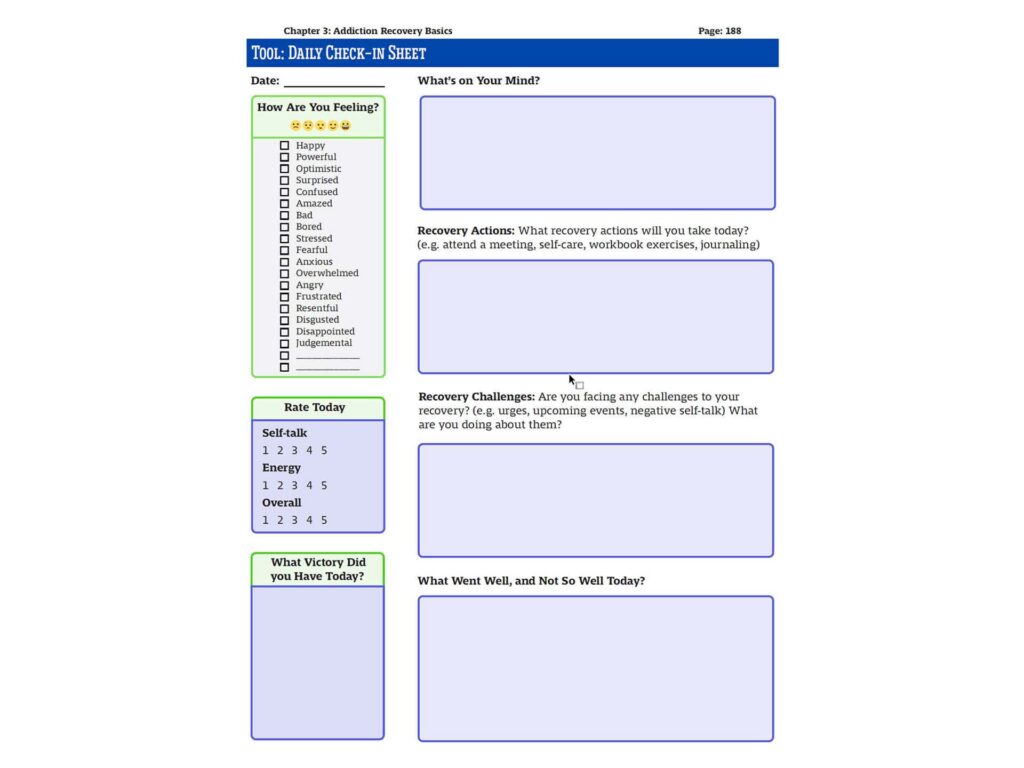
While these tips offer a great starting point, lasting change requires continuous effort and tools that can guide and support you along the way. Consider enhancing your journey with the Refresh and Renew: 21-day Maintenance Recovery Plan workbook.
This resource complements your efforts and offers structured support as you refresh your recovery practices.
Challenge Yourself: Don’t let your recovery journey grow stagnant. Choose one or two tips from today’s article to implement this week. Monitor how these changes affect your feelings about recovery and your daily life. Are you feeling more engaged, energized, and connected? Use these insights to refine your approach continually.
Remember, recovery is not a passive process but an active pursuit of a better, sober life. Let’s make recovery not just something you do but a reflection of who you are becoming—empowered, renewed, and fully alive. Your best life awaits, and it’s yours for the taking.
Conclusion
As you revitalize your recovery routine with these dynamic tips, remember that the essence of recovery is growth and renewal. By actively engaging with each aspect of your journey, you create a rich tapestry of experiences that prevent relapse and profoundly enhance your life.
Embrace the opportunity to experiment with your routine, learn from new groups, contribute meaningfully in meetings, challenge your mind, and enjoy the company of others in sober settings. Let each step be a building block towards a stronger, more resilient you.
Recovery is not just about avoiding alcohol; it’s about building a life so engaging, so fulfilling, and so connected that alcohol becomes irrelevant. You make your recovery sustainable and enjoyable by infusing your daily routine with creativity, enthusiasm, and intentional action.
Stay curious, stay active, and remain committed to your journey. Every day is a chance to shape the sober life you’ve envisioned, filled with joy, purpose, and fulfillment. Remember, every small change you make in recovery is a big step towards your best life.
Key Takeaways for Success at Your First Social Event Without Drinking
Embarking on social events without alcohol can be daunting, but with the right strategies, you can navigate them confidently and enjoyably. Here are the essential tips to help you stay comfortable and relish every moment sober:
Prepare mentally and logistically: Reinforce your reasons for sobriety and familiarize yourself with event details to build confidence.
Bring a Sober Buddy: Having a supportive friend at your side can help you navigate the event more comfortably and confidently.
Have an Exit Strategy: Knowing you can leave anytime gives you control over your environment and keeps you at ease.
Practice Your Responses: Being ready with a few go-to phrases for declining drinks can prevent awkward moments and keep you focused on your sobriety.
Engage fully in the Event: Focus on the people, the conversations, and the activities, not the drinks. Your primary goal should be to enjoy the event.
Implement these strategies to enjoy your social engagements fully and reaffirm your commitment to a sober lifestyle.
Now, let’s explore these key points further to see how they can be effectively applied in various social settings.
Introduction
Are you nervous about attending your first social event without drinking? I was, too.
Attending your first event sober marks a pivotal milestone in the journey of recovery. It’s a testament to courage and a step toward reclaiming the joy of life without the crutch of alcohol or other substances. Whether it’s a local play, a family gathering, a wedding, or a work party, these occasions can stir up a mix of emotions—from excitement to anxiety. Many worry about facing the pressure of socializing without the familiar buffer of a drink in hand, questioning, “Can I really enjoy myself?”
I remember my first sober event vividly. It was a local theater production of The Best Little Whorehouse in Texas. Previously, such an outing would have included several drinks before even arriving and continuous drinking throughout. But this time was different. As I walked into the theater, nervously passing the beckoning bar, I was filled with a mix of dread and determination. What unfolded next was an enriching experience that remains etched in my memory more than six years later.
This article will explore practical strategies to help you prepare for and navigate your first sober event. These tips empower you to attend and genuinely enjoy many such gatherings and find new ways to connect with the world and the people around you. Let’s dive into how you can make your first sober event successful, drawing from personal insights and tried-and-true strategies.
Preparation is Key
Before stepping into a social event, preparing mentally and logistically can significantly ease your anxiety and boost your confidence:
Mental Preparation: Start by reaffirming your reasons for sobriety. Remind yourself of the benefits you’ve experienced since deciding to stay sober, and set a clear intention to enjoy the event without alcohol.
Planning Ahead: Familiarize yourself with the details of the event. Know who will be there, what the atmosphere will be like, and whether alcohol will be served. If possible, plan to bring or request non-alcoholic beverages so you have a go-to drink in hand.
Bring a Sober Friend
Having a friend who supports your sobriety can be invaluable:
A sober buddy not only provides moral support but can also help navigate tricky social situations where alcohol is involved. They can be your partner in finding other ways to enjoy the event and a buffer against any social pressure to drink.
Have an Exit Strategy
Sometimes, the best plan is knowing when to leave:
Plan for an Early Departure: Leaving early is okay if the event becomes overwhelming. Prepare a polite excuse or a reason if you feel the need to explain your early exit.
Ready Responses: Have a few responses prepared for why you are leaving early if you choose to share them. This preparation can help you exit smoothly without discomfort.
Practice Your Responses
Knowing what to say beforehand can reduce the stress of turning down a drink:
Declining Drinks: Practice polite but firm ways to say no to alcohol. Phrases like “I’m driving tonight” or “I’m not drinking today” can be effective.
Handling Questions: If someone inquires why you’re not drinking, decide in advance how much you’re comfortable sharing about your journey to sobriety.
Focus on the Event, Not the Alcohol
Consciously plan to engage more deeply with the event itself:
Participate Actively: Join in activities that don’t revolve around drinking. Dance, engage in conversations, or participate in games.
Enjoy the Details: Take the time to appreciate the nuances of the event—the decor, the music, the food. Let these experiences enrich your time there.
Hypothetical Example: First Sober Wedding at a College Friend’s Celebration
Imagine attending the wedding of your best friend from college. College days were filled with late-night parties and heavy drinking, so the thought of attending this wedding sober might initially fill you with a mix of nostalgia and nervousness. The wedding is set in a charming vineyard—an ironic twist given your current sober path. As you prepare for the event, various emotions bubble up: excitement to reconnect with old friends, but also anxiety about facing this social scene without the buffer of alcohol.
Here’s how you strategically navigate the event:
Preparation is Key: Days before the event, you remind yourself why you chose sobriety and how much your life has improved. You review the wedding itinerary, noting the reception and cocktail hour, and plan to sip on ginger ale or a mocktail during these times.
Bring a Sober Friend: You bring a mutual friend from college who embraces sobriety. Having them by your side boosts your confidence and ensures you have someone to share the experience with who understands your journey.
Have an Exit Strategy: You and your sober friend agree on a signal, just in case either of you feels the need to step out for a breather or leave early. Knowing you have a plan to exit makes you feel secure.
Practice Your Responses: On the drive over, you rehearse a few lines for declining drinks: “I’m sticking to non-alcoholic tonight,” and for the curious, “I’ve found I enjoy these special moments more when I’m fully present.”
Focus on the Event, Not the Alcohol: You immerse yourself in the festivities at the wedding. You savor the exquisite vineyard setting, the laughter and speeches that bring back memories, and you hit the dance floor, relishing the music and the company of good friends. The night unfolds beautifully, and the connection with the people and the place enriches your experience.
As the event concludes, you find yourself not only having navigated the wedding without alcohol but having thoroughly enjoyed it. You leave feeling proud and happy, reminded that sobriety does not diminish joyous occasions but can deepen your appreciation.
Call to Action
Now that you’ve seen how preparation and mindful strategies can help you successfully navigate your first sober event, why not deepen your journey with the Life Beyond the Bottle – The Addiction Recovery Workbook? This comprehensive guide is filled with practical strategies, tools, and exercises drawn from years of personal experience and leadership in SMART Recovery meetings. It’s designed to support you through every stage of your recovery, from initial steps to maintaining long-term sobriety.
Why wait to transform your life? Leverage these tips at your next social gathering and use the workbook to reinforce your learning and strengthen your resolve. Remember, every event you attend sober is a victory and an affirmation of your commitment to a healthier, more straightforward life. Sobriety doesn’t mean isolation—it means experiencing life more fully and authentically.
Conclusion
Navigating your first sober event can be daunting but rewarding. With the right strategies in place, you can not only attend but truly enjoy these occasions without alcohol. Embrace these moments with confidence, knowing that each step you take is a testament to your strength and commitment to recovery. Reflect on your experiences, learn from them, and continue to grow. Sobriety isn’t just about avoiding alcohol; it’s about rediscovering how to enjoy life’s moments to their fullest.
Key Takeaways: 25 Tips to Conquer Alcohol Addiction
Welcome to your essential guide to maintaining sobriety. This concise list of key takeaways from our detailed article provides a quick overview of 25 strategic tips to support your recovery journey. Each point briefly summarizes a crucial aspect of recovery, giving you a snapshot of the tools and strategies discussed in greater depth below.
Embrace the One Day at a Time Philosophy: Focus on sobriety one day at a time to manage challenges more easily.
Work on Your Recovery Daily: Engage in daily activities that support your recovery journey.
Join an Addiction Recovery Support Group: Gain strength and support from group settings with others who understand your struggles.
Focus on Gains, Not Losses: Shift your perspective to appreciate the gains of sobriety over the losses.
Confront Doubts: Acknowledge and address doubts as a regular part of recovery.
Maximize Your Time: Fill your time with productive and fulfilling activities.
Be Hyper-Aware of Triggers, Urges, and Cravings: Recognize and manage your triggers to maintain sobriety.
Create a List of Relapse Early Warning Signs: Identify and monitor signs that may lead to relapse.
Develop a Personal Support Network: Cultivate relationships that support and enhance your recovery.
Practice Regular Self-Care: Prioritize self-care to support physical and mental health.
Don’t Let Relapse Ruin Your Recovery: Use relapse as a learning opportunity rather than a setback.
Reflect and Heal: The Power of Journaling: Journaling clarifies thoughts and tracks your recovery journey.
Strengthen Your Recovery: The Benefits of Individual Counseling: Utilize professional counseling to navigate recovery more effectively.
Enhance Recovery: Exploring Medication-Assisted Treatment Options: Consider medications to help manage cravings and support sobriety.
Cultivate Resilience: Adopting a Growth Mindset in Recovery: Embrace challenges and failures as opportunities for growth.
Empower Your Recovery: The Importance of Educating Yourself About Addiction: Build knowledge to empower your recovery and understand addiction.
Navigate with Caution: Planning for Risky Situations in Sobriety: Prepare strategies to avoid and manage high-risk scenarios.
Honor Your Progress: Celebrate Every Victory in Sobriety: Recognize and celebrate each success along your recovery path.
Cultivate Your Circle: Building a Supportive Social Network in Sobriety: Surround yourself with positive influences and supportive relationships.
Strengthen Your Recovery: The Role of Exercise in Sobriety: Use physical activity to improve mental health and manage stress.
Maintain Your Ground: The Importance of Setting Boundaries in Sobriety: Set and enforce boundaries to protect your recovery.
Center Your Sobriety: The Benefits of Mindfulness and Meditation: Integrate mindfulness and meditation to enhance self-awareness and emotional regulation.
Stay Vigilant: The Importance of Regular Reflection and Adjustment in Recovery: Regularly reflect on your progress and challenges to adapt your recovery strategies.
Sustain Your Resolve: Reinforcing Your Commitment to Recovery: Continuously renew your commitment to recovery and sobriety.
These key takeaways are your gateway to a deeper understanding and practical application of recovery strategies. As you move forward into the article, you’ll find detailed discussions on each point, providing you with comprehensive guidance to survive and thrive in your journey to sobriety. Let’s dive deeper into each tip and explore how to strengthen your path to a fulfilling, sober life.
Introduction
Hello, I’m Wayne Ergle. My battle with alcohol spanned over two decades, peaking at two bottles of vodka a day before I claimed victory over addiction in June 2018. Now, I have dedicated my life to helping others find their path to sobriety. Overcoming alcohol addiction is not just about putting down the bottle; it’s a profound journey of self-discovery and resilience.
You’re embarking on a transformative path, and whether you’re freshly sober or already advancing in your recovery, maintaining your sobriety will demand continuous effort and smart strategies. That’s why I’ve compiled these 23 essential tips. They’re designed not just to keep you sober but to ensure you thrive in your new life beyond addiction. These insights will guide you through the challenges, help you celebrate your victories, and aid you in building a fulfilling, alcohol-free life you cherish.
From taking life one day at a time to assembling a robust recovery toolkit, each piece of advice is based on proven strategies that have helped many, including myself. So, let’s start this journey together and explore how you can stay sober and excel in every aspect of your new life.
1. Embrace the One Day at a Time Philosophy
Imagine waking up each morning and deciding that today, and only today, you will stay sober. It’s about giving yourself permission not to worry about forever but to focus on the now. This one-day-at-a-time philosophy simplifies your sobriety journey into manageable, achievable goals.
Daily Commitment: Each morning, renew your commitment to stay sober for just that day. This approach prevents the overwhelm of long-term expectations.
Accumulate Success: Like coins in a jar, every sober day adds up. You build a treasure of sober days that, over time, forge a resilient, sober life.
Start Small, Think Big: Remember, every monumental journey begins with a single step. Today’s commitment is your step towards a bigger goal.
By embracing the one-day-at-a-time philosophy, you transform the daunting challenge of lifelong sobriety into a series of single, manageable days. This strategy isn’t just about coping—it’s about thriving in your sobriety, each day acting as a stepping stone to the next. Decide to try, just for today, and let these days stack up into weeks, months, and years of success.
2. Work on Your Recovery Daily
I believe engaging in some form of recovery work is critically important every day. This might sound daunting—who has the time, right? However, daily recovery isn’t limited to attending meetings, though they are a great default. Anything done in the name of recovery counts, whether self-care, exercise, or even taking a class.
Variety in Recovery: Expand your notion of recovery activities. Yoga, reading recovery literature, or spending time on a hobby can all be part of your healing process.
Integrate Recovery into Daily Life: Find ways to incorporate recovery actions into your daily routine. This might be meditation in the morning, a workout at lunch, or journaling before bed.
Every Little Helps: Remember, no action towards recovery is too small. Regularly engaging in recovery activities, no matter how minor they seem, builds resilience and reinforces your commitment to sobriety.
Daily addiction recovery work helps you maintain focus on your sobriety goals and keeps the foundation of your recovery strong. It’s about making recovery a natural part of your life. Over time, these activities become a habit and a critical component of your day that you look forward to. This approach ensures that your commitment to sobriety is renewed daily, providing a steady path to long-term recovery.
3. Join an Addiction Recovery Support Group
Human beings are inherently social; we thrive on connection. When you’re working to stay sober, joining a support group can serve as the anchor that keeps you grounded. It’s a powerful reminder that you’re not alone on this journey. Whether it’s AA, SMART Recovery, or another group, these communities provide a vital space for mutual support.
Shared Experiences: In these groups, you regularly hear and share stories that likely mirror your own. This shared journey helps diminish feelings of isolation and reinforces a collective pursuit of sobriety.
Learn from Peers: Support groups offer a unique opportunity to learn from the experiences of others either at the same stage or further in their recovery. This can be invaluable as you navigate your path.
Guidance and Support: One of the most critical aspects of support groups is the access to mentors who have been where you are. Their insights and advice can provide guidance and encouragement that is hard to find elsewhere.
Joining a support group connects you to a community of individuals who understand the challenges of recovery. It’s not just about attending meetings; it’s about building a network of support that carries you through moments of doubt and celebrates your successes. This connection is often the key to sustained sobriety, providing a safety net and a source of constant motivation.
4. Focus on Gains, Not Losses: The Positive Shift in Recovery
When choosing sobriety, it can often feel like you’re giving up a lot—like saying goodbye to an old friend or losing your escape hatch. But it’s important to recognize that alcohol, while seemingly offering temporary solace, is not a true solution. Instead, focusing on the gains rather than the losses can significantly shift your perspective and enhance your recovery experience.
Discover True Freedom: Sobriety brings the true freedom of not being tied down by the need for alcohol. You gain control over your choices and actions, leading to a more authentic life.
Improved Health and Vitality:Without alcohol, your body begins to heal. You’ll notice improvements in physical health, mental clarity, and overall energy, allowing you to enjoy life more fully.
Enhanced Relationships: Sobriety allows you to build deeper and more meaningful relationships. Being present and reliable improves trust and connection with loved ones.
New Hobbies and Interests: Recovery opens the door to new activities and passions. With a clear mind and more time, you can explore interests previously overshadowed by drinking.
Embracing sobriety is not about what you lose but what you gain: health, freedom, relationships, and new passions. These gains contribute to a richer, more satisfying life in recovery, proving that your achievement is far greater than anything left behind.
5. Accept and Address Doubts
The journey to sobriety is bound to encounter turbulence, and doubt is often part of that. It’s completely natural to question the value of your efforts and the sacrifices you’re making. However, rather than suppressing these doubts or letting them grow, confronting them directly is essential for continued progress.
Embrace Vulnerability: Recognize that having moments of doubt is perfectly normal. Accepting these feelings as part of your journey allows you to address them without judgment.
Uncover the Roots: Reflect on what might be causing your doubts. Is it stress from a recent event or perhaps unresolved emotions? Identifying the source can help you find the appropriate response.
Seek Support: You don’t have to face your doubts alone. Turn to your support network or professional for perspectives to help you navigate these challenging moments.
Positive Reinforcement: Remind yourself of the reasons you chose sobriety and the benefits you’ve already experienced. This can reinforce your resolve and help quell doubts.
Understanding and addressing doubts as they arise ensures they don’t derail your recovery efforts. By actively managing these feelings, you maintain control over your sobriety and continue building a healthier, happier life.
6. Maximize Your Time: Engage in Productive Activities
Idle time can be one of the biggest challenges in maintaining sobriety. Finding yourself at a loose end is easy, which can open the door to temptation. Actively filling your time with productive, fulfilling activities isn’t just about keeping busy—it’s about enhancing the quality of your sober life.
Explore New Hobbies: Consider hobbies that you might not have had time for in the past. Whether playing a musical instrument, painting, or gardening, engaging in new activities can bring joy and a sense of accomplishment.
Join Community Groups: Activities like joining a book club or a local sports team fill your time and connect you with like-minded individuals who can provide additional support and camaraderie.
Set Goals: Create small, achievable goals related to your new activities. This gives you something to strive for and can help maintain your motivation.
Learn and Grow: Use your time to learn something new. Online courses, workshops, or self-study can be incredibly rewarding and lead to new opportunities in your personal and professional life.
By filling your time with productive activities, you keep idle thoughts at bay and build a richer, more engaging life. This approach helps solidify your sobriety by integrating enjoyable and rewarding activities into your everyday routine.
7. Be Hyper Aware of Triggers, Urges, and Cravings
In recovery, being vigilant about triggers, urges, and cravings is crucial. These are not just minor hurdles but significant challenges that can sway you toward old habits. Recognizing and actively managing them is essential for maintaining your sobriety.
Identify Your Triggers: Understand what sets off your cravings. It could be a location, a specific social setting, certain people, dates, events, or even particular emotions. Awareness allows you to prepare and avoid knee-jerk reactions.
Anticipate and Plan: Once you know your triggers, make plans to handle them. If a particular friend’s party usually involves alcohol, plan either to skip it or bring a sober friend along for support.
Develop Coping Strategies: Have a set of ready strategies for handling urges and cravings. These could include calling a friend, engaging in a distracting hobby, or practicing mindfulness and deep breathing exercises.
Remember, They Are Temporary: Urges and cravings can feel overwhelming, but reminding yourself that they are temporary and will pass can help you manage them more effectively.
Staying hyper-aware of what triggers you and how you react to those triggers can give you the upper hand in maintaining your recovery. It’s about knowing yourself, preparing accordingly, and having the tools ready to deal with these challenges as they arise.
8. Create a List of Relapse Early Warning Signs
Relapse in addiction recovery doesn’t usually strike out of the blue; it’s typically a gradual process influenced by a series of subtle but dangerous signals. Recognizing these early warning signs is your first line of defense in maintaining sobriety. By being proactive, you’re setting yourself up to navigate potential pitfalls successfully.
Personalize Your Warning Signs: Reflect on your unique experiences in recovery. What situations, emotions, or behaviors have previously edged you closer to relapse? This could be anything from a shift in mood, pulling away from your support network, neglecting self-care, or reconnecting with harmful friendships.
Include Behavioral Cues: Be alert to complacency, such as the misleading sense of security that might lead you to skip therapy sessions or support group meetings, thinking you no longer need them.
Document and Share: Compile these insights into a comprehensive list. Discuss this list with your therapist, counselor, or support group to gain further insights and develop robust strategies for addressing each sign.
Keep It Accessible and Current: Store this list in an easily accessible place, like a note on your phone or a card in your wallet, and make it a habit to review and update it regularly. As you evolve in your recovery, your warning signs may change, and new ones may emerge.
By maintaining an updated list of relapse early warning signs, you empower yourself with knowledge and preparedness. This ongoing awareness helps you stay vigilant and responsive to any shifts that might jeopardize your sobriety, ensuring you are always a step ahead in your recovery journey.
9. Develop a Personal Support Network
Recovery is not a journey to be walked alone; it thrives on support from friends, family, and those who have walked similar paths. This network of understanding and empathetic individuals can be your cornerstone, providing hope and strength as you navigate the path to staying sober. Building a robust personal support network turns a daunting task into a shared, enriching experience.
Communicate Openly: Start by sharing your commitment to sobriety with those close to you. Help them understand your triggers, boundaries, and motivations. The more they know, the better they can support you.
Foster Reciprocal Relationships: Recovery is a two-way street. Engage with your support network by sharing your experiences and listening to theirs. This mutual exchange builds trust and ensures they’re there when you need them most.
Expand Your Circle: Participate in community groups or activities that align with your interests, such as art classes or hiking clubs. These settings are ideal for meeting people who share your passions and can provide support through common interests.
Diversify Your Network: While connections from rehab or support groups are invaluable, having friends outside of these circles is also important. They can offer new perspectives and help you integrate your sobriety into all aspects of life.
A well-nurtured support network offers emotional strength and practical help and enriches your recovery journey, making it more sustainable and joyful. The time and effort invested in these relationships pay off immensely, providing a foundation of support that celebrates every step of your progress in sobriety.
10. Practice Regular Self-Care
To stay sober, it’s crucial not to overlook one key player: yourself. Self-care is more than a trendy concept—it is a cornerstone of sustainable recovery. It involves tuning into your mental and emotional needs and responding to them appropriately. By nurturing yourself, you lay down a foundation that supports your sobriety.
Self-care looks different for everyone. It might be losing yourself in a good book, relaxing in a hot bath after a long day, or taking a quiet walk in nature. The important thing is to identify what rejuvenates you and make it a consistent part of your life.
Here are some essential self-care strategies:
Mindful Meditation: Spend a few minutes daily to center your thoughts. This can help reduce stress, clear your mind, and connect you with the present moment.
Physical Activity: Engaging in physical activities, whether a light jog, a yoga session, or an intense workout, helps release endorphins—your body’s natural mood elevators.
Healthy Eating: What you eat affects how you feel. Nourishing your body with healthy foods ensures it functions at its best and supports your mental and emotional well-being.
Engage in Hobbies: Rediscover old passions or explore new ones. Activities you love can serve as a creative outlet and boost your happiness.
Rest: Prioritize good sleep and allow yourself short naps when needed. Adequate rest is vital for your physical health and mental clarity.
Seek Professional Help: If you feel overwhelmed, seek help from a therapist or counselor. They can provide personalized tools and strategies for managing your challenges effectively.
Prioritizing self-care is not selfish; it is essential. By taking care of your well-being, you build resilience against relapse and enhance the quality of your life during sobriety.
11. Don’t Let Relapse Ruin Your Recovery
While not inevitable, relapse is a common occurrence in the journey of recovery. It’s crucial to understand that a relapse doesn’t signify total failure; instead, it can be a vital learning opportunity.
View Relapse as a Step: Instead of seeing a relapse as a collapse back to square one, consider it a misstep in the overall recovery journey. This perspective can prevent you from falling back into old, destructive habits.
Analyze What Happened: Take the time to carefully analyze the events and choices that led to the relapse. Understanding these triggers and responses is critical to preventing future occurrences.
Adjust Your Recovery Plan: Use the insights gained from analyzing your relapse to make informed adjustments to your recovery strategy. This might involve strengthening your support network, revisiting coping strategies, or identifying new triggers.
Recommit to Your Journey: A relapse is an opportunity to reaffirm your commitment to sobriety. Each challenge faced along the way can deepen your resolve and enhance your strategies for staying sober.
Remember, recovery is a process fraught with challenges and setbacks, but each step, whether forward or backward, provides valuable lessons. Embracing relapse as a part of the learning curve can help you fortify your commitment and refine your approach to maintaining sobriety.
12. Reflect and Heal: The Power of Journaling
Journaling in addiction recovery is a therapeutic practice that involves transferring thoughts from mind to paper. It can play a pivotal role in the recovery process. There is something inherently healing about expressing oneself through written words.
Clarify Thoughts and Feelings: Writing down what you think and feel can help clarify your emotions and thoughts, making them easier to understand and manage.
Track Progress and Setbacks: Keeping a journal allows you to document your journey and track progress and setbacks. This can provide valuable insights into patterns and triggers, and it’s encouraging to see how far you’ve come.
Reduce Stress: Writing can be a great stress reliever. It lets you express your frustrations and anxieties in a safe, private space.
Enhance Self-Reflection: Regular journaling encourages deep self-reflection, helping you to analyze your actions and decisions and consider how they align with your recovery goals.
Boost Mental Clarity: Getting thoughts out of your head and onto paper can clear your mind, reduce overwhelm, and help you focus on your recovery.
Incorporating journaling into your daily routine can significantly enhance your emotional and psychological well-being, aid recovery, and provide a private venue for personal expression and self-discovery.
13. Strengthen Your Recovery: The Benefits of Individual Counseling
Sustaining sobriety often requires more than personal resolve; external guidance can be a crucial component of a successful recovery strategy. Individual counseling provides a supportive environment tailored to your unique journey and offers numerous benefits.
Personalized Guidance: Counseling offers a safe space for introspection and personal growth, with strategies and solutions specifically tailored to your needs and challenges.
Skill Building: Work with a counselor to develop skills for managing stressors, controlling cravings, and confidently navigating social situations.
Structured Accountability: Regular sessions with a counselor create a framework of accountability that can motivate you to stay committed to your recovery goals.
Emotional Support: Counselors provide emotional support, helping you work through feelings and situations that might otherwise compromise your sobriety.
Engaging in individual counseling is a proactive step toward strengthening your recovery. It provides the tools and support necessary to maintain sobriety in the face of life’s challenges.
Medication-assisted treatment (MAT) can be a valuable component of a comprehensive recovery plan, particularly when combined with other therapeutic approaches. These medications can significantly reduce cravings for alcohol and address co-occurring issues such as depression and anxiety, which often contribute to substance use.
Craving Reduction: Medications like Naltrexone are specifically designed to reduce the craving for alcohol, helping you maintain sobriety.
Mental Health Support: Certain medications can also treat underlying mental health conditions like depression and anxiety, which may decrease the desire to drink.
Comprehensive Strategy: When paired with counseling, support groups, and lifestyle changes, MAT can provide a robust approach to sustaining recovery.
Supervised Use: It is crucial to use these medications under the supervision of a healthcare professional to ensure safety and effectiveness.
Incorporating medication-assisted treatment as part of your recovery journey offers a supportive tool that, when used responsibly and under medical guidance, can enhance your ability to stay sober and improve your overall well-being.
15. Cultivate Resilience: Adopting a Growth Mindset in Recovery
The growth mindset concept, popularized by psychologist Carol Dweck, emphasizes that our abilities and intelligence can be developed through effort, learning, and persistence. This perspective is compelling in the context of addiction recovery, where overcoming a fixed mindset—”I’m just an addict” or “I can’t change”—is crucial.
Here’s how embracing a growth mindset can significantly support and reinforce your sobriety:
Recognize the Potential for Change: Acknowledge that change is possible and within your reach. Every day presents a new opportunity to learn, grow, and better yourself.
Embrace Challenges and Failures: View challenges and setbacks not as obstacles but as essential parts of your growth. A relapse or tough day doesn’t define your worth; it provides lessons to build upon.
Stay Curious: Maintain an open and inquisitive approach to recovery. Continuously seek new information, ask questions, and explore different recovery strategies and support structures. This keeps you actively engaged and evolving.
Value the Journey: Focus on appreciating the recovery process, not just the outcome. The experiences and lessons learned along the way are valuable parts of your transformation.
Seek Feedback: Build and maintain a support network that provides honest and constructive feedback. This can help you see where you might improve and clarify your path forward.
Celebrate Growth: Take time to recognize and celebrate every small victory and sign of personal growth. Whether it’s handling a trigger differently or seeking help during a craving, every step forward is a success.
Adopting a growth mindset doesn’t minimize the challenges of recovery. Instead, it transforms your perspective, allowing you to view every difficulty as an opportunity to grow. This mindset encourages a richer, more proactive approach to staying sober and thriving in all areas of your life.
16. Educate Yourself About Addiction
Knowledge is indeed a powerful ally, especially when overcoming addiction. By educating yourself about the nature of addiction and the diverse treatment options available, you equip yourself with vital tools to navigate and sustain recovery. Understanding addiction profoundly can transform your approach and significantly bolster your efforts to stay sober.
Understanding the Science: Learning about how addiction affects the brain and body helps demystify the condition. It reveals that addiction is not a moral failing but a complex condition influenced by biological, environmental, and personal factors.
Identifying Reliable Sources: Knowing where to find accurate, evidence-based information is crucial in a world of misinformation. Trustworthy resources like those from SAMHSA (Substance Abuse and Mental Health Services Administration) provide reliable guidance.
Strengthening Resolve: Armed with knowledge, you can better understand your challenges, such as potential relapse triggers and effective coping strategies, which are essential for maintaining sobriety.
Exploring Treatment Options: Understanding the full spectrum of available treatments, from outpatient support to family therapy and medication-assisted treatments, allows for more tailored and effective choices in your recovery journey.
Empowering Conversations: When equipped with accurate information, you can confidently address questions from others, share insights, and advocate for awareness and understanding, thus challenging and correcting misconceptions.
Reinforcing the Commitment: Continually learning about addiction, its impacts, and recovery success stories can reaffirm your reasons for choosing sobriety, reinforcing your commitment every day.
The more informed you are, the better prepared you’ll be to face recovery challenges. While you don’t need to become an expert, being well-informed empowers your journey and strengthens your resolve to maintain a sober life.
17. Navigate with Caution: Planning for Risky Situations in Sobriety
Proactive thinking is often the linchpin in maintaining sobriety. By preparing in advance to extricate yourself from potentially triggering situations, you significantly enhance your ability to stay sober. Here’s how you can effectively plan for and navigate such scenarios:
Recognize Your Triggers: Understand that triggers can vary widely. Whether it’s a social setting where alcohol is prevalent, certain places, or specific people, it’s essential to reflect on your experiences and identify what tempts you. Develop strategies to steer clear of these triggers.
It’s Okay to Say ‘No’: Prioritize your recovery by feeling empowered to decline invitations to events that pose a risk to your sobriety. True friends and supportive family will respect your decision to avoid these situations.
Have an Exit Strategy: Always have a backup plan for exiting situations that might unexpectedly expose you to triggers. This could involve having a trustworthy friend who knows your triggers and can help you leave or a prepared reason for an early departure.
Communicate with Loved Ones: Keep your support network informed about your feelings and the challenges you anticipate facing. Having a confidant at a social event can provide additional support and reassurance.
Carry Non-Alcoholic Alternatives: Keeping a non-alcoholic drink in hand can deflect attention and unwanted offers of alcohol, providing a simple but effective buffer in social settings.
While avoiding every risky situation is easier said than done, it is crucial to recognize that this is part of a continuous learning process. Over time, and with strengthened sobriety, managing these situations will become more straightforward. This proactive approach is critical to navigating your recovery journey successfully.
18. Honor Your Progress: Celebrate Every Victory in Sobriety
Each milestone is a significant achievement on the journey to sobriety, no matter how small. While preparing for the challenges is crucial, celebrating your victories is equally important. Here’s why acknowledging every win is vital and how you can make sure to honor each one:
Reinforcing Positive Behavior: Every time you celebrate a victory, you reinforce the positive behaviors that got you there. This strengthens your commitment to sobriety and encourages continued progress on your journey.
Boosting Self-Esteem: Sobriety can be daunting, and doubts may arise. Celebrating your successes helps to remind you of your capabilities, boosts your self-esteem, and reaffirms your reasons for choosing a sober life.
Creating a Positive Feedback Loop: Acknowledging and celebrating your successes fosters a positive feedback loop. The joy and pride from these celebrations motivate continued efforts and make the journey smoother.
Building Resilience: By focusing on the positive and celebrating what you’ve achieved, you better equip yourself to handle future challenges. Positive memories and achievements can serve as a reservoir of strength in tough times.
Ways to Celebrate: Celebrations don’t have to be grand. They can be as simple as treating yourself to a favorite meal, buying a new book, taking a day off for self-care, or sharing your progress with a friend or in your journal.
Stay Connected with Your Support Network: Share your milestones with those who support you. They can help you recognize and celebrate victories you might overlook and will often be your most enthusiastic cheerleaders.
Every day of sobriety, each challenge overcome, and every healthy choice you make is a victory. Embrace these moments wholeheartedly and celebrate them. They are the foundational blocks of your new, sober life, each one a step towards lasting change.
19. Build a New, Supportive Social Circle
In recovery, the saying that you are the average of the five people you spend the most time with holds true. The influence of your social circle can be profound, impacting your mindset, decisions, and overall well-being. Here’s why it’s crucial to build a supportive social circle and some strategies to ensure it aids your sobriety:
Distance from Negative Influences: It’s vital to step back from relationships with people who might trigger your addiction or who don’t support your recovery. Prioritize your well-being by minimizing contact with such individuals.
Seek Out Supportive Relationships: Surround yourself with people who understand your journey and are actively supportive. This may include members of support groups, participants in sober social clubs, or new friends who lead substance-free lifestyles.
Rekindle Old Friendships: Addiction can strain relationships with family and friends who might have been supportive before. Reaching out to repair and rebuild these relationships can provide a strong support network.
Engage in New Activities: Participate in community activities, clubs, or volunteering opportunities. Such engagements can introduce you to people who share similar interests and values, helping to establish connections based on more than just past substance use.
Consult with Professionals: Maintain regular contact with counselors or therapists who can help you develop and sustain healthy relationships and discern which connections are genuinely beneficial.
Value Quality Over Quantity: Focus on the quality of your relationships rather than the number. A smaller, more genuine social circle can offer stronger support and positively contribute to your recovery journey.
Actively shaping a supportive social environment is critical to creating a fulfilling life where sobriety is sustained. By carefully choosing those you surround yourself with, you significantly enhance your ability to stay sober and enrich your life.
20. Strengthen Your Recovery: The Role of Exercise in Sobriety
A healthy body fosters a healthy mind, a principle especially true in the journey to sobriety. Physical well-being and mental resilience are not just parallel benefits of exercise; they amplify each other, making physical activity a formidable ally in maintaining sobriety.
Here’s how a regular exercise routine can bolster your path to staying sober:
Release of Endorphins: Engaging in activities like walking, running, or yoga causes your body to release endorphins, natural mood enhancers that combat feelings of depression and anxiety often encountered during recovery.
Natural Stress Reliever: Exercise is an effective way to alleviate stress, a common trigger for relapse. Channeling tension into physical activity helps manage stress and builds resilience against future challenges.
Restorative Sleep: Consistent exercise improves sleep quality, vital for mental clarity and emotional stability. Better sleep equips you to face new challenges with a refreshed mind and body.
Rebuilding Self-Esteem: Achieving fitness goals provides a sense of accomplishment, which can significantly boost self-esteem that might have been compromised during periods of addiction.
Structure and Routine: Incorporating regular exercise into your daily schedule adds structure and minimizes idle time that could lead to relapse, offering a constructive distraction.
Social Interaction: Participating in group sports, dance classes, or walking groups opens up opportunities for social interactions, helping you to forge a new, supportive network.
While the benefits of exercise are clear, it’s important to approach your fitness journey with balance. Avoid overexertion and choose activities you enjoy, making exercise a rewarding part of your routine rather than a chore. By prioritizing physical activity, you’re enhancing your physical health and reinforcing your mental fortitude, equipping yourself with an essential tool for sustained sobriety.
21. Maintain Your Ground: The Importance of Setting Boundaries in Sobriety
Setting clear boundaries is a critical strategy for maintaining sobriety. By clearly defining your limits with certain people and places, you significantly bolster your ability to continue your recovery path successfully. Here’s why establishing and enforcing boundaries is essential:
Triggers and Associations: Identify locations and individuals linked to past substance use. These can trigger intense cravings or emotional reactions that jeopardize your sobriety. Recognizing and avoiding these triggers is critical.
The Role of Assertiveness: Setting boundaries doesn’t mean isolating yourself; it means being assertive about your needs. For instance, if offered a drink at a social event, it’s important to decline confidently.
Staying Away from Temptation: While building resilience is essential, avoiding situations where temptation is overwhelming is also wise. If a particular social setting poses a significant risk to your sobriety, it might be best to avoid it.
Re-evaluating Relationships: If certain relationships do not support your recovery efforts, re-evaluating or ending them may be necessary. Surrounding yourself with positive and supportive individuals can significantly enhance your ability to stay sober.
Seek Support When Challenged: When enforcing boundaries becomes difficult, lean on your support network for help. Whether it’s a friend, sponsor, or counselor, getting support can reinforce your resolve and provide necessary encouragement.
Remember That Recovery is Personal: Everyone’s triggers and boundaries differ. Trust your instincts and prioritize your well-being over social expectations or pressures.
Insurance Against Relapse: Firmly established boundaries reduce the risk of relapse by minimizing exposure to high-risk scenarios. This proactive measure is an integral part of maintaining sobriety.
Boundaries act as protective barriers that shield you from the influences that can derail your recovery. By setting and diligently maintaining them, you ensure your journey toward recovery is marked by consistent growth and empowerment.
22. Center Your Sobriety: The Benefits of Mindfulness and Meditation
Mindfulness and meditation are powerful tools in the sobriety toolkit, fostering a profound self-awareness and present-moment attention. Integrating these practices into your daily routine can dramatically enhance your ability to maintain sobriety. Here’s how mindfulness and meditation can transform your recovery experience:
Understanding the Self: Mindfulness increases your sensitivity to internal states—thoughts, emotions, and bodily sensations. This heightened awareness helps you recognize cravings, triggers, and emotional states that might lead to relapse, allowing you to address them proactively.
Grounding in the Present: Mindfulness teaches you to live in the present moment, which can be incredibly valuable for those in recovery. It helps divert attention from past regrets and future worries, which are common triggers for substance use.
Reducing Stress: Meditation practices like guided imagery or progressive muscle relaxation can significantly lower stress levels. By managing stress effectively, you decrease the likelihood of using substances as a stress response.
Enhancing Emotional Regulation: Regular mindfulness practice improves control over your emotional responses. This can reduce the impulse to use substances as a way to cope with uncomfortable feelings.
Incorporation in Recovery Programs: Recognizing the connection between mind and body, many recovery programs now include mindfulness and meditation as core components of treatment, helping individuals navigate the complexities of addiction recovery.
Getting Started: Start small if you’re new to these practices. Engage in short, guided meditations through online platforms or apps. Over time, as your comfort with the practice grows, you can explore more profound sessions or join local groups for communal support.
As you continue on your path to long-term sobriety, incorporating mindfulness and meditation can provide a stable foundation. These practices offer a reliable refuge in challenging times, guiding you through moments of uncertainty and reinforcing your commitment to a sober life.
23. Stay Vigilant: The Importance of Regular Reflection and Adjustment in Recovery
Regular reflection and self-awareness are cornerstones of effective recovery management, providing insight into your emotions, challenges, and overall progress. Introspection helps you celebrate successes and recognize and address difficulties before they escalate. Here’s why continual self-examination is crucial for maintaining sobriety:
Understanding Personal Progress: Reflect on your journey from the start of your recovery to the present to appreciate the full scope of your progress. Celebrating small victories and recognizing ongoing challenges can motivate and guide your path forward.
Identifying Warning Signs of Relapse: Early recognition of relapse triggers—such as changes in mood, increased stress, or nostalgic thoughts about past substance use—is vital. The sooner you identify these signs, the more effectively you can address them.
Embracing Vulnerability: It’s okay to acknowledge when things are tough. If you find yourself struggling or nearing a potential relapse, admitting this and seeking help is a sign of strength, not weakness.
Using Your Support Network: Leverage your support system, whether a counselor, support group or a trusted friend. Discussing your thoughts and concerns can provide clarity and reinforce your recovery efforts.
Considering Further Treatment: If introspection reveals significant challenges, it may be necessary to explore additional treatment options. This could mean revisiting a rehab facility for a refresher, seeking outpatient support, or even engaging in family therapy.
Remember That Recovery is Lifelong: Sobriety isn’t a final destination but an ongoing process. Regular reflection and proactive adjustments help ensure you are always prepared for the road ahead.
Incorporating regular reflection into your recovery routine is not just about keeping track of your progress—it’s about actively participating in your journey toward long-term sobriety. This ongoing vigilance and willingness to adapt as needed are key to building and sustaining a successful, sober life.
24. Reinforce Your Commitment to Recovery Regularly
The journey to recovery is indeed a marathon, not a sprint, requiring a continuous and steadfast commitment. It’s crucial to reinforce your dedication to staying sober over the long haul, not just during initial treatment or the early stages of sobriety. Here’s why your ongoing commitment is vital:
Embracing the Journey: Sobriety is marked by both triumphs and trials. Maintaining a solid commitment is essential as it is the foundation of your long-term success. Remembering why you started can motivate you to continue even on tough days.
Avoiding Complacency: After some time, it’s easy to feel secure in your sobriety. However, complacency can lead to lowered guard and potential relapse. Regular engagement with your support network, meeting attendance, and self-reflection are crucial to staying grounded.
Commitment Means Continuous Learning: Staying committed involves constantly educating yourself about addiction and recovery, exploring new sobriety maintenance techniques, and evolving your coping strategies.
Facing Challenges Head-On: Life will inevitably present challenges; your resolve to recover equips you to tackle this head-on, utilizing your accumulated skills and knowledge.
The Power of Accountability: Holding yourself accountable is a powerful element of commitment. Regular check-ins with a sponsor or therapist, keeping a journal, and setting and reviewing goals can all reinforce your dedication.
Seeking Support When Needed: There may be times when you need additional support. Whether it’s counseling, attending refresher courses in rehab, or reconnecting with your support groups, actively seeking help is a proactive part of maintaining your commitment.
Recovery is an ongoing process that demands resilience, strength, and an unwavering dedication to betterment. It’s about choosing your health and well-being every day, and every step forward reaffirms your commitment to a life free from addiction. As you navigate the complexities of this journey, remember that each day is a new opportunity to reinforce your commitment to yourself and those around you.
25. Assemble Your Arsenal: Building Your Recovery Toolkit
Creating a personalized recovery toolkit is essential in managing your journey toward sustained sobriety. As your needs evolve throughout recovery, it’s vital to continually adapt and expand this toolkit to include new strategies and resources that address your changing challenges and milestones.
Personalize Your Tools: Tailor your toolkit to fit your specific needs. Include contact information for support groups, a list of healthy distractions, and strategies for managing cravings.
Dynamic Adaptation: Your needs will change as you progress in your recovery. Regularly update your toolkit to include new coping mechanisms and resources that reflect your current challenges and successes.
Incorporate Professional Resources: Utilize professional and structured tools designed to support your recovery. For example, Life Beyond the Bottle – The Addiction Recovery Workbook is an invaluable toolkit component. This comprehensive workbook is crafted from years of experience and insights from leading SMART Recovery meetings. It offers over 600 pages of practical strategies, tools, and exercises to guide you through every stage of recovery.
Continuous Learning: Add new knowledge and resources to keep your toolkit dynamic. Books, articles, and other educational materials can provide ongoing support and inspiration.
Digital and Physical Elements: Your toolkit should include digital resources, such as apps and online support networks, and physical items, like journals and motivational reminders.
Embark on a transformative path to sobriety with Life Beyond the Bottle – The Addiction Recovery Workbook, your comprehensive resource designed to support every stage of your recovery journey. Drawing upon extensive personal experience and participation in SMART Recovery, this digital workbook offers practical strategies, tools, and exercises to navigate the complexities of addiction recovery, from initial steps to maintaining lasting sobriety. Featuring custom images and inspirational quotes, it empowers you to take control of your life and provides the guidance needed for a fulfilling, addiction-free future.
By assembling and continually updating your recovery toolkit, you ensure that you are always equipped with the resources necessary to face the diverse challenges of sobriety head-on. Each tool you add fortifies your commitment to recovery and enhances your ability to maintain a sober, healthy lifestyle.
Take Action
Are you ready to take control of your journey to sobriety? Each step towards recovery is a step towards freedom. Whether you are just starting or you’ve been on this path for a while, remember that it’s never too late to enhance your approach or introduce new strategies to your recovery plan.
Embrace the guidance, strategies, and community support offered at Life Beyond the Bottle. Dive into your recovery with an open heart and a clear mind, and remember that every day presents a new opportunity to strengthen your commitment to a sober, fulfilling life.
Conclusion
Congratulations on taking these essential steps on your path to recovery. Considering the 25 tips outlined, you’re not just surviving; you’re thriving in your journey to sobriety. Remember, recovery is a continuous process that benefits from a proactive approach and a supportive community. It’s about building a life where sobriety isn’t just a phase—it’s a lasting commitment. Keep challenging yourself, embracing support, and, most importantly, celebrating every victory, no matter how small.
Continue to nourish your recovery journey with Life Beyond the Bottle – The Addiction Recovery Workbook. It’s designed to be your companion as you navigate the complexities of staying sober. With tools, strategies, and personal insights, this workbook is more than just a resource—it’s a gateway to a new, empowered you.
Stay strong, stay inspired, and stay on your path. You have everything you need to succeed. Let us help you keep moving forward, one step at a time. Together, we can achieve a life beyond the bottle—a life filled with joy, resilience, and sobriety. Join us today, and let’s make your sober journey remarkable.
Before we dive deep into the heart of overcoming cognitive distortions in addiction recovery, let’s highlight the crucial insights you’ll gain from this article.
Cognitive Distortions are Common: Recognize that these distortions are a normal part of the human experience, especially in recovery. Understanding this can alleviate the self-imposed stigma and encourage you to confront them.
Identification is Key: Learning to identify the specific types of cognitive distortions you’re grappling with can empower you to begin the work of dismantling them.
Impact on Recovery: Grasping these distortions’ significant impact on your recovery journey helps underscore the importance of addressing them for sobriety and overall well-being.
Strategies for Overcoming: Equipping yourself with practical, actionable strategies to challenge and change these distorted thoughts is crucial to progressing in your recovery.
Continual Process: Embrace the journey of overcoming cognitive distortions as an ongoing process that enhances your recovery and overall growth and happiness.
With these key takeaways in mind, let’s explore cognitive distortions and how they can be rewired for a healthier, more positive recovery journey.
Introduction
Every journey to sobriety is paved with moments of hope and periods of despair. Mine was no different. Over the years, my attempts to quit drinking ranged from half-hearted resolutions to deeply committed efforts. Yet, each relapse sent me spiraling into a familiar, dark thought: “I just can’t quit drinking. There’s no use in even trying.” This mantra became my unwanted companion, whispering defeat and ensuring my next failure was never far behind.
This is the story of countless people fighting to overcome addiction. It’s a battle not just against physical cravings but against the mind’s betrayals. These betrayals are known as cognitive distortions—misguided thoughts that convince us of our inability to change, grow, or break free. But what if I told you that recognizing these distortions is the first step toward disarming them? By understanding the shadows, we can start to see the light.
In Addiction Recovery Rewired: Winning Against Cognitive Distortions, we’ll explore these mental mirages that can derail recovery. We’ll define cognitive distortions, introduce their common types, share examples from the trenches of sobriety, and, most importantly, offer strategies to disarm and overcome them. This isn’t just about sobriety; it’s about reclaiming your life from the shadows of doubt and self-sabotage. It’s about rewiring your path to recovery, making room for hope, clarity, and a renewed belief in your power to change.
What Are Cognitive Distortions?
In recovery, our biggest hurdles often reside within our minds. Cognitive distortions are these tricky thought patterns that can distort reality, making the path to sobriety seem insurmountable. Imagine them as lenses that warp how we see ourselves, our future, and our ability to change. Recognizing these distortions is crucial, not because it’s an easy fix, but because understanding is the first step toward change.
Cognitive distortions twist our thinking, leading us to misinterpret reality.
They can make challenges seem bigger and solutions farther away.
Recognizing these patterns is the first step toward rewiring our thought processes toward recovery.
Understanding that these thought patterns are common and part of the human condition can be liberating. It means we’re not flawed or failing; we’re caught in a common trap of distorted thinking. We rob them of their power by naming these distortions, setting the stage for a deeper transformation.
Common Types of Cognitive Distortions
Diving deeper into the world of cognitive distortions, it’s essential to recognize that these mental traps are not just hurdles but opportunities. Each type of distortion reveals a pattern we can learn from and, ultimately, rewire. By expanding our awareness of these common distortions, we empower ourselves to challenge and change them.
All-or-nothing thinking: You see things in black-and-white categories. If a situation falls short of perfect, you see it as a total failure. In recovery, this might mean viewing one slip as evidence that you’ll never achieve sobriety.
Overgeneralization: You see a single negative event as a never-ending pattern of defeat. For example, concluding that because you struggled at one event, all social gatherings will lead to relapse.
Catastrophizing: You expect disaster to strike, no matter what. This is where you hear a small mistake whispering predictions of inevitable downfall.
Discounting the Positive: Positive experiences don’t count for you. You dismiss them as flukes, insisting that only adverse outcomes truly define your journey.
Jumping to Conclusions: This distortion has two forms: mind-reading (believing you know what others are thinking and that it’s negative) and fortune-telling (predicting things will turn out badly without evidence).
Magnification (or Minimization): You blow things way out of proportion or shrink their importance inappropriately. It’s like viewing your mistakes through a magnifying glass but seeing your achievements through the wrong end of a telescope.
Emotional Reasoning: You believe that what you feel must be true automatically. If you feel hopeless, you conclude that your situation must be hopeless.
Should Statements: You have a list of ironclad rules about how you and others should act. People who break these rules anger you, and you feel guilty when you violate them.
Labeling and Mislabeling: This is an extreme form of overgeneralization. Instead of describing an error in behavior, you attach a negative label to yourself or others.
Personalization: You see yourself as the cause of some negative external event for which you were not primarily responsible.
Understanding these distortions is like mapping the battlefield of your mind. Each represents a specific challenge and an opportunity for growth and change.
Tackling these distortions head-on is more than an act of recovery; it’s an act of reclaiming your mental space and redirecting your journey toward a more hopeful horizon. As daunting as they may seem, remember that you’ve already shown incredible strength by embarking on the path to recovery. With each cognitive distortion you recognize and challenge, you’re not just taking back control from addiction; you’re building a more resilient, compassionate, and understanding self.
Expanding our knowledge of these distortions empowers us to dismantle them. This journey of self-discovery and transformation is not just about achieving sobriety; it’s about building a life where you’re not just surviving without addiction but thriving despite it. We open new paths to healing, growth, and genuine happiness by recognizing, understanding, and challenging these common distortions.
The Impact of Cognitive Distortions in Recovery
Cognitive distortions cast long shadows over the road to recovery, their influence weaving into the very fabric of our emotional and psychological well-being. These mental missteps do more than skew perception; they stir the pot of negative emotions like anxiety, guilt, and shame. Such emotions are not benign. They are the sparks that can ignite addictive behaviors, drawing us back into the cycles we so desperately seek to escape.
These twisted thoughts weave a narrative that undermines our sense of self, painting a picture of inadequacy and unworthiness. It’s a story that tells us we’re not capable and that we’ll never break free, leading to a vicious cycle of negativity and substance use. But here’s the thing: recognizing and challenging these distortions isn’t just an act of defiance against addiction; it’s a step towards building a stronger, healthier mindset. It’s about crafting resilience, fostering a balanced view of life, and holding on to the hope that recovery brings.
The ripple effects of cognitive distortions in recovery are profound and far-reaching:
Heightened Negative Emotions: These distortions amplify feelings of sadness, anger, and fear, making it harder to maintain emotional stability.
Undermining Self-Esteem and Confidence: By constantly questioning your worth and abilities, these thoughts erode the very foundation of your self-belief.
Impaired Decision-Making: Distorted thinking clouds judgment, leading to choices that may not align with long-term recovery goals.
Relapse Risk: Perhaps the most direct consequence is that these mental traps can trigger a return to substance use as a form of escape.
Strain on Relationships: Misinterpretations and negative outlooks can unnecessarily pressure personal and professional relationships.
Barriers to Effective Coping: Cognitive distortions can block the development of healthy coping mechanisms, making it difficult to deal with stress and setbacks.
Inhibiting Personal Growth: They keep you locked in a state of doubt, hindering progress and exploring new possibilities.
Impact Physical Health: The stress and anxiety fueled by distorted thinking can take a toll on your physical well-being, compounding the challenges of recovery.
Understanding the impact of cognitive distortions illuminates why combating them is beneficial and essential for recovery. This battle is not solely about abstaining from substance use; it’s about nurturing emotional resilience, rebuilding self-esteem, and making choices that reflect our true selves. As we chip away at these distortions, we’re not just recovering from addiction; we’re reconstructing a life where we are the authors of our story, not our fears or misperceptions.
When we confront these cognitive distortions, we arm ourselves with the tools for a more balanced, healthy, and fulfilling journey in recovery. This path acknowledges the bumps and bruises and the strength and growth that come from overcoming them. Each step forward is a testament to our resilience, a declaration that while the road may be imperfect, our determination to reclaim our lives is unwavering.
Examples of Cognitive Distortions in Recovery
Navigating the recovery journey illuminates how cognitive distortions can manifest in real-life scenarios, each shaping our experiences in unique ways. Here are examples of how the types of cognitive distortions previously listed can impact recovery, offering insight into their influence and the importance of addressing them.
All-or-Nothing Thinking: After a minor slip-up, you might think, “I’ve ruined my recovery.” This thought can lead to giving up on your efforts because you see things as total success or complete failure, undermining your progress.
Overgeneralization: If you face a challenge in a social setting, thinking, “I’ll always feel out of place without alcohol,” can discourage you from future social interactions, isolating yourself and missing out on supportive connections.
Catastrophizing: Imagining the worst-case scenario, like losing all your friends if you decline a drink, can create immense anxiety, making the recovery process seem more daunting than it is.
Discounting the Positive: Not acknowledging the days you’ve successfully stayed sober because you’re focused on a single setback prevents you from seeing and celebrating your progress.
Jumping to Conclusions: Believing friends think less of you for not drinking, without evidence, can strain relationships and erode your social support network, critical components of recovery.
Magnification (or Minimization): Blowing a mistake out of proportion (magnification) or downplaying your achievements (minimization) distorts the reality of your recovery journey, skewing your perception of progress and setbacks.
Emotional Reasoning: Feeling like a failure and concluding that you are one can make it harder to maintain motivation and lead to self-fulfilling prophecies that hinder your recovery efforts.
Should Statements: Telling yourself you “should” be further along in your recovery can lead to unnecessary guilt and pressure, which may hamper the healing process.
Labeling and Mislabeling: Calling yourself “a failure” because of a relapse instead of viewing the incident as a learning opportunity can diminish self-esteem and deter persistence.
Personalization: Blaming yourself for a friend’s discomfort at a party where alcohol is present, even though it’s not within your control, can increase guilt and stress, negatively affecting your recovery journey.
Each of these examples highlights the critical impact of cognitive distortions on someone’s recovery. They underscore the importance of recognizing, challenging, and reframing these thoughts. Through awareness and action, individuals in recovery can begin to see these distortions for what they are: distortions, not truths. Addressing them can help clear the path toward a more positive, resilient, and healthy journey to sobriety, where setbacks are seen as steps forward, not reasons to give up.
Strategies to Overcome Cognitive Distortions
Transforming the way we think in recovery isn’t just about pushing away negative thoughts; it’s about building a new framework for our thoughts—one grounded in reality, resilience, and self-compassion. Here are strategies to help dismantle cognitive distortions and foster a healthier mindset, which is especially crucial in recovery.
Journaling: Keep a thought diary. When you notice a cognitive distortion, write it down. Detail the situation, your initial thought, and how it made you feel. This process helps you observe the distortion from a distance, making it easier to challenge and change.
Evidence Checking: Question the truth of your distorted thoughts. Ask yourself, “What evidence do I have that supports this thought? What evidence contradicts it?” This approach encourages a more balanced perspective, helping you to recognize and dismiss unfounded beliefs.
Mindfulness and Meditation: Engage in mindfulness practices to stay present and reduce the power of negative thoughts. Meditation can help you observe your thoughts without judgment, allowing you to recognize distortions and let them pass without impact.
Seeking Feedback: Talk to trusted friends, family, or a therapist about your thoughts. Sometimes, an outside perspective can offer clarity and challenge distortions more effectively than we can alone.
Cognitive Restructuring: Learn to identify and challenge distorted thoughts systematically. Replace them with more balanced and accurate thoughts. This technique often requires practice and, in some cases, the guidance of a therapist.
Gratitude Practice: Cultivate a habit of acknowledging things you’re grateful for. This can shift your focus from what’s going wrong to what’s going right, countering patterns like discounting the positive.
Setting Small, Achievable Goals: Break down overwhelming tasks into smaller, manageable steps. This can help combat feelings of worthlessness and thoughts of “I can’t do this” by providing tangible evidence of your capabilities.
Affirmations: Use positive affirmations to reinforce your self-worth and combat negative self-labeling. Choose statements that resonate with you and reflect your values and strengths.
Implementing these strategies requires patience and persistence. It’s important to remember that change doesn’t happen overnight. Each small step towards recognizing and challenging cognitive distortions is a victory in the more significant battle of recovery. As you practice these strategies, you’ll likely find that they help overcome addiction and enhance overall well-being and quality of life.
Recovery is not just about avoiding substances; it’s about rebuilding a life where you feel in control, valued, and connected. By arming yourself with these strategies to tackle cognitive distortions, you’re laying the foundation for a robust recovery, one thought at a time.
Conclusion
In our journey through Addiction Recovery Rewired: Winning Against Cognitive Distortions, we’ve traversed the landscape of distorted thinking—a terrain fraught with pitfalls that can challenge even the most determined among us. Yet, as daunting as these cognitive distortions may appear, they are not insurmountable. They are, in fact, navigable and, with the right tools and mindset, can be effectively overcome.
The battle against cognitive distortions is not just about countering negative thoughts but fundamentally rewiring how we perceive ourselves, our recovery, and the world around us. It’s a journey that requires patience, understanding, and compassion for ourselves and others. By embracing our outlined strategies, such as journaling, seeking feedback, practicing mindfulness, and gradually reshaping our thought patterns, we empower ourselves to build a more resilient and positive mindset.
Remember, recovery is not a linear path. It’s a journey marked by ups and downs, successes and setbacks. But each step forward, no matter how small, is a testament to your strength and commitment to change. Each time you challenge a cognitive distortion, you’re not just moving away from addiction; you’re moving closer to a life defined by hope, clarity, and purpose.
As we conclude this exploration of cognitive distortions, let’s carry forward the understanding that our thoughts do not have to define us. With determination, support, and the right tools, we can rewrite the narratives that hold us back, opening up new possibilities for growth and fulfillment. Your journey to recovery is uniquely yours, but remember, you are not alone. Together, we can navigate the challenges of distorted thinking, emerging stronger and more connected to the truth of our shared human experience.
Ultimately, winning against cognitive distortions is more than a step in recovery; it’s a stride toward a life of greater authenticity, joy, and freedom. Let’s continue to support each other in this journey, sharing our stories and strategies and reinforcing the belief that, with perseverance and the right mindset, recovery isn’t just possible—it’s within reach.
For those looking to delve deeper into their recovery journey, Life Beyond the Bottle – The Addiction Recovery Workbook offers a comprehensive guide to understanding and overcoming cognitive distortions. This workbook is designed to equip you with practical tools and strategies to navigate the complexities of recovery, fostering resilience, self-compassion, and lasting change. Whether you’re just beginning your journey or looking to strengthen your recovery, this workbook can be a valuable companion, offering insights and exercises tailored to support your path to sobriety.
Embarking on the journey of sobriety is not just about breaking free from alcohol; it’s about rediscovering and reinventing yourself in profound and lasting ways. This transformative journey unlocks the door to a life filled with new possibilities, purpose, and joy. Here are the key takeaways from our exploration of this path:
Sobriety as a Gateway to Rediscovery: Sobriety offers the clarity needed to reflect on one’s life, understand one’s true desires, and discover what truly brings happiness and fulfillment.
The Stages of Rediscovery: The journey involves reflecting on your past, exploring new interests and passions, and accepting your new path in life, each stage paving the way for personal growth.
Reinvention Through Sobriety: Sobriety is the foundation upon which you can build a new life, set meaningful goals, establish supportive routines, and form enriching relationships.
Practical Tips for Success: Journaling, learning, mindfulness, and physical health are crucial tools for maintaining sobriety and supporting your journey of self-discovery and reinvention.
As we delve deeper into the transformative process of rediscovery and reinvention in sobriety, remember that this journey is about much more than leaving alcohol behind. It’s an opportunity to redefine your life and become the person you’ve always wanted to be.
Introduction
Facing the harsh truth that continuing down the path of drinking could lead me to an early grave was a wake-up call, but it wasn’t the fear of death that propelled me toward sobriety. It was the realization that I had more to offer—to the world and myself. I couldn’t make my mark or live the life I dreamed of if I was lost in a haze of alcohol. Sobriety wasn’t just a lifeline but a doorway to rediscovery and reinvention.
You see, recovery is much more than just putting down the bottle. It’s about picking up the pieces of who you were, who you are, and who you want to be. It’s about giving yourself the chance to live a life that’s not just about surviving but thriving. Whether you’re in the thick of your battle or taking your first steps toward sobriety, know this: recovery is your opportunity to shape a fulfilling life on your terms.
So, if you’re wondering what lies beyond sobriety, if you’re curious about who you could become without alcohol defining your choices, you’re in the right place. Let’s talk about rediscovering and reinventing yourself in sobriety. This journey, this Transformation Journey, isn’t just about leaving behind what no longer serves you—it’s about stepping into the version of yourself you’ve always meant to be.
The Stages of Rediscovery in Recovery
Rediscovery in recovery unfolds in stages, each pivotal in the journey toward a more authentic and fulfilling life. This deeply personal yet universally resonant process mirrors the transformative potential of sobriety. Here’s how it typically unfolds, offering a roadmap for those navigating the path of recovery.
Reflection: The Foundation of Sobriety
This initial stage of self-reflection is where the journey inward begins. It’s a time for introspection, for looking back honestly and forward with hope. Reflection is about understanding where you’ve been and envisioning where you want to go.
Self-Assessment: Engage in honest self-evaluation, considering past actions, current values, and future aspirations. It’s about acknowledging mistakes, learning from them, and recognizing strengths.
Values and Beliefs: Reassess what truly matters to you. Sobriety often clarifies what brings real happiness and fulfillment beyond the temporary escape of alcohol.
Exploration: Embracing New Possibilities
Armed with insights from reflection, the next stage involves exploring new interests, passions, and ways of living. Sobriety clears the fog, revealing a world of possibilities previously overshadowed by alcohol.
Trying New Activities: Whether picking up a hobby you’ve neglected or exploring new ones, this stage is about discovery and growth. It’s a chance to redefine your identity and find joy in activities that support your sobriety.
Expanding Horizons: Encourage stepping out of your comfort zone. Exploration might involve traveling, learning new skills, or engaging in community service—activities that enrich your life and broaden your perspective.
Acceptance: Making Peace with the Past and Present
The final stage is embracing your journey, acknowledging the struggles, and celebrating the victories. Acceptance is finding peace with your new self and life in sobriety.
Embracing the Journey: Recognize that recovery is not linear but a path filled with ups and downs. Accepting the process, with all its challenges and triumphs, is key to resilience.
Optimism for the Future: With acceptance comes a hopeful outlook. It’s about appreciating the present moment while being optimistic about the future.
Through these stages, rediscovery becomes not just an idea but a lived experience. It’s a journey that continually unfolds, revealing new layers of yourself that were once concealed by addiction. Sobriety offers a unique opportunity to view life through a clearer lens, guiding your transformation with newfound clarity and purpose.
As you navigate these stages, remember that each step forward, no matter how small, is a step toward becoming the person you are meant to be. This journey of rediscovery is a testament to your strength, resilience, and unwavering commitment to forging a new path for yourself—one filled with purpose, passion, and endless possibilities.
The Process of Reinvention in Addiction Recovery
Reinvention in recovery is about crafting a new narrative for your life, one that reflects your true self, free from the influence of alcohol. It’s a dynamic and creative process, leveraging the insights gained during rediscovery to build a life of meaning and satisfaction. Here’s a closer look at how this transformative process unfolds, guiding you toward a future you’ve reimagined for yourself.
Setting New Goals: Charting a Course for the Future
With a clear vision of who you are and what you value, setting new, meaningful goals becomes the next step in your journey of reinvention. These goals act as beacons, guiding your path forward.
Personal and Professional Goals: Identify goals that resonate with your values and aspirations. Whether you want to advance in your career, improve your health, or nurture relationships, choose objectives that inspire and motivate you.
Small Steps, Big Changes: Break down your goals into achievable steps. Celebrating small victories builds momentum and confidence, reinforcing your commitment to a sober lifestyle.
Developing New Routines: Establishing a Foundation for Success
Consistent routines provide structure and stability, essential components of a life in recovery. They ground you, reducing uncertainty and making space for growth and fulfillment.
Healthy Habits: Incorporate routines that promote physical, mental, and emotional well-being, such as regular exercise, meditation, and healthy eating. These habits support your recovery and enhance your quality of life.
Time for What Matters: Prioritize activities that align with your goals and values. Allocating time for personal development, hobbies, and social connections enriches your life and strengthens your sobriety.
Building New Relationships: Cultivating a Supportive Network
The people around you can significantly influence your journey. Surrounding yourself with positive, supportive individuals fosters an environment conducive to growth and transformation.
Seeking Like-minded People: Engage with communities and groups that share your interests and values. Recovery groups, hobby clubs, and volunteer organizations are great places to start.
Nurturing Meaningful Connections: Invest in relationships that empower and encourage you. Open, honest communication and mutual support are cornerstones of these valuable connections.
The process of reinvention in recovery is both challenging and exhilarating. It’s about taking the raw materials of your life—your experiences, strengths, and aspirations—and shaping them into something extraordinary.
As you set new goals, establish nurturing routines, and build supportive relationships, you’re not just recovering; you’re reinventing your life on your terms. This journey of transformation is a powerful testament to the resilience of the human spirit, demonstrating that with sobriety, dedication, and the right mindset, you can create a life that’s not only fulfilling but genuinely your own.
Practical Tips for Rediscovery and Reinvention in Addiction Recovery
Embarking on a journey of rediscovery and reinvention in sobriety can be inspiring and daunting. To navigate this transformative process successfully, practical, actionable tips can serve as your roadmap, helping to ensure that the path you’re carving out leads to a fulfilling and sustainable sober life. Here are some strategies to empower your journey:
Journaling for Insight and Clarity
Regular journaling in addiction recovery offers a private space to reflect on your experiences, monitor your progress, and clarify your thoughts and feelings. It’s a powerful tool for self-discovery and setting intentions.
Reflect on Daily Experiences: Use journaling to process the day’s events, celebrate successes, and learn from challenges.
Set and Review Goals: Write down your short-term and long-term goals, revisiting and adjusting them as you grow and change.
Expanding Your Learning
Continuous learning and personal development can ignite your curiosity and motivate you. It’s also a fantastic way to build self-esteem and a sense of accomplishment.
Pursue New Interests: Take classes or attend workshops in areas you’ve always been curious about, whether related to career development or personal hobbies.
Read Widely: Books can be your window to new ideas, perspectives, and worlds, enriching your journey of self-discovery.
Cultivating Mindfulness and Gratitude
Mindfulness practices can enhance your awareness of the present moment, reduce stress, and improve emotional regulation. Gratitude, on the other hand, shifts your focus to the positive aspects of your life, fostering optimism.
Practice Mindfulness Daily: Engage in meditation and breathing exercises, or spend a few moments each day fully present in whatever you do.
Keep a Gratitude Journal: Regularly jot down things you’re grateful for to cultivate a positive mindset and appreciate your progress.
Building a Support Network
You should not undertake recovery alone. Having a robust support system can provide encouragement, understanding, and accountability.
Stay Connected with Support Groups: Whether it’s a 12-step program or a recovery community, these groups offer invaluable insights and a sense of belonging.
Lean on Trusted Friends and Family: Share your goals and struggles with loved ones who support your journey. Open communication can strengthen these relationships and provide additional layers of support.
Prioritizing Physical Health
A healthy body supports a healthy mind. Regular physical activity, nutritious eating, and adequate sleep are foundational to maintaining sobriety and overall well-being.
Find Physical Activities You Enjoy: Regular exercise, such as yoga, running, or team sports, boosts mood and energy levels.
Eat Well and Stay Hydrated: Nutritious food and plenty of water nourish your body, enhancing your physical and mental health.
Rediscovery and reinvention in sobriety are ongoing processes filled with opportunities for growth, learning, and deeper self-understanding. By incorporating these practical tips into your daily life, you’re not just surviving without alcohol; you’re thriving, building a life that’s rich, meaningful, and uniquely yours. Every small step taken on this journey is a testament to your resilience and commitment to a brighter, sober future.
The Role of Support Systems
The value of a solid support system cannot be overstated in the journey of rediscovery and reinvention that sobriety ushers in. Navigating the challenges and celebrating the milestones of recovery is made significantly easier with a network of understanding, encouragement, and accountability around you.
Here’s how support systems play a crucial role in sustaining your transformation journey:
Embracing Community Support
Whether online or in person, recovery communities provide a platform for sharing experiences, challenges, and successes. They offer an incredibly affirming sense of belonging and understanding.
Shared Experiences: Connecting with others on similar paths can reduce feelings of isolation and provide real-world insights into recovery.
Accountability Partners: Fellow recovery community members can serve as accountability partners, offering mutual encouragement to stay committed to sobriety.
Family and Friends as Pillars of Support
While the recovery journey is personal, the support of family and friends can significantly enhance your resilience. Open communication and mutual understanding are crucial to fostering these relationships.
Seek Understanding: Educate your loved ones about the nature of addiction and recovery to foster empathy and support.
Establish Boundaries: Healthy boundaries are essential for recovery. Communicate your needs and limits to protect your sobriety.
Professional Guidance
Therapists, counselors, and recovery coaches can offer professional insights into the emotional and psychological aspects of addiction and recovery. They provide a safe space to explore your thoughts and feelings and guide you toward healing.
Personalized Strategies: Professionals can help tailor recovery strategies to your unique circumstances, addressing underlying issues and promoting healthy coping mechanisms.
Continuous Support: Regular sessions with a therapist or counselor can provide ongoing support and accountability, helping you navigate the ups and downs of recovery.
Utilizing Resources
Books, podcasts, and workshops related to recovery can offer additional perspectives and strategies to support your journey. They can be sources of inspiration, education, and motivation.
Expanding Knowledge: Leverage these resources to learn more about addiction, recovery, and personal growth.
Finding What Resonates: Different resources will speak to you at different stages of your recovery. Keep exploring to find the ones that meet your current needs.
Recovery support systems are as varied as the individuals who need them. They can range from one-on-one relationships to broader community networks, each uniquely supporting a journey.
The key is actively seeking out and nurturing these support systems, recognizing their invaluable role in your transformation. As you rediscover and reinvent yourself in sobriety, remember that you don’t have to do it alone. A support network makes the journey more manageable and meaningful, providing a foundation of strength to grow and flourish.
Embark on Your Path to Recovery with Life Beyond the Bottle – The Addiction Recovery Workbook
Stepping into your journey of rediscovery and reinvention in sobriety, it’s essential to remember you’re not navigating this path alone. One critical resource at your fingertips is the Life Beyond the Bottle – The Addiction Recovery Workbook, tailored to be your steadfast ally through every high and low of recovery.
What sets Life Beyond the Bottle apart?
Comprehensive Content for Every Phase: Spanning more than 600 pages, this workbook thoroughly addresses each aspect of recovery, guiding you from your first steps toward sobriety to mastering the art of long-term resilience.
Guided Progression: Explore addiction’s nature step-by-step, uncover its underlying causes, and equip yourself with practical strategies to overcome its grip on your life.
Interactive Tools for Real Change: With a variety of exercises and practical tools at your disposal, you’re invited to confront challenges directly, fostering thoughtful introspection and active solutions.
Motivational Support: Each page is peppered with custom visuals and motivational quotes, constantly reminding you of your strength and the bright future ahead.
Digital Convenience:
Easily Accessible: Available as a digital PDF, this workbook is ready whenever you need it and compatible with any device.
Tailored Support: With quick navigation to various sections, find the support you need at any moment, ensuring your journey through recovery is a continuous, reflective process.
Embarking on your recovery journey armed with Life Beyond the Bottle – The Addiction Recovery Workbook means embracing a resource rich in knowledge, empathy, and actionable support.
Whether you’re taking tentative first steps or are further cementing your commitment to sobriety, this workbook is crafted to align with your current needs, guiding you toward the fulfilling, sober existence you aim to achieve.
Conclusion
As we draw this exploration to a close, it’s clear that the journey of rediscovery and reinvention in sobriety is one of the most profound transformations one can undertake. It’s not merely about abstaining from alcohol; it’s about embarking on a journey toward a new self, a journey filled with growth, learning, and endless possibilities. Sobriety opens the door to a life where you’re not defined by your past but by your choices today and the dreams you aspire to achieve tomorrow.
In this transformation process, remember that each day brings its own challenges and victories. Embrace them all. Let your moments of doubt be overshadowed by your moments of triumph. Let your journey be a testament to the fact that change is not only possible but within your reach, fueled by your courage, determination, and the support that surrounds you.
Your path to sobriety is uniquely yours, yet you’re never alone. There’s a world of support ready to hold you up, guide you, and cheer you on every step of the way. From the shared experiences within recovery communities to the unwavering support of friends and family and the invaluable insights waiting to be discovered in resources like the Life Beyond the Bottle – The Addiction Recovery Workbook, you have everything you need to succeed.
So, as you move forward, hold onto the knowledge that your journey is about much more than leaving alcohol behind. It’s about moving towards a richer, more vibrant life. It’s about rediscovering who you are and reinventing your future. It’s about crafting a life of purpose, joy, and fulfillment—a life that’s truly worth living.
Take this moment to reflect on how far you’ve come and dream about where you want to go. The road ahead is bright, and it’s yours to travel. With each step, you’re not just walking away from a life of addiction; you’re stepping closer to the life you’ve always wanted. Welcome to your new beginning. Welcome to a life reimagined in sobriety.
Key Takeaways: Understanding Addiction and the Brain
Before we delve into the depths of how addiction affects the brain and the empowering journey toward recovery, let’s highlight some key takeaways. This section serves as a primer to the complex interplay between addiction and our neural pathways, offering a glimpse into the transformative potential of recovery.
Addiction is more than just a series of unfortunate choices; it’s a profound alteration of the brain’s functioning and structure. Understanding this is crucial for those navigating recovery and their supporters. Here are some key insights to frame our exploration:
The Brain’s Reward System: Addiction hijacks the brain’s natural reward system, leading to an overemphasis on substance use over essential life activities.
Dopamine Overdrive: Substances cause a flood of dopamine, the “feel-good” chemical, creating an unsustainable benchmark for pleasure and happiness.
Tolerance, Dependence, and Withdrawal: These are the stages that mark the progression of addiction, each complicating the journey to sobriety.
Loss of Control: Addiction weakens the brain’s decision-making areas, making substance use feel less like a choice and more like a necessity.
Neuroplasticity and Recovery: The brain’s ability to heal and rewire itself is our greatest ally in recovery, offering hope for change and growth.
Empowering Actions: Simple, proactive steps can support the brain’s recovery process, including utilizing resources like the Life Beyond the Bottle – The Addiction Recovery Workbook. This workbook is a powerful tool in laying the groundwork for a sustained return to health, offering guided exercises and insights to bolster your journey.
Armed with these insights, we’re better positioned to tackle the nuances of addiction’s impact on the brain and the hopeful journey toward recovery. As we move forward, keep these takeaways in mind—they’re not just facts but beacons of understanding illuminating the path from addiction to a life filled with new possibilities. Let’s embark on this enlightening journey together, exploring the science, the struggles, and the strategies that pave the way to Life Beyond the Bottle.
Introduction
Have you ever wondered why quitting drinking feels like an impossible mission? It’s a question that many of us battling addiction have asked ourselves in the quiet, reflective moments of our journey. It often comes with frustration, guilt, and a pervasive feeling of being stuck in a loop. “I don’t know what happened” is a phrase echoed in the halls of recovery meetings, a testament to the mysterious hold addiction has over our actions and willpower.
But here’s a thought that might not have crossed your mind: addiction doesn’t get enough ‘credit’ for its influence on our behaviors. Yes, you heard that right. In the intricate dance of decision-making and impulse control, addiction is like an invisible puppeteer, pulling strings that we didn’t even know were attached to our choices. It’s not a matter of sheer willpower or moral failing; it’s about understanding the biological underpinnings that make quitting a Herculean task.
At our Monday Nashville SMART Recovery meetings, it’s common to hear people recount their experiences with relapse in bewildered tones, saying, “I don’t know what happened.” This phrase isn’t just a marker of confusion or defeat; it’s a signpost pointing to the underestimated power of addiction. Our brains, under the sway of addictive substances, are fundamentally rewired, prioritizing the pursuit of a fleeting high over almost everything else.
So, if you’ve ever found yourself baffled by your actions or the journey to sobriety feels like an uphill battle against an invisible enemy, you’re not alone. This article aims to shed light on the shadowy workings of addiction in our brains. By understanding the science behind the struggle, we can begin to demystify the process, arm ourselves with knowledge, and embark on a path to recovery with renewed hope and clarity.
Let’s dive into the science simplified, explore the inner workings of our minds under the influence, and, most importantly, discover how we can reclaim control and script a new narrative for our lives.
The Brain’s Reward System: Designed for Survival, Hijacked by Addiction
When we talk about the brain’s reward system, we’re diving into an ancient machinery wired deep into our survival instincts. It propels us to seek food when hungry, water when thirsty, and warmth when cold. However, when addiction enters the picture, this system gets hijacked, turning our survival instincts against us.
Imagine the brain’s reward system as the world’s most ancient and efficient motivator, designed to keep us alive and thriving. Now, picture what happens when substances like alcohol or drugs take this system hostage.
Natural Rewards vs. Artificial Highs: Our reward system was never designed to handle the supernormal stimulation provided by addictive substances. Where natural rewards like food, social interaction, and love release dopamine in moderate amounts, substances trigger an avalanche, creating an unrealistic benchmark for pleasure.
The Hijacking: Addiction effectively reprograms the brain to prioritize substance use over essential life-sustaining activities. It’s a case of mistaken identity, where the brain confuses survival with chasing a high.
A Vicious Cycle: The more we feed the addiction, the more the brain demands, setting off a vicious cycle that’s hard to break. It’s not just a craving; it’s the brain screaming for what it thinks it needs to survive.
Recognizing the role of the reward system in addiction gives us a clearer understanding of why quitting feels like an impossible mission. It’s not a lack of willpower; it’s a deeply ingrained survival mechanism gone awry. But here’s the kicker: just as this system can be hijacked, it can also be reclaimed and rewired. This knowledge isn’t just empowering—it’s the first step towards taking back control and redefining what survival truly means to us.
Neurotransmitters on Overdrive: The Role of Dopamine
In the theater of the brain, neurotransmitters are the actors, delivering messages that dictate how we feel, what we crave, and, ultimately, what we do. Dopamine, often heralded as the “feel-good” chemical, plays the lead role in the story of addiction. It’s the brain’s way of rewarding us for behaviors essential to our survival, but in the grip of addiction, dopamine turns into an overwhelming force, driving compulsive substance use.
Dopamine Overload: Imagine sipping on a cup of coffee and feeling that slight buzz; that’s dopamine at work. Now, amplify that feeling a thousandfold; that’s what addictive substances do. They flood the brain with dopamine, creating an intense rush of pleasure far beyond what any natural reward could offer.
The Brain’s Reward Threshold: This dopamine overload raises the brain’s threshold for pleasure over time. Every day, joys and accomplishments lose their sparkle because the brain’s reward system has been recalibrated to a new, unattainable standard.
Chasing the Dragon: Individuals relentlessly pursue that initial high, often described as “chasing the dragon.” But with each use, the dragon flies a bit further away, leaving behind a trail of diminishing returns.
Understanding the role of dopamine in addiction helps to demystify the relentless nature of cravings and the difficulty of finding satisfaction in once-pleasurable activities. It highlights the biochemical chains that addiction forges, chaining the individual to a never-ending quest for a high that can never be recaptured as it was initially experienced.
Rebalancing Act: The good news? The brain is remarkably resilient. With time and the right strategies, it’s possible to lower this artificially high pleasure threshold, making it possible to again find joy in recovery in life’s simple, everyday aspects. It’s a journey of rebalancing, of relearning to appreciate the world through a lens not distorted by substance-induced dopamine floods.
By understanding the overwhelming role dopamine plays in driving addiction, we can begin to forgive ourselves for the seemingly impossible desire for substances. It’s not a moral failing or a lack of willpower; it’s the brain’s reward system working overtime. And just as it was hijacked, it can be patiently and persistently retrained to embrace a new definition of reward—one that champions recovery, resilience, and the rediscovery of life’s genuine pleasures.
The Downward Spiral: Tolerance, Dependence, and Withdrawal
As addiction takes hold, a person embarks on a treacherous journey down a path marked by tolerance, dependence, and the daunting specter of withdrawal. This progression forms the core of addiction’s grip on the brain, a relentless cycle that can feel impossible to escape.
Tolerance: It starts with tolerance—the brain’s adaptation to the presence of a substance. Like a coffee drinker who needs an extra cup to feel awake, you find that more of the substance is required over time to achieve the same high. This escalation is the brain’s way of maintaining balance amidst the chemical onslaught.
Dependence: Along with tolerance comes dependence. The brain begins to rely on the substance to function ‘normally,’ rewiring itself around the artificial highs. Life without the substance? That becomes unthinkable, as the brain’s natural state now includes the substance as a critical component.
Withdrawal: Should the substance be removed, the house of cards collapses. Withdrawal sets in, an excruciating testimony to the brain’s dependence. It’s not just a craving but a physical and psychological ordeal, with symptoms ranging from discomfort to life-threatening. Withdrawal underscores the brain’s desperate plea for the substance, mistaken by the brain for a lifeline.
This cycle of tolerance, dependence, and withdrawal is a harrowing trap, one that underscores the formidable challenge of breaking free from addiction. It’s not a simple matter of choice or willpower; it’s a profound biological and psychological battle.
Breaking the Cycle: The path out of this spiral involves understanding it not just as a series of choices but as a biological process that can be addressed and, gradually, reversed. Detoxification, support groups, therapy, and sometimes medication are part of this multifaceted approach, aiming to slowly but surely dismantle the dependence and foster recovery.
Recognizing the cycle of tolerance, dependence, and withdrawal as a fundamental aspect of addiction’s nature allows people and their supporters to approach recovery with empathy, patience, and a strategic plan. It’s about addressing the underlying biological processes, providing the brain with the time and support it needs to heal and adapt to a life free from the substance’s grip.
The Brain in Chains: Loss of Control and Compulsion
At the heart of addiction lies a profound loss of control, a feeling that one’s choices are no longer entirely one’s own. This is not merely a psychological phenomenon but a physical change in the brain’s architecture, specifically within the prefrontal cortex—the area responsible for decision-making, impulse control, and understanding consequences.
Prefrontal Cortex at the Helm: Think of the prefrontal cortex as the brain’s captain, steering decisions and moderating impulses. Addiction throws this critical area into disarray, weakening its control and leaving primal desires in the driver’s seat.
The Illusion of Choice: As addiction deepens, the ability to choose not to use becomes compromised. It’s a shift from using substances for pleasure to using them out of necessity. This compulsion is a clear signal of the brain’s rewiring, where substance use is no longer a choice but a command.
Understanding Compulsion: The compulsion to use, despite knowing the negative consequences, underscores the profound impact of addiction on the brain. It’s a battle between the weakened executive functions and the overpowering urge that addiction has embedded within the brain’s circuitry.
The realization that addiction leads to a loss of control over one’s actions can be both a sobering and liberating understanding. It shifts the narrative from one of personal failure to a recognition of addiction as a complex brain disorder.
Regaining Control: The journey to recovery involves strategies to strengthen the prefrontal cortex’s role, enhancing decision-making and impulse control. Rehabilitation, cognitive behavioral therapy, and mindfulness practices are tools that can help rebuild the brain’s capacity for control and restore autonomy over one’s choices.
By acknowledging the loss of control as a neurological consequence of addiction, we pave the way for compassion, understanding, and targeted interventions. This acknowledgment is not an excuse but an explanation that highlights the importance of specialized support and strategies in overcoming addiction. It’s about breaking the chains, bit by bit, to reclaim the freedom of choice and the strength to resist compulsion.
Light at the End of the Tunnel: The Brain’s Plasticity and Recovery
Despite the daunting changes addiction wreaks on the brain, there’s a beacon of hope in recovery rooted in one of neuroscience’s most inspiring discoveries: neuroplasticity. This is the brain’s remarkable ability to heal, adapt, and rewire itself throughout life. Understanding neuroplasticity is crucial in the recovery journey, as it offers tangible proof that change is not just possible; it’s biologically grounded.
Neuroplasticity: The Brain’s Capacity for Change: The same adaptability that allows addiction to alter the brain’s wiring also paves the way for recovery. Through new experiences, behaviors, and learning, the brain can develop pathways that support sobriety and resilience against addiction.
Healing Takes Time: Just as the descent into addiction doesn’t happen overnight, the process of rewiring the brain for recovery is gradual. It involves consistent effort, patience, and, often, the support of a structured rehabilitation program.
Strategies for Supporting Neuroplasticity: Engaging in activities promoting brain health and neuroplasticity can accelerate recovery. This includes physical exercise, which boosts brain function and mood; learning new skills or hobbies, which forms new neural connections; and mindfulness practices, which enhance self-awareness and emotional regulation.
The journey towards recovery is illuminated by the understanding that the brain is not permanently damaged by addiction but is instead capable of remarkable regeneration and change.
Recovery as a Path of Brain Remodeling: Viewing recovery through the lens of neuroplasticity shifts the focus from merely avoiding substances to actively engaging in practices that reshape the brain. This perspective encourages a proactive approach to recovery, where every positive choice and new experience contributes to the brain’s healing process.
By embracing the concept of neuroplasticity, individuals in recovery can find hope in the knowledge that their efforts are supported by their brain’s intrinsic ability to recover. This realization fosters a sense of empowerment and motivation, highlighting that recovery is not just about returning to a pre-addiction state but moving to a healthier, more resilient version of oneself. The light at the end of the tunnel shines brighter with the promise of neuroplasticity, guiding the way toward a future where the chains of addiction are not just broken but transformed into the building blocks of a new, fulfilling life.
Empowering Action: Steps to Support Your Brain’s Recovery
Knowing that recovery is a tangible, physical process of rewiring your brain opens up a world of proactive steps you can take to support this journey. It’s about creating an internal and external environment that nurtures healing and growth. Here are some actionable strategies to consider, emphasizing that every positive choice you make lays down a brick on the path to recovery.
Prioritize Nutrition: Your brain needs the right fuel to heal. Foods rich in omega-3 fatty acids, antioxidants, and vitamins can support brain health, improve mood, and bolster cognitive function. Think of it as nourishing the ground from which new life can spring.
Exercise Regularly: Physical activity is a powerhouse of recovery. It releases endorphins that combat stress and depression while stimulating the growth of new neural connections. It’s like watering the garden of your brain, encouraging growth and vitality.
Establish Healthy Sleep Patterns: Sleep is the unsung hero of brain health, providing the restorative downtime your brain needs to repair and reorganize itself. Ensuring you get enough quality sleep is akin to giving your brain a nightly tune-up.
Learn New Skills or Hobbies: Engaging in new activities isn’t just a way to fill time; it’s a method of building new brain pathways. Each new skill or hobby carves out a path in your brain, a tangible representation of your growth beyond addiction.
Practice Mindfulness: Mindfulness and meditation are not just trendy buzzwords but tools that can enhance your brain’s elasticity. They teach you to observe your thoughts and feelings without judgment, strengthening your mind’s control panel, the prefrontal cortex.
Seek Support: Recovery thrives in community. Connecting with others who are walking the same path provides social support, reduces feelings of isolation, and reinforces your brain’s social circuits, reminding you that you’re not alone on this journey.
Challenge Negative Thinking: Learning to identify and challenge negative thought patterns is like clearing weeds from your mental garden. Cognitive-behavioral strategies can help you recognize and replace unhelpful thoughts with more constructive ones.
As you embark on these empowering actions to support your brain’s recovery, remember that you’re not alone in this journey. The path to sobriety is one paved with support, knowledge, and the right tools at your disposal. Life Beyond the Bottle – The Addiction Recovery Workbook is one such tool designed to be your companion through the ups and downs of recovery.
Why choose Life Beyond the Bottle?
Curated Content for Every Stage: Over 600 pages covering every facet of addiction recovery, from the initial steps to mastering sustained sobriety.
Step-by-Step Guidance: Offers a progressive understanding of addiction, its roots, and strategies for combating its challenges.
Practical Tools and Exercises: Engage with exercises and tools to face triggers, urges, and cravings, encouraging deep reflection and active problem-solving.
Inspirational Support: Boosted by custom images and quotes throughout, acting as cheerleaders on your journey.
Digital Availability:
Accessible as a digital download PDF, perfect for viewing on any device.
Quick access to specific sections means personalized support is always just a click away, facilitating continuous progress and reflection.
Embark on your recovery journey confidently, knowing that Life Beyond the Bottle – The Addiction Recovery Workbook offers knowledge, empathy, and practical support. Whether you’re taking your first steps towards sobriety or looking to deepen your commitment, this workbook is designed to meet you where you are and guide you to the life beyond addiction you deserve.
Start shaping your recovery today and discover the empowering path ahead with Life Beyond the Bottle. Embrace the comprehensive support and inspiration it provides to craft a fulfilling, sober life that’s within your reach.
Every step you take towards these practices is a step towards reclaiming your life from addiction. It’s important to remember that recovery is a marathon, not a sprint. Each positive action, no matter how small it may seem, contributes to the more extensive process of healing and rewiring your brain.
Embrace these strategies not just as tasks to be checked off but as opportunities to rebuild and redefine yourself. Your brain is on your side, ready to support you in forging a new path forward, free from the shadows of addiction. Your recovery journey becomes not just about abstaining from substances but about actively shaping a life of fulfillment, resilience, and joy.
Conclusion: Your Brain, Your Ally
As we’ve journeyed through the science of addiction and the brain’s incredible capacity for recovery, one message stands out above all: Your brain, once hijacked by addiction, can become your greatest ally in recovery. Understanding the neuroscientific underpinnings of addiction is not just an academic exercise; it’s a roadmap to reclaiming your life, piece by piece, neuron by neuron.
The road to recovery is undoubtedly challenging, marked by moments of doubt, frustration, and temptation. Yet, it’s also a path illuminated by the possibility of change, the promise of healing, and the power of hope. The brain’s plasticity is a testament to our inherent ability to overcome, adapt, and grow beyond our current circumstances.
Embrace the Journey:
Remember, every step towards sobriety is a step towards rewiring your brain for a brighter, healthier future.
To navigate this journey confidently, equip yourself with knowledge, understanding, and the right tools, like the Life Beyond the Bottle – The Addiction Recovery Workbook.
Trust in the process, science, and, most importantly, yourself. Your resilience, combined with a deep understanding of what drives addiction, can unlock doors to a life you may have thought was out of reach.
The Path Forward: Recovery is as much about rediscovering who you are beyond addiction as it is about abstaining from substances. It’s an opportunity to redefine your life and build a future grounded in choice, freedom, and genuine happiness. With its remarkable ability to change, your brain supports you every step of the way, transforming from an obstacle into an instrument of your empowerment.
As you move forward, remember that recovery is not a journey you have to undertake alone. Support is all around you, from resources like Life Beyond the Bottle to communities and individuals who understand your journey. Together, we can navigate the complexities of recovery, leaning on each other for strength, encouragement, and the shared wisdom of our experiences.
Your New Chapter: Let this be the moment you decide that your life beyond addiction is not just a possibility but a promise you make to yourself—a promise of health, happiness, and a life reclaimed. With each day, decision, and challenge met with courage, you’re not just surviving; you’re thriving.
You got this. Your brain, your biology, and your being are all aligned towards your success. Embrace the power within you to change, grow, and live beyond the bottle. The future is not just something that happens to you; it’s something you create, starting now. Welcome to your new life. Welcome to Life Beyond the Bottle.
As we venture further into the transformative practice of recovery journaling with Addiction Recovery Journaling: 90 Daily Prompts for Writing Your Recovery Story – Vol. 2, let’s illuminate the pivotal insights and enhancements this second volume brings to your journey of self-discovery and healing:
Deepened Reflective Practice: Volume 2 builds on the foundation of journaling in the first volume, introducing new prompts that encourage deeper exploration of your recovery and personal growth.
Enhanced Emotional Processing: Continue to navigate the complexities of your emotions, using journaling as a tool for greater understanding and healing.
Sustained Growth and Awareness: With a fresh set of prompts, this volume is designed to keep you engaged and foster ongoing self-awareness and personal development.
Reinforced Coping Strategies: Through continued daily writing, strengthen the coping mechanisms that support your sobriety and well-being.
Expanded Exploration of Recovery Themes: Dive into new topics and challenges that refine your perspective and enrich your recovery narrative.
As we delve into Addiction Recovery Journaling: 90 Daily Prompts for Writing Your Recovery Story – Vol. 2, keep these key takeaways as guideposts. This volume continues the journey of introspection and healing begun in Volume 1 and offers new pathways to explore and understand your sobriety story. Join us in uncovering the deeper layers of your recovery journey, one prompt at a time.
This second volume is not merely a continuation of your journaling journey; it’s an invitation to dive deeper into the waters of self-discovery and healing. Each prompt is crafted to peel back the layers of your experiences, thoughts, and emotions, guiding you to explore the complexities of your recovery with greater depth and nuance.
With Volume 2, we venture further into the heart of what it means to recover, grow, and transform. The prompts within these pages are your stepping stones across the river of recovery—each inviting you to pause, reflect, and gather insight before moving forward. This volume recognizes the progress you’ve made and challenges you to continue pushing the boundaries of your self-understanding and healing.
As we delve into this next phase of your journey, remember that the path of recovery is not linear. It spirals, loops, and sometimes doubles back but always moves forward. Volume 2 is here to illuminate the way, offering light and perspective on your recovery narrative’s deeper, often unexplored territories. Let’s turn the page together and continue writing your resilience, growth, and recovery transformation story.
The Benefits of Journaling in Recovery: A Deeper Dive
As you anchor yourself deeper into the recovery journey, journaling becomes not just a method of reflection but a lifeline to the essence of your inner world. Addiction Recovery Journaling: 90 Daily Prompts for Writing Your Recovery Story – Vol. 2 opens the gate to a sanctuary where this connection deepens, offering benefits that resonate on a profound level with those committed to the path of healing and growth. Here’s how this continued practice of journaling nurtures your journey:
A More Profound Emotional Insight: The second volume invites you into an even more intimate dialogue with your emotions, offering a space where the unsaid and the unseen can be explored and understood, fostering a more profound emotional intelligence and healing.
Enhanced Clarity and Purpose: As you journey through these new prompts, you’ll find that the fog on your path begins to lift, revealing a clearer direction and a stronger sense of purpose. Journaling becomes a compass, guiding you through the complexities of recovery with renewed vision.
Strengthened Resilience: Every entry in Volume 2 is a testament to your resilience. This practice reinforces your ability to withstand life’s storms, teaching you to find balance and strength in reflection and expression.
Expanded Self-Discovery: With each prompt, you can peel back another layer of your story, discovering new facets of your identity and aspirations. This volume challenges you to delve into uncharted territories of yourself, uncovering insights that fuel your journey forward.
Reinforced Connection to Recovery: Volume 2 underscores the importance of your commitment to recovery. Through consistent journaling, you solidify this commitment, using the act of writing as a daily reminder of your dedication to sobriety and personal growth.
As we move through Addiction Recovery Journaling: 90 Daily Prompts for Writing Your Recovery Story – Vol. 2, let these benefits be a beacon, guiding your pen and heart through the continued recovery journey. Each prompt serves as a mirror reflecting your innermost self and as a window into the possibilities that lie ahead on your path to healing.
Introducing the Workbook: Navigating Deeper Waters
Here’s what sets this second volume apart, making it an invaluable companion as you navigate the deeper waters of your recovery journey:
Rich, Varied Prompts for Enhanced Exploration: The prompts in Volume 2 are meticulously designed to extend beyond the surface, probing into areas of your recovery that may have remained unexplored. Each prompt guides you to confront, reflect, and articulate aspects of your journey that are crucial for deep healing.
A Continuation of Your Narrative: This volume respects the journey you’ve already embarked on with the first set of prompts. It seeks to build upon that foundation, offering new avenues for expression and reflection that echo your evolving story.
Structured Yet Open-Ended Reflection: While each prompt in Volume 2 offers structure, they also leave ample space for personal interpretation and exploration, honoring the uniqueness of your recovery path and encouraging a personalized approach to journaling.
Tools for Deeper Emotional Insight and Growth: Alongside the prompts, Volume 2 provides tools and techniques for deepening emotional insight, fostering growth, and enhancing resilience in facing the complexities of recovery.
A Commitment to Daily Practice: This volume reinforces the daily practice of journaling, emphasizing the importance of consistency in reflection as a tool for sustained recovery and personal development.
Addiction Recovery Journaling: 90 Daily Prompts for Writing Your Recovery Story – Vol. 2 is your guide through the intricate layers of your recovery journey. It encourages a deeper engagement with your thoughts, feelings, and experiences, offering a reflective space where healing continues and personal stories flourish. As you turn each page, remember that this workbook is more than just a collection of prompts; it’s a testament to your commitment to growth, healing, and the enduring strength of your spirit in recovery.
Deepening Your Recovery Journey with Volume 2
As you progress into the heart of your recovery, Addiction Recovery Journaling: 90 Daily Prompts for Writing Your Recovery Story – Vol. 2 serves as a beacon, illuminating the deeper aspects of your healing process. This second volume is crafted to support and enhance your recovery journey in several profound ways:
Facilitating Advanced Emotional Healing: The prompts in Volume 2 are designed to explore complex emotions and experiences that may not have been fully addressed earlier in your recovery. By engaging with these deeper prompts, you can process and heal from these nuanced aspects of your journey.
Promoting Reflection on Growth and Challenges: This volume encourages you to reflect on the growth you’ve achieved and the challenges you’ve faced since beginning your journaling journey. It’s a space to acknowledge your strength, resilience, and progress and confront and strategize about ongoing challenges.
Encouraging a Broader Perspective on Recovery: Through diverse prompts, Volume 2 invites you to consider your recovery from new angles and perspectives. This broader view can help illuminate aspects of your journey crucial for long-term recovery and personal development.
Supporting Continuous Self-Discovery: The journey of self-discovery is ongoing. Volume 2 supports this continuous exploration, offering prompts that delve into more profound questions about your identity, values, and aspirations. This ongoing process of discovery is essential for building a life that aligns with your true self beyond addiction.
Reinforcing the Habit of Daily Reflection: The practice of daily journaling, reinforced in Volume 2, is invaluable for maintaining focus on your recovery. This habit helps keep recovery a priority in your life, providing a daily touchstone for your commitment to sobriety and well-being.
Addiction Recovery Journaling: 90 Daily Prompts for Writing Your Recovery Story – Vol. 2 is not just a continuation of your journaling practice; it’s an invitation to dive deeper into the essence of your recovery. It offers a structured yet flexible framework for exploring the profound questions and themes that emerge as you progress. Each prompt is a step deeper into the waters of self-understanding and healing, supporting you in weaving the rich, complex tapestry of your recovery story.
Start on Your Reflective Journey Today
With every page turned in Addiction Recovery Journaling: 90 Daily Prompts for Writing Your Recovery Story – Vol. 2, you’re not just writing words; you’re charting the course of your recovery through deeper, uncharted waters. This second volume invites you to continue and deepen the reflective journey you’ve embarked upon, offering new landscapes of self-exploration and insight. Here’s why embarking on this journey today is a pivotal step in your recovery:
Cultivate a Deeper Connection with Yourself: Volume 2 provides a sanctuary to connect with the most profound parts of yourself. Each prompt invites you to explore your inner world more deeply, fostering a connection that nurtures healing and growth.
Navigate Through Complexity with Confidence: The recovery journey is complex, filled with triumphs and trials. This volume equips you with the tools to navigate this complexity with greater confidence, offering prompts that help you address, understand, and overcome the nuanced challenges of recovery.
Strengthen Your Recovery Foundation: As you delve into the prompts of Volume 2, you’re building upon the foundation laid in your earlier journaling efforts. This continuation reinforces your recovery, making it more robust against the ebbs and flows of life.
Enrich Your Narrative of Sobriety: Each entry in your journal adds depth to your sobriety narrative. By engaging with Volume 2, you’re enriching this narrative, adding layers of understanding, resilience, and hope that will guide you forward.
Anchor Your Daily Practice in Reflection and Growth: Making journaling a daily practice solidifies its role in your recovery. Volume 2, with its daily prompts and check-ins, becomes an anchor in this practice, ensuring that reflection and growth remain central to your journey.
Addiction Recovery Journaling: 90 Daily Prompts for Writing Your Recovery Story—Vol. 2 is more than a sequel; it deepens your commitment to recovery and the transformative power of journaling. As you continue to turn the pages and respond to each prompt, you affirm your dedication to uncovering the nuances of your story and crafting a future defined by sobriety, self-awareness, and resilience.
Embark on this reflective journey today and discover the boundless depths of your strength and spirit. Each prompt is a step further into your healing, a testament to your progress, and a reminder of the vast horizons to explore in your recovery story.
Conclusion
As the pages of “Addiction Recovery Journaling: 90 Daily Prompts for Writing Your Recovery Story – Vol. 2” unfold, so does the depth of your journey through recovery. This volume is more than just a collection of prompts; it’s a testament to the enduring power of self-reflection and its pivotal role in healing and growth. Each prompt, each page turned, represents another step in the intricate dance of recovery, where every step forward celebrates progress, resilience, and the rediscovery of self.
Volume 2 is designed to continue and elevate the journaling journey, offering avenues for deeper exploration and greater understanding of the complexities that define the path to sobriety. Here are a few final thoughts as you embark on this journey:
Embrace the Process: Much like journaling, recovery is a process that unfolds in its own time. Embrace each prompt as an opportunity to reflect, learn, and grow, regardless of where you are in your journey.
Cherish Your Story: Your recovery story is uniquely yours, a narrative of resilience, learning, and triumph. Cherish and honor this story as you write, knowing that each word contributes to the tapestry of your life.
Look Forward with Hope: As you delve into the depths of your recovery through these prompts, allow yourself to look forward with hope. Journaling is not only about reflection but also about envisioning a future where you are free, fulfilled, and fully present.
“Addiction Recovery Journaling: 90 Daily Prompts for Writing Your Recovery Story – Vol. 2” invites you to continue writing your story with courage, honesty, and an open heart. As you explore the prompts within these pages, remember that each moment of introspection is a step toward a brighter, more authentic self.
Let the journaling be a mirror reflecting where you’ve been and a window to where you’re headed. With each word written, reaffirm your commitment to recovery and the boundless possibilities that await on the path ahead. Here’s to turning the page to new chapters filled with insight, healing, and hope.
Before we delve into the heart of how Turning the Page: 90 Daily Prompts for Writing Your Recovery Story – Volume 1 can transform your recovery journey, let’s highlight the essential insights this journaling tool brings to your path to sobriety:
Journaling as a Therapeutic Tool: Discover the therapeutic benefits of journaling for emotional processing, stress reduction, and enhancing self-awareness in recovery.
Structured Reflection: Each of the 90 prompts facilitates deep reflection on various aspects of your recovery, promoting a greater understanding of yourself and your journey.
Flexibility in Healing: The journal’s structure supports a flexible daily practice, allowing you to explore your recovery story in a way that feels most resonant and beneficial to you.
Empowerment through Writing: Engaging with the prompts empowers you to take ownership of your recovery story, strengthening your resolve and commitment to sobriety.
Building a Recovery Resource: Completing the journal creates a personalized resource that reflects your recovery journey and offers insights and encouragement for the future.
As we explore “Turning the Page” more closely, keep these takeaways in mind. They serve as the foundation of the journal’s design and as beacons guiding you toward a more profound, meaningful recovery process. Join us in uncovering how this unique journaling approach can support, inspire, and transform your journey to sobriety.
Introduction
The recovery journey is deeply personal, a path paved with challenges, insights, and moments of profound transformation. Among the most powerful tools in this journey is journaling—a practice that offers reflection and a sanctuary for the complexities of our emotions, experiences, and hopes. The act of writing can be a form of healing, a way to navigate the maze of recovery with clarity and purpose.
With this in mind, I’m thrilled to introduce Turning the Page: 90 Daily Prompts for Writing Your Recovery Story – Volume 1. This journal isn’t just a collection of prompts; it’s a carefully crafted companion designed to walk you through the nuances of your sobriety journey. Whether you’re at the beginning of your path to recovery or finding your way through its twists and turns, this journal is here to support your exploration of self, reflections on sobriety, and aspirations for the future.
“Turning the Page” offers a structured yet flexible framework for your thoughts and feelings, making each day an opportunity for growth and self-discovery. It’s a testament to the belief that within your story lies the power of recovery and the blueprint for a life reimagined beyond addiction. Join me as we delve into how this journal can be a pivotal part of your journey, inviting introspection, resilience, and transformation.
The Benefits of Journaling in Recovery
In the landscape of recovery, where emotions run deep, and the path ahead can seem daunting, journaling emerges as a beacon of light. It’s more than just writing; it’s a journey inward, a way to untangle thoughts, reflect on progress, and envision a future free from addiction. Here are the profound benefits journaling offers on this journey:
Emotional Processing: Putting pen to paper allows you to express emotions raw and unfiltered, facilitating a deeper understanding and processing of feelings.
Stress Reduction: Journaling can be a stress-relief tool, offering a private space to release and work through the anxieties and stresses of daily life and recovery.
Enhanced Self-Awareness: Regular writing encourages you to confront your thoughts and behaviors, promoting heightened self-awareness and mindfulness.
Clarification of Thoughts and Goals: As you write, your future goals and aspirations can become clearer, helping to guide your recovery journey toward those objectives.
Strengthened Recovery Resilience: Documenting your struggles and successes creates a record of your resilience, reminding you of your strength and ability to overcome challenges.
As we delve deeper into the structure and purpose of “Turning the Page,” remember that this journal stands as a testament to the power of writing in the recovery process. It’s not just about recounting your day; it’s about discovering yourself and laying the groundwork for a future where sobriety and self-knowledge lead the way.
Introducing the Journal
Diving into Turning the Page: 90 Daily Prompts for Writing Your Recovery Story – Volume 1 means embarking on a journey of self-exploration and healing that’s both reflective and forward-looking. This journal stands out as a unique tool tailored for individuals in recovery, providing a structured yet profoundly personal approach to journaling. Here’s what makes it an essential companion in your recovery toolkit:
Diverse Range of Prompts: With 90 carefully crafted prompts, this journal covers a wide array of themes relevant to your recovery journey—from grappling with challenges to celebrating victories; each prompt is designed to spark deep reflection and growth.
Flexible Daily Practice: The beauty of “Turning the Page” lies in its flexibility. Each prompt operates independently, allowing you the freedom to explore your recovery as it unfolds day by day, moment by moment.
Daily Check-In Sheet: Accompanying each prompt is a daily check-in sheet, a simple yet powerful tool for pausing and reflecting on your day. It encourages you to note successes, challenges, and emotions, fostering a habit of mindfulness and self-awareness.
Supports Emotional Health: Journaling is not just an exercise in writing; it’s an act of self-care. These prompts are designed to guide you through exploring your emotional landscape, offering insights into managing feelings more effectively.
Enhances Self-Reflection: “Turning the Page” encourages you to delve into your identity, aspirations, and the transformative journey of recovery. It’s about understanding who you are beneath the surface and who you aspire to be.
Strengthens Coping Strategies: As you reflect on your responses to the prompts, you’ll begin to identify and refine your coping mechanisms, making your journey through recovery more resilient and adaptive.
Celebrates Milestones: Recognizing and celebrating your achievements is crucial in recovery. This journal helps you acknowledge these milestones, reinforcing your motivation and commitment to sobriety.
Turning the Page: 90 Daily Prompts for Writing Your Recovery Story – Volume 1 is more than a journal; it’s a pathway to discovering the depths of your strength and resilience. As we move forward, we’ll see how this reflective practice can support and enhance your journey toward recovery, one day, one prompt at a time.
How ‘Turning the Page’ Supports Your Recovery Journey
Turning the Page: 90 Daily Prompts for Writing Your Recovery Story – Volume 1 is more than a collection of writing prompts; it’s a carefully designed ally in your recovery journey. Each prompt is a gentle nudge towards deeper self-awareness, emotional resilience, and personal growth. Here’s how this journaling practice can profoundly support your path to recovery:
Acknowledging Your Strengths: Recovery requires recognizing your inner strength and resilience. This journal helps reinforce your confidence and self-belief through prompts that encourage you to reflect on your capabilities and achievements.
Confronting Challenges Head-on: The journey to sobriety is filled with obstacles. “Turning the Page” provides a space to address these challenges openly, allowing you to process and strategize ways to overcome them, reinforcing your coping skills with each entry.
Navigating Emotional Complexity: Recovery is an emotional rollercoaster. The journal’s diverse prompts guide you through exploring your feelings, offering a therapeutic outlet for expressing and understanding your emotional landscape better.
Crafting a Vision for the Future: Sobriety is not just about leaving something behind; it’s about moving towards a brighter future. “Turning the Page” helps you align your recovery efforts with your aspirations by encouraging you to envision and articulate your goals.
Fostering Daily Reflection and Mindfulness: Including a daily check-in sheet alongside each prompt is a powerful tool for mindfulness. It invites you to pause and reflect on your day, creating a routine that promotes presence and attentiveness to your journey.
Celebrating Every Step: Recovery is made up of big and small milestones. This journal helps you document and celebrate each victory, reinforcing the positive momentum in your journey toward sobriety.
“Turning the Page” is more than just a tool for reflection; it’s a guide for transformation in recovery. As you engage with each prompt, you’re not merely writing down words—you’re weaving the narrative of your recovery, one day at a time. This practice of daily journaling becomes a cornerstone of your recovery, offering insights, encouragement, and a tangible sense of progress.
As we wrap up this exploration of “Turning the Page,” let’s remember the power of storytelling in our recovery and the profound impact of penning our own stories on this journey of healing and growth.
Embark on Your Reflective Journey Today
The act of writing in Turning the Page: 90 Daily Prompts for Writing Your Recovery Story – Volume 1 is more than just a practice of putting pen to paper; it’s an invitation to engage deeply with your own story of recovery, offering a daily opportunity for reflection, growth, and healing. As you turn each page and respond to each prompt, you’re documenting your journey and actively participating in your own process of healing and self-discovery.
Here’s why starting this reflective journey today can be a transformative step in your recovery:
Personal Empowerment: Each prompt empowers you to take ownership of your recovery story, recognizing your agency and strength in navigating the path to sobriety.
Enhanced Clarity and Focus: Regular journaling helps clarify your thoughts and emotions, providing a focused lens through which to view your recovery journey and your progress.
A Testament to Your Journey: Your filled journal will stand as a testament to your resilience and dedication to recovery, serving as a tangible reminder of how far you’ve come and the obstacles you’ve overcome.
Building a Supportive Habit: The discipline of daily journaling fosters a supportive habit, contributing to a routine that reinforces your commitment to recovery and personal well-being.
“Turning the Page” is more than a journal; it’s a companion on your road to recovery, a tool designed to illuminate the complexities and celebrate the triumphs of your journey. As you embark on this reflective practice, you’re not just recounting the days; you’re crafting a narrative of transformation and hope, page by page.
Begin your journey today. Let Turning the Page: 90 Daily Prompts for Writing Your Recovery Story—Volume 1 guide you through the reflective recovery process, helping you chart a course toward a future filled with insight, resilience, and sobriety. Every entry is a step forward, every reflection a beacon of progress on your path to a brighter, sober future.
Conclusion
In addiction recovery, where every individual’s journey is as unique as their fingerprint, finding tools that resonate with your story is crucial. Turning the Page: 90 Daily Prompts for Writing Your Recovery Story – Volume 1 is more than just a journal; it’s a scaffold for building a deeper connection with yourself, a mirror reflecting your innermost thoughts, challenges, and triumphs on the road to sobriety.
As we conclude our exploration of this powerful journaling tool, remember:
Your Story Matters: Journaling every day affirms your journey, struggles, and victories. Writing becomes an act of self-honor and acknowledgment of your resilience.
Insight and Growth: The insights you gain through daily prompts are invaluable. They aid in navigating the present and sculpting a future where sobriety and personal fulfillment are intertwined.
A Daily Practice of Recovery: Incorporating “Turning the Page” into your daily routine reinforces the commitment to your recovery, making each day a purposeful stride towards healing and self-discovery.
“Turning the Page” invites you to engage in a practice that is both therapeutic and transformative, offering a structured yet personal space for reflection. As you pen down your thoughts and navigate through the prompts, you are laying the bricks on your path to recovery, one word at a time.
Begin today. Let each prompt guide you through your recovery, weaving together the threads of your experiences, emotions, and hopes into a narrative of strength and sobriety. Embrace the opportunity to turn the page on your past and write a new story filled with growth, understanding, and a bright future with the promise of a sober life.
Before diving deep into the transformative journey that Life Beyond the Bottle – The Addiction Recovery Workbook offers, let’s highlight the pivotal insights and the foundation it lays for a successful recovery. This brief overview serves as a beacon, guiding you through the core concepts that make this workbook an essential tool for anyone navigating the path to sobriety.
Comprehensive Guide to Recovery: This workbook acts as a comprehensive guide, covering all facets of addiction and recovery, offering clarity and direction at every step.
Practical and Actionable Tools: Filled with actionable strategies, tools, and exercises, it empowers you to tackle daily challenges and build a sober life with confidence.
Personalized Approach to Recovery: The workbook acknowledges everyone’s unique journey and encourages you to create a personalized recovery plan that is adaptable to your specific needs and circumstances.
Foundation for Long-Term Sobriety: Beyond addressing immediate obstacles, the workbook lays the groundwork for long-term success in sobriety, focusing on building resilience, understanding addiction, and fostering personal growth.
Source of Inspiration and Support: Inspirational quotes and success stories are a constant source of motivation, reminding you of the strength and possibility of recovery.
As we delve into the detailed narrative of The Addiction Recovery Workbook – Rebuild and Transform Your Life, these key takeaways will illuminate the path, offering hope, guidance, and the promise of transformation. Join us in exploring how this workbook can be your ally in navigating the recovery journey, providing the structure, support, and insights necessary for a life beyond the bottle.
Introduction
Recovery is a journey with its own maps—maps that we sometimes wish came with more explicit instructions. My path through the dense fog of alcohol addiction was winding and often seemed directionless. I remember days when I felt like I was cobbling together scraps of advice, hoping to find my way. I wished for something more concrete during those times—a guide offering hope and structured support.
That’s why I created Life Beyond the Bottle – The Addiction Recovery Workbook. This isn’t just another resource; it’s the companion I dreamt of during those early, uncertain days of my recovery. It is a guide to not only navigate the complexities of addiction but also to offer a blueprint for rebuilding life on the other side. With this workbook, I aim to provide what I once needed: a structured, compassionate guide to turning the tide on addiction, offering a way to rebuild and transform your life.
In the following pages, we’ll explore how a comprehensive recovery resource can be a game-changer in your journey to sobriety. Whether you’re taking your first steps toward recovery or looking to reinforce your commitment to sobriety, this workbook is designed to meet you where you are, offering guidance, support, and the tools necessary for a life beyond the bottle.
The Importance of a Comprehensive Recovery Resource
Embarking on the journey to recovery without a clear path can feel like navigating a vast ocean without a compass. The challenges are many—understanding the deep roots of addiction, combating daily triggers and cravings, and the constant risk of relapse. It’s easy to feel lost, overwhelmed, and isolated.
Having a comprehensive recovery resource is like having a lighthouse guiding you through the stormy seas of addiction recovery. Here’s why such a resource is invaluable:
Clarity and Direction: A well-structured guide provides a clear path forward, helping to demystify the recovery process and set achievable milestones.
Understanding Addiction: It dives into the psychological, emotional, and physical aspects of addiction, offering insights into why we fall into these patterns and how to break free.
Strategies for Daily Challenges: From dealing with stress to handling social pressures, a comprehensive resource equips you with practical tools to face everyday challenges without resorting to alcohol.
Support and Motivation: Knowing you’re not alone on this journey can be a powerful motivator. Through shared stories, insights, and exercises, a recovery workbook becomes a source of constant support.
Life Beyond the Bottle – The Addiction Recovery Workbook is a testament to the power of such a resource. It’s designed to guide you through recovery and be your companion—offering wisdom, encouragement, and actionable steps to reclaim your life from addiction.
In the following section, we’ll explore how this workbook can be a cornerstone in rebuilding and transforming your life step by step.
Introducing the Addiction Recovery Workbook
Life Beyond the Bottle – The Addiction Recovery Workbook is more than a guide; it’s a beacon of hope and a toolkit for transformation. Spanning over 600 pages, this comprehensive workbook is the culmination of not just my journey to sobriety but the collective wisdom of countless others who have navigated the treacherous waters of addiction and come out stronger on the other side.
Here’s what makes this workbook an indispensable companion on your road to recovery:
In-depth Recovery Topics: It covers every aspect of addiction and recovery. From the initial steps of acknowledging your addiction to understanding its roots to mastering the skills needed to combat triggers, urges, and cravings to how to bounce back from relapse. This workbook lays out a roadmap for rewiring your mind for recovery.
Practical Strategies, Tools, and Exercises: Recovery is not just about understanding; it’s about action. This workbook is filled with actionable strategies, tools, and exercises designed to guide you through the practical aspects of building a sober life. Each chapter serves as a stepping stone, offering clear guidance on navigating the various stages of recovery.
Custom Images and Inspirational Quotes: Visual cues can be powerful motivators. The workbook is enhanced with custom images visually reinforcing the recovery concepts discussed. Inspirational quotes scattered throughout the pages act as beacons of hope, reminding you of the strength and resilience within you.
Personalized Recovery Plan: This workbook recognizes that recovery is a deeply personal journey and encourages you to tailor your recovery plan. It acknowledges that what works for one may not work for another, empowering you to select the strategies and insights that resonate most with you.
Crafted with care and insight, Life Beyond the Bottle – The Addiction Recovery Workbook offers a path to sobriety that is both structured and flexible, allowing you to navigate your recovery with confidence and clarity.
In the next section, we’ll explore how embracing this comprehensive resource can facilitate a profound transformation in your recovery journey, helping you to rebuild and transform your life from the ground up.
How the Workbook Facilitates Recovery Transformation
The journey from addiction to sobriety is deeply personal yet universally challenging. Life Beyond the Bottle – The Addiction Recovery Workbook understands this delicate balance, offering a pathway that honors the individuality of each person’s journey and the everyday hurdles many encounter. Here’s how the workbook supports profound change and growth:
Tackling the Roots of Addiction: The workbook delves into the psychological and emotional underpinnings of addiction, helping you uncover and address the root causes of your dependency. This understanding is crucial for lasting change, providing a solid foundation to rebuild your life.
Empowering Daily Decisions: Sobriety is lived and reinforced in our everyday choices. Through its practical exercises and strategies, the workbook empowers you to make decisions that support your sobriety, from managing stress without alcohol to maintaining balance in your relationships and personal life.
Building Resilience Against Relapse: Relapse can be a daunting aspect of recovery, but it doesn’t have to be an end. The workbook offers tools and insights to build resilience, teaching you to anticipate, identify, and navigate triggers and cravings effectively.
Crafting a Personalized Recovery Plan: Beyond the workbook’s pages lies the opportunity to create a recovery plan that’s as unique as you are. It encourages you to take the insights, strategies, and exercises that resonate most and tailor a plan that aligns with your values, goals, and lifestyle.
Inspiring Hope and Motivation: The workbook continuously fosters a sense of hope and motivation through inspirational quotes and success stories. It reminds you that recovery is possible and that a fulfilling, sober life lies ahead.
Embracing Life Beyond the Bottle—The Addiction Recovery Workbook as part of your recovery journey means more than just following a set of instructions. It’s about engaging in self-discovery, growth, and transformation that aims to free you from addiction and enrich your life in ways you may not have imagined possible.
In the following conclusion, we’ll reflect on this workbook’s transformative power and the steps you can take to make its wisdom a living part of your journey to sobriety.
Conclusion
As we close this exploration of Life Beyond the Bottle – The Addiction Recovery Workbook, it’s clear that the journey to recovery is both challenging and rewarding. But I know you can quit drinking.
This workbook, born from a combination of personal struggle, insights from leading recovery meetings, and the collective wisdom of those who have walked this path, stands as a beacon of hope and a practical guide for anyone ready to reclaim and transform their life in recovery.
The workbook offers strategies and exercises but also transforms your recovery journey from a series of attempts into a structured, guided path toward a life of sobriety and fulfillment. It’s a testament to the idea that with the right tools and support, rebuilding and transforming your life is not just a possibility but a promise.
A Step Towards Change: Let this workbook be your first or next step—towards change. It’s designed to meet you where you are, offering guidance, support, and the tools necessary to navigate your recovery confidently.
A Commitment to Yourself: Engaging with this workbook is a commitment to yourself. It’s a declaration that you’re ready to move beyond the bottle and build a sober, fulfilling life on your terms.
A Journey of Transformation: Recovery is more than abstinence from alcohol; it’s a journey of personal transformation. This workbook is here to guide you through that transformation, helping you overcome addiction and discover a more profound sense of purpose and fulfillment.
Life Beyond the Bottle – The Addiction Recovery Workbook is more than a resource; it’s a companion on your journey to recovery. As you turn each page and complete each exercise, remember that you’re not alone. You’re part of a community of individuals dedicated to building a brighter, sober future.
Take the first step today. Let this workbook guide you toward a life where sobriety isn’t just an outcome but a foundation for growth, happiness, and a new world of possibilities. The journey to a sober life is a journey of transformation, and it starts with a single decision to try, to hope, and to change.