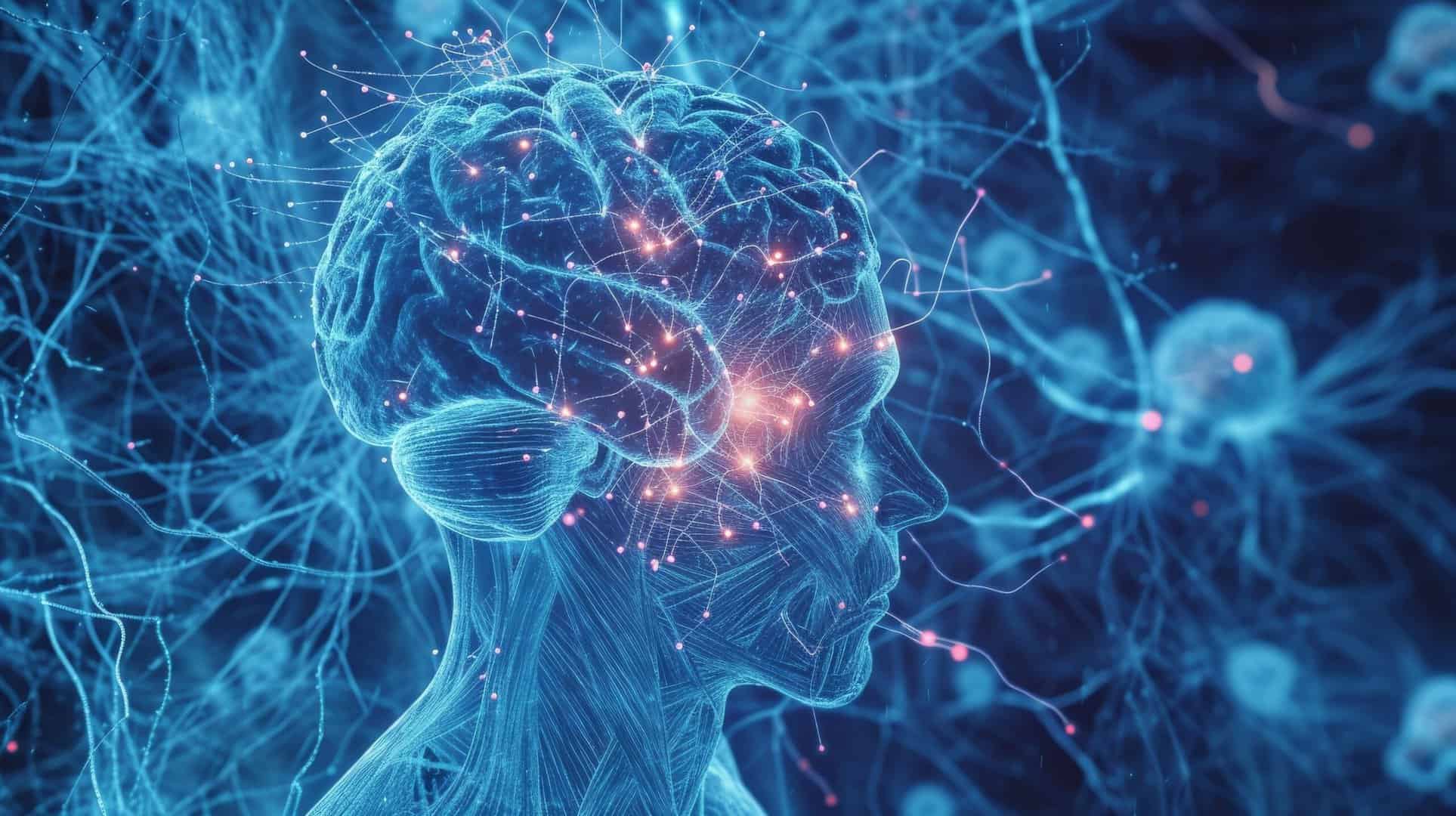
Key Takeaways: Understanding Addiction and the Brain
Before we delve into the depths of how addiction affects the brain and the empowering journey toward recovery, let’s highlight some key takeaways. This section serves as a primer to the complex interplay between addiction and our neural pathways, offering a glimpse into the transformative potential of recovery.
Addiction is more than just a series of unfortunate choices; it’s a profound alteration of the brain’s functioning and structure. Understanding this is crucial for those navigating recovery and their supporters. Here are some key insights to frame our exploration:
- The Brain’s Reward System: Addiction hijacks the brain’s natural reward system, leading to an overemphasis on substance use over essential life activities.
- Dopamine Overdrive: Substances cause a flood of dopamine, the “feel-good” chemical, creating an unsustainable benchmark for pleasure and happiness.
- Tolerance, Dependence, and Withdrawal: These are the stages that mark the progression of addiction, each complicating the journey to sobriety.
- Loss of Control: Addiction weakens the brain’s decision-making areas, making substance use feel less like a choice and more like a necessity.
- Neuroplasticity and Recovery: The brain’s ability to heal and rewire itself is our greatest ally in recovery, offering hope for change and growth.
- Empowering Actions: Simple, proactive steps can support the brain’s recovery process, including utilizing resources like the Life Beyond the Bottle – The Addiction Recovery Workbook. This workbook is a powerful tool in laying the groundwork for a sustained return to health, offering guided exercises and insights to bolster your journey.
Armed with these insights, we’re better positioned to tackle the nuances of addiction’s impact on the brain and the hopeful journey toward recovery. As we move forward, keep these takeaways in mind—they’re not just facts but beacons of understanding illuminating the path from addiction to a life filled with new possibilities. Let’s embark on this enlightening journey together, exploring the science, the struggles, and the strategies that pave the way to Life Beyond the Bottle.
Introduction
Have you ever wondered why quitting drinking feels like an impossible mission? It’s a question that many of us battling addiction have asked ourselves in the quiet, reflective moments of our journey. It often comes with frustration, guilt, and a pervasive feeling of being stuck in a loop. “I don’t know what happened” is a phrase echoed in the halls of recovery meetings, a testament to the mysterious hold addiction has over our actions and willpower.
But here’s a thought that might not have crossed your mind: addiction doesn’t get enough ‘credit’ for its influence on our behaviors. Yes, you heard that right. In the intricate dance of decision-making and impulse control, addiction is like an invisible puppeteer, pulling strings that we didn’t even know were attached to our choices. It’s not a matter of sheer willpower or moral failing; it’s about understanding the biological underpinnings that make quitting a Herculean task.
At our Monday Nashville SMART Recovery meetings, it’s common to hear people recount their experiences with relapse in bewildered tones, saying, “I don’t know what happened.” This phrase isn’t just a marker of confusion or defeat; it’s a signpost pointing to the underestimated power of addiction. Our brains, under the sway of addictive substances, are fundamentally rewired, prioritizing the pursuit of a fleeting high over almost everything else.
So, if you’ve ever found yourself baffled by your actions or the journey to sobriety feels like an uphill battle against an invisible enemy, you’re not alone. This article aims to shed light on the shadowy workings of addiction in our brains. By understanding the science behind the struggle, we can begin to demystify the process, arm ourselves with knowledge, and embark on a path to recovery with renewed hope and clarity.
Let’s dive into the science simplified, explore the inner workings of our minds under the influence, and, most importantly, discover how we can reclaim control and script a new narrative for our lives.
The Brain’s Reward System: Designed for Survival, Hijacked by Addiction

When we talk about the brain’s reward system, we’re diving into an ancient machinery wired deep into our survival instincts. It propels us to seek food when hungry, water when thirsty, and warmth when cold. However, when addiction enters the picture, this system gets hijacked, turning our survival instincts against us.
Imagine the brain’s reward system as the world’s most ancient and efficient motivator, designed to keep us alive and thriving. Now, picture what happens when substances like alcohol or drugs take this system hostage.
- Natural Rewards vs. Artificial Highs: Our reward system was never designed to handle the supernormal stimulation provided by addictive substances. Where natural rewards like food, social interaction, and love release dopamine in moderate amounts, substances trigger an avalanche, creating an unrealistic benchmark for pleasure.
- The Hijacking: Addiction effectively reprograms the brain to prioritize substance use over essential life-sustaining activities. It’s a case of mistaken identity, where the brain confuses survival with chasing a high.
- A Vicious Cycle: The more we feed the addiction, the more the brain demands, setting off a vicious cycle that’s hard to break. It’s not just a craving; it’s the brain screaming for what it thinks it needs to survive.
Recognizing the role of the reward system in addiction gives us a clearer understanding of why quitting feels like an impossible mission. It’s not a lack of willpower; it’s a deeply ingrained survival mechanism gone awry. But here’s the kicker: just as this system can be hijacked, it can also be reclaimed and rewired. This knowledge isn’t just empowering—it’s the first step towards taking back control and redefining what survival truly means to us.
Neurotransmitters on Overdrive: The Role of Dopamine

In the theater of the brain, neurotransmitters are the actors, delivering messages that dictate how we feel, what we crave, and, ultimately, what we do. Dopamine, often heralded as the “feel-good” chemical, plays the lead role in the story of addiction. It’s the brain’s way of rewarding us for behaviors essential to our survival, but in the grip of addiction, dopamine turns into an overwhelming force, driving compulsive substance use.
- Dopamine Overload: Imagine sipping on a cup of coffee and feeling that slight buzz; that’s dopamine at work. Now, amplify that feeling a thousandfold; that’s what addictive substances do. They flood the brain with dopamine, creating an intense rush of pleasure far beyond what any natural reward could offer.
- The Brain’s Reward Threshold: This dopamine overload raises the brain’s threshold for pleasure over time. Every day, joys and accomplishments lose their sparkle because the brain’s reward system has been recalibrated to a new, unattainable standard.
- Chasing the Dragon: Individuals relentlessly pursue that initial high, often described as “chasing the dragon.” But with each use, the dragon flies a bit further away, leaving behind a trail of diminishing returns.
Understanding the role of dopamine in addiction helps to demystify the relentless nature of cravings and the difficulty of finding satisfaction in once-pleasurable activities. It highlights the biochemical chains that addiction forges, chaining the individual to a never-ending quest for a high that can never be recaptured as it was initially experienced.
- Rebalancing Act: The good news? The brain is remarkably resilient. With time and the right strategies, it’s possible to lower this artificially high pleasure threshold, making it possible to again find joy in recovery in life’s simple, everyday aspects. It’s a journey of rebalancing, of relearning to appreciate the world through a lens not distorted by substance-induced dopamine floods.
By understanding the overwhelming role dopamine plays in driving addiction, we can begin to forgive ourselves for the seemingly impossible desire for substances. It’s not a moral failing or a lack of willpower; it’s the brain’s reward system working overtime. And just as it was hijacked, it can be patiently and persistently retrained to embrace a new definition of reward—one that champions recovery, resilience, and the rediscovery of life’s genuine pleasures.
The Downward Spiral: Tolerance, Dependence, and Withdrawal

As addiction takes hold, a person embarks on a treacherous journey down a path marked by tolerance, dependence, and the daunting specter of withdrawal. This progression forms the core of addiction’s grip on the brain, a relentless cycle that can feel impossible to escape.
- Tolerance: It starts with tolerance—the brain’s adaptation to the presence of a substance. Like a coffee drinker who needs an extra cup to feel awake, you find that more of the substance is required over time to achieve the same high. This escalation is the brain’s way of maintaining balance amidst the chemical onslaught.
- Dependence: Along with tolerance comes dependence. The brain begins to rely on the substance to function ‘normally,’ rewiring itself around the artificial highs. Life without the substance? That becomes unthinkable, as the brain’s natural state now includes the substance as a critical component.
- Withdrawal: Should the substance be removed, the house of cards collapses. Withdrawal sets in, an excruciating testimony to the brain’s dependence. It’s not just a craving but a physical and psychological ordeal, with symptoms ranging from discomfort to life-threatening. Withdrawal underscores the brain’s desperate plea for the substance, mistaken by the brain for a lifeline.
This cycle of tolerance, dependence, and withdrawal is a harrowing trap, one that underscores the formidable challenge of breaking free from addiction. It’s not a simple matter of choice or willpower; it’s a profound biological and psychological battle.
- Breaking the Cycle: The path out of this spiral involves understanding it not just as a series of choices but as a biological process that can be addressed and, gradually, reversed. Detoxification, support groups, therapy, and sometimes medication are part of this multifaceted approach, aiming to slowly but surely dismantle the dependence and foster recovery.
Recognizing the cycle of tolerance, dependence, and withdrawal as a fundamental aspect of addiction’s nature allows people and their supporters to approach recovery with empathy, patience, and a strategic plan. It’s about addressing the underlying biological processes, providing the brain with the time and support it needs to heal and adapt to a life free from the substance’s grip.
The Brain in Chains: Loss of Control and Compulsion
At the heart of addiction lies a profound loss of control, a feeling that one’s choices are no longer entirely one’s own. This is not merely a psychological phenomenon but a physical change in the brain’s architecture, specifically within the prefrontal cortex—the area responsible for decision-making, impulse control, and understanding consequences.
- Prefrontal Cortex at the Helm: Think of the prefrontal cortex as the brain’s captain, steering decisions and moderating impulses. Addiction throws this critical area into disarray, weakening its control and leaving primal desires in the driver’s seat.
- The Illusion of Choice: As addiction deepens, the ability to choose not to use becomes compromised. It’s a shift from using substances for pleasure to using them out of necessity. This compulsion is a clear signal of the brain’s rewiring, where substance use is no longer a choice but a command.
- Understanding Compulsion: The compulsion to use, despite knowing the negative consequences, underscores the profound impact of addiction on the brain. It’s a battle between the weakened executive functions and the overpowering urge that addiction has embedded within the brain’s circuitry.
The realization that addiction leads to a loss of control over one’s actions can be both a sobering and liberating understanding. It shifts the narrative from one of personal failure to a recognition of addiction as a complex brain disorder.
- Regaining Control: The journey to recovery involves strategies to strengthen the prefrontal cortex’s role, enhancing decision-making and impulse control. Rehabilitation, cognitive behavioral therapy, and mindfulness practices are tools that can help rebuild the brain’s capacity for control and restore autonomy over one’s choices.
By acknowledging the loss of control as a neurological consequence of addiction, we pave the way for compassion, understanding, and targeted interventions. This acknowledgment is not an excuse but an explanation that highlights the importance of specialized support and strategies in overcoming addiction. It’s about breaking the chains, bit by bit, to reclaim the freedom of choice and the strength to resist compulsion.
Light at the End of the Tunnel: The Brain’s Plasticity and Recovery

Despite the daunting changes addiction wreaks on the brain, there’s a beacon of hope in recovery rooted in one of neuroscience’s most inspiring discoveries: neuroplasticity. This is the brain’s remarkable ability to heal, adapt, and rewire itself throughout life. Understanding neuroplasticity is crucial in the recovery journey, as it offers tangible proof that change is not just possible; it’s biologically grounded.
- Neuroplasticity: The Brain’s Capacity for Change: The same adaptability that allows addiction to alter the brain’s wiring also paves the way for recovery. Through new experiences, behaviors, and learning, the brain can develop pathways that support sobriety and resilience against addiction.
- Healing Takes Time: Just as the descent into addiction doesn’t happen overnight, the process of rewiring the brain for recovery is gradual. It involves consistent effort, patience, and, often, the support of a structured rehabilitation program.
- Strategies for Supporting Neuroplasticity: Engaging in activities promoting brain health and neuroplasticity can accelerate recovery. This includes physical exercise, which boosts brain function and mood; learning new skills or hobbies, which forms new neural connections; and mindfulness practices, which enhance self-awareness and emotional regulation.
The journey towards recovery is illuminated by the understanding that the brain is not permanently damaged by addiction but is instead capable of remarkable regeneration and change.
- Recovery as a Path of Brain Remodeling: Viewing recovery through the lens of neuroplasticity shifts the focus from merely avoiding substances to actively engaging in practices that reshape the brain. This perspective encourages a proactive approach to recovery, where every positive choice and new experience contributes to the brain’s healing process.
By embracing the concept of neuroplasticity, individuals in recovery can find hope in the knowledge that their efforts are supported by their brain’s intrinsic ability to recover. This realization fosters a sense of empowerment and motivation, highlighting that recovery is not just about returning to a pre-addiction state but moving to a healthier, more resilient version of oneself. The light at the end of the tunnel shines brighter with the promise of neuroplasticity, guiding the way toward a future where the chains of addiction are not just broken but transformed into the building blocks of a new, fulfilling life.
Empowering Action: Steps to Support Your Brain’s Recovery
Knowing that recovery is a tangible, physical process of rewiring your brain opens up a world of proactive steps you can take to support this journey. It’s about creating an internal and external environment that nurtures healing and growth. Here are some actionable strategies to consider, emphasizing that every positive choice you make lays down a brick on the path to recovery.
- Prioritize Nutrition: Your brain needs the right fuel to heal. Foods rich in omega-3 fatty acids, antioxidants, and vitamins can support brain health, improve mood, and bolster cognitive function. Think of it as nourishing the ground from which new life can spring.
- Exercise Regularly: Physical activity is a powerhouse of recovery. It releases endorphins that combat stress and depression while stimulating the growth of new neural connections. It’s like watering the garden of your brain, encouraging growth and vitality.
- Establish Healthy Sleep Patterns: Sleep is the unsung hero of brain health, providing the restorative downtime your brain needs to repair and reorganize itself. Ensuring you get enough quality sleep is akin to giving your brain a nightly tune-up.
- Learn New Skills or Hobbies: Engaging in new activities isn’t just a way to fill time; it’s a method of building new brain pathways. Each new skill or hobby carves out a path in your brain, a tangible representation of your growth beyond addiction.
- Practice Mindfulness: Mindfulness and meditation are not just trendy buzzwords but tools that can enhance your brain’s elasticity. They teach you to observe your thoughts and feelings without judgment, strengthening your mind’s control panel, the prefrontal cortex.
- Seek Support: Recovery thrives in community. Connecting with others who are walking the same path provides social support, reduces feelings of isolation, and reinforces your brain’s social circuits, reminding you that you’re not alone on this journey.
- Challenge Negative Thinking: Learning to identify and challenge negative thought patterns is like clearing weeds from your mental garden. Cognitive-behavioral strategies can help you recognize and replace unhelpful thoughts with more constructive ones.
As you embark on these empowering actions to support your brain’s recovery, remember that you’re not alone in this journey. The path to sobriety is one paved with support, knowledge, and the right tools at your disposal. Life Beyond the Bottle – The Addiction Recovery Workbook is one such tool designed to be your companion through the ups and downs of recovery.
Why choose Life Beyond the Bottle?
- Curated Content for Every Stage: Over 600 pages covering every facet of addiction recovery, from the initial steps to mastering sustained sobriety.
- Step-by-Step Guidance: Offers a progressive understanding of addiction, its roots, and strategies for combating its challenges.
- Practical Tools and Exercises: Engage with exercises and tools to face triggers, urges, and cravings, encouraging deep reflection and active problem-solving.
- Inspirational Support: Boosted by custom images and quotes throughout, acting as cheerleaders on your journey.
Digital Availability:
- Accessible as a digital download PDF, perfect for viewing on any device.
- Quick access to specific sections means personalized support is always just a click away, facilitating continuous progress and reflection.
Embark on your recovery journey confidently, knowing that Life Beyond the Bottle – The Addiction Recovery Workbook offers knowledge, empathy, and practical support. Whether you’re taking your first steps towards sobriety or looking to deepen your commitment, this workbook is designed to meet you where you are and guide you to the life beyond addiction you deserve.
Start shaping your recovery today and discover the empowering path ahead with Life Beyond the Bottle. Embrace the comprehensive support and inspiration it provides to craft a fulfilling, sober life that’s within your reach.
Every step you take towards these practices is a step towards reclaiming your life from addiction. It’s important to remember that recovery is a marathon, not a sprint. Each positive action, no matter how small it may seem, contributes to the more extensive process of healing and rewiring your brain.
Embrace these strategies not just as tasks to be checked off but as opportunities to rebuild and redefine yourself. Your brain is on your side, ready to support you in forging a new path forward, free from the shadows of addiction. Your recovery journey becomes not just about abstaining from substances but about actively shaping a life of fulfillment, resilience, and joy.
Conclusion: Your Brain, Your Ally
As we’ve journeyed through the science of addiction and the brain’s incredible capacity for recovery, one message stands out above all: Your brain, once hijacked by addiction, can become your greatest ally in recovery. Understanding the neuroscientific underpinnings of addiction is not just an academic exercise; it’s a roadmap to reclaiming your life, piece by piece, neuron by neuron.
The road to recovery is undoubtedly challenging, marked by moments of doubt, frustration, and temptation. Yet, it’s also a path illuminated by the possibility of change, the promise of healing, and the power of hope. The brain’s plasticity is a testament to our inherent ability to overcome, adapt, and grow beyond our current circumstances.
Embrace the Journey:
- Remember, every step towards sobriety is a step towards rewiring your brain for a brighter, healthier future.
- To navigate this journey confidently, equip yourself with knowledge, understanding, and the right tools, like the Life Beyond the Bottle – The Addiction Recovery Workbook.
- Trust in the process, science, and, most importantly, yourself. Your resilience, combined with a deep understanding of what drives addiction, can unlock doors to a life you may have thought was out of reach.
The Path Forward: Recovery is as much about rediscovering who you are beyond addiction as it is about abstaining from substances. It’s an opportunity to redefine your life and build a future grounded in choice, freedom, and genuine happiness. With its remarkable ability to change, your brain supports you every step of the way, transforming from an obstacle into an instrument of your empowerment.
As you move forward, remember that recovery is not a journey you have to undertake alone. Support is all around you, from resources like Life Beyond the Bottle to communities and individuals who understand your journey. Together, we can navigate the complexities of recovery, leaning on each other for strength, encouragement, and the shared wisdom of our experiences.
Your New Chapter: Let this be the moment you decide that your life beyond addiction is not just a possibility but a promise you make to yourself—a promise of health, happiness, and a life reclaimed. With each day, decision, and challenge met with courage, you’re not just surviving; you’re thriving.
You got this. Your brain, your biology, and your being are all aligned towards your success. Embrace the power within you to change, grow, and live beyond the bottle. The future is not just something that happens to you; it’s something you create, starting now. Welcome to your new life. Welcome to Life Beyond the Bottle.