Key Takeaways
Understanding alcohol addiction doesn’t require a deep dive into complex science. By grasping a few simple concepts about how alcohol affects the brain, you can begin to see why it feels so hard to stop drinking—and how recovery can help.
- Alcohol hijacks the brain’s reward system: Drinking floods the brain with dopamine, making alcohol feel like the best source of pleasure and creating cravings.
- Tolerance and dependence develop over time: The more you drink, the more alcohol your brain needs to function, leading to physical and psychological dependence.
- Addiction rewires decision-making: Alcohol weakens the brain’s ability to think rationally, causing impulsive behaviors and poor choices, even when you want to stop.
- Stress triggers cravings: The addicted brain associates alcohol with relief, making it the go-to response during times of stress.
- The brain can heal through neuroplasticity: With time and effort, the brain can form new pathways, helping you build healthier habits and overcome addiction.
By understanding the brain’s role in addiction, you can gain the knowledge needed to break free. Read the full article to explore the science behind alcohol addiction and how your brain can recover.
Introduction: What is Alcohol Addiction?
Why is it so hard to stop drinking, even when we know it’s damaging our health, relationships, and careers? The answer lies in the brain. Alcohol doesn’t just make us feel good; it actually changes how our brain works, hijacking its reward system and rewiring how we handle stress, pleasure, and decision-making.
But you don’t need a degree in neuroscience to understand this process. We can break down the science behind alcohol addiction into simple, easy-to-understand concepts that reveal why alcohol becomes so difficult to give up.
In this article, we’ll explore how alcohol affects the brain, why it leads to addiction, and how the brain heals during recovery. You don’t need to be a scientist to understand what’s happening in your brain—you just need the right explanation.
The Brain’s Reward System: Why Alcohol Feels So Good
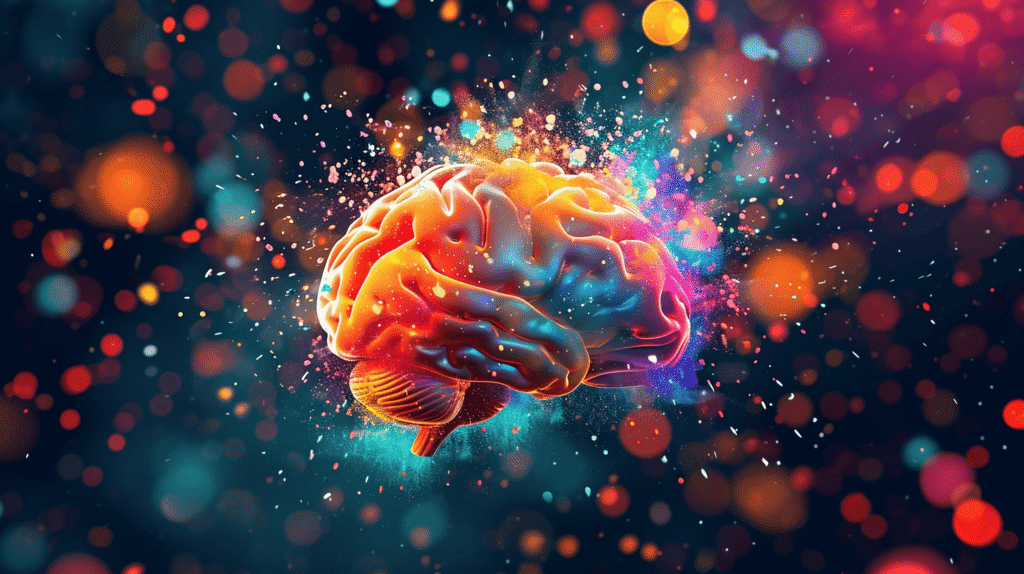
At the heart of alcohol addiction is the brain’s reward system. When you drink, your brain releases a chemical called dopamine, which creates feelings of pleasure. The brain loves this dopamine rush and quickly learns to associate alcohol with feeling good.
In a healthy brain, the reward system helps reinforce activities that promote survival, like eating or socializing. But alcohol hijacks this system, delivering an intense dopamine surge that outshines the rewards from everyday activities. Over time, your brain starts to prioritize alcohol as a top source of pleasure.
Think of dopamine as a reward sticker. Normally, the brain gives out these stickers for things like eating a delicious meal or spending time with friends. But when you drink, alcohol hands out extra stickers, tricking the brain into thinking it’s more rewarding than anything else.
As this process continues, your brain starts craving alcohol more often, believing it’s essential for pleasure. That’s why drinking feels so good at first—and why it becomes so hard to resist over time.
Tolerance and Dependence: The Brain’s Need for More
As you keep drinking, your brain starts to build tolerance, which means the brain gets used to the regular dopamine hits from alcohol and adjusts to them. The drinks that used to make you feel good now barely have an effect, so you need more alcohol to get the same pleasure.
This cycle keeps pushing the brain to expect larger amounts of alcohol. Tolerance isn’t just about needing more to feel drunk—it’s about your brain adapting to the constant presence of alcohol and raising the bar for what it considers “normal.”
Dependence soon follows. Your brain, which once released dopamine on its own, now relies on alcohol to feel any pleasure or even to function. Without alcohol, your brain struggles, leading to withdrawal symptoms like anxiety, irritability, shaking, or nausea.
Think of it like this: if your brain were an engine, alcohol would become the fuel it depends on to run smoothly. When you stop drinking, the engine sputters, and your brain cries out for more alcohol to keep running.
This is why quitting becomes so hard. Your brain not only craves alcohol for pleasure but also needs it to feel normal.
How Addiction Changes Decision-Making
Alcohol doesn’t just affect how you feel—it changes how you think and make decisions. This happens because alcohol hijacks the prefrontal cortex, the part of your brain responsible for decision-making, impulse control, and rational thinking.
In a healthy brain, the prefrontal cortex helps you weigh risks and rewards, guiding you to make thoughtful choices. But when alcohol takes over, it weakens this part of the brain. You lose the ability to think long-term or resist cravings. Instead, alcohol becomes the top priority, and rational thinking takes a back seat.
Imagine your prefrontal cortex as the driver of a car. Normally, it navigates life’s twists and turns with ease. But when alcohol hijacks the brain, it takes the wheel. Your decision-making gets pushed into the passenger seat, and suddenly, the brain steers you straight into destructive behaviors—even when you know better.
This is why addiction feels so powerful. Your brain, conditioned by alcohol, overrides your ability to make logical choices, pushing you to drink even when you want to stop.
Cravings and Stress: The Brain’s Shortcut to Coping
Stress plays a huge role in alcohol addiction. When you feel stressed, your brain naturally looks for ways to cope and relieve the pressure. In an addicted brain, alcohol becomes the go-to solution.
Over time, your brain learns that alcohol provides quick relief from stress. Instead of relying on healthier coping mechanisms, the brain shortcuts straight to alcohol because it associates drinking with immediate comfort. Whether it’s work pressure, family problems, or even a moment of celebration, the brain triggers cravings for alcohol to manage those intense emotions.
Think of your brain’s stress response like a fire alarm. In a healthy brain, the alarm goes off, and you reach for water to put out the flames. But in an addicted brain, the alarm pushes you toward alcohol instead. Your brain believes that drinking will “put out the fire,” even though it’s actually adding fuel to the problem.
This is why cravings intensify during tough times. The brain has been rewired to treat alcohol as the best way to handle stress, making it harder to break the cycle.
Withdrawal: Why Quitting Drinking Feels So Hard
When you try to quit drinking, the brain reacts to the sudden absence of alcohol with withdrawal symptoms. After relying on alcohol for so long, your brain has adjusted its chemistry to expect it. Without alcohol, everything feels off, and your body begins to struggle.
Withdrawal symptoms can range from mild anxiety and irritability to more severe effects like nausea, sweating, shaking, and insomnia. In some cases, withdrawal can even be dangerous, causing seizures or other medical complications. These symptoms happen because the brain has become so dependent on alcohol that it can’t function normally without it.
Think of your brain like an engine that’s been running on alcohol as its fuel. When you stop drinking, the engine sputters and stalls, struggling to switch to a healthier fuel source. The brain needs time to readjust, but in the short term, withdrawal makes the idea of quitting feel unbearable.
This is why so many people continue drinking despite wanting to stop. The brain isn’t just asking for alcohol—it’s screaming for it to avoid the discomfort of withdrawal.
Rewiring the Brain: Neuroplasticity and Recovery
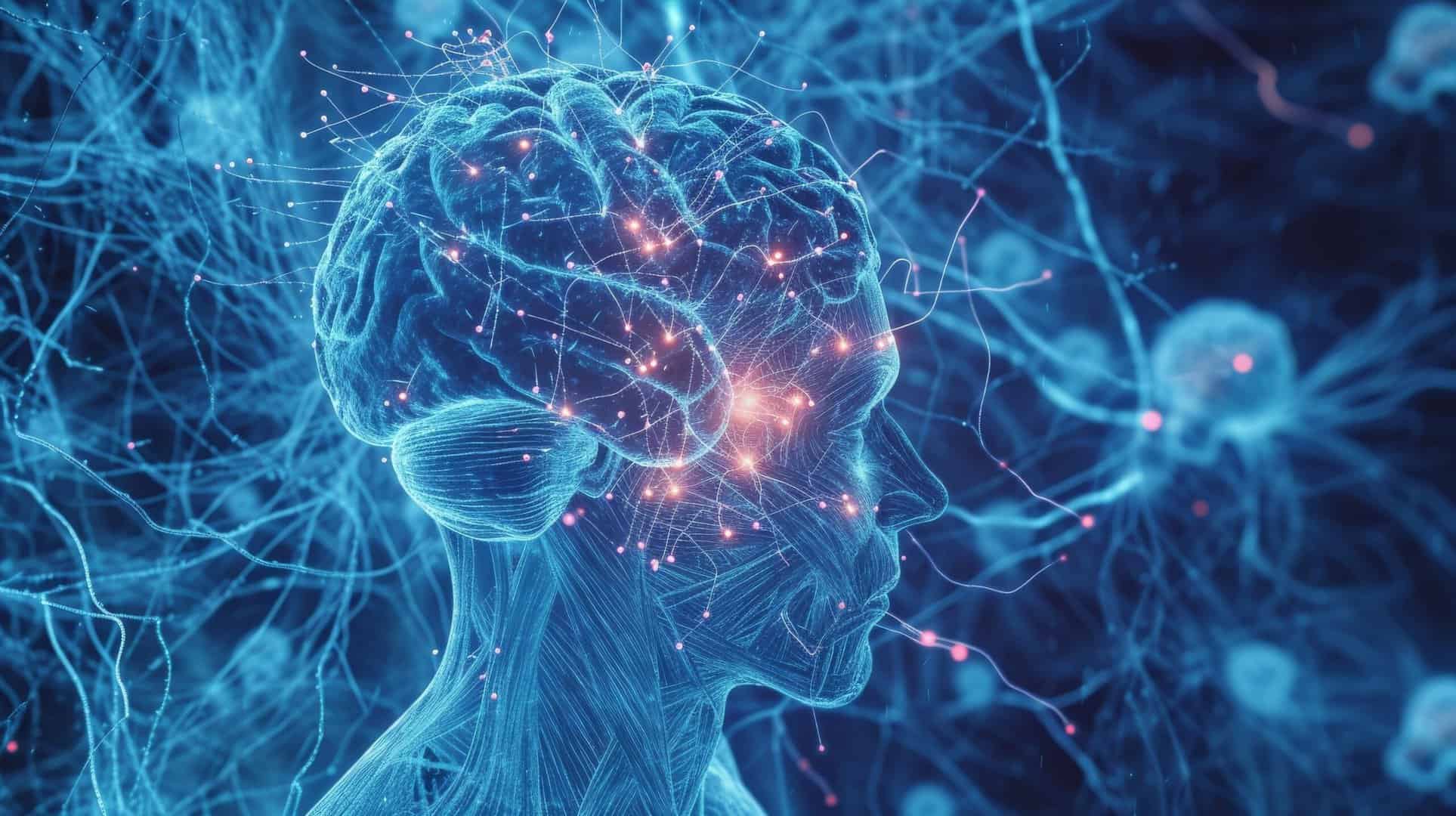
The good news is that while alcohol rewires the brain for addiction, recovery can help rewire it back. This process is called neuroplasticity, the brain’s ability to form new connections and adapt. Over time, the brain can heal itself with consistent effort, creating healthier pathways that don’t rely on alcohol.
In recovery, the brain slowly starts to adjust. The prefrontal cortex—the decision-making part of the brain—regains its strength, helping you make better choices. The reward system, which once craved alcohol, begins to find pleasure in healthier activities like exercise, spending time with loved ones, or pursuing hobbies.
Think of neuroplasticity as carving new trails through a forest. Alcohol addiction created a well-worn path leading directly to drinking, but in recovery, you start to build new trails. Each day of sobriety helps strengthen these new paths, and over time, they become your brain’s go-to routes.
The key to recovery is patience. The brain needs time to heal and rewire, but with the right support, it’s possible to reverse much of the damage caused by alcohol addiction.
Conclusion: Simplifying the Science of Alcohol Addiction
Alcohol addiction isn’t about willpower or weakness—it’s about how alcohol rewires the brain. Understanding the science behind addiction helps us see that this is a battle happening inside our minds, not just our hearts. Alcohol hijacks the brain’s reward system, decision-making, and stress responses, making it feel like it is impossible to quit.
But the brain isn’t stuck. With time and the right approach, the brain can heal itself. Neuroplasticity offers hope, showing us that recovery isn’t just about stopping drinking—it’s about helping the brain build new, healthier pathways that lead to lasting change.
By understanding how alcohol addiction works on a biological level, we can shift the focus from shame to healing. The more we understand the science, the more power we have to overcome it.